How to Organize Your Study Materials: Staying Organized and Efficient
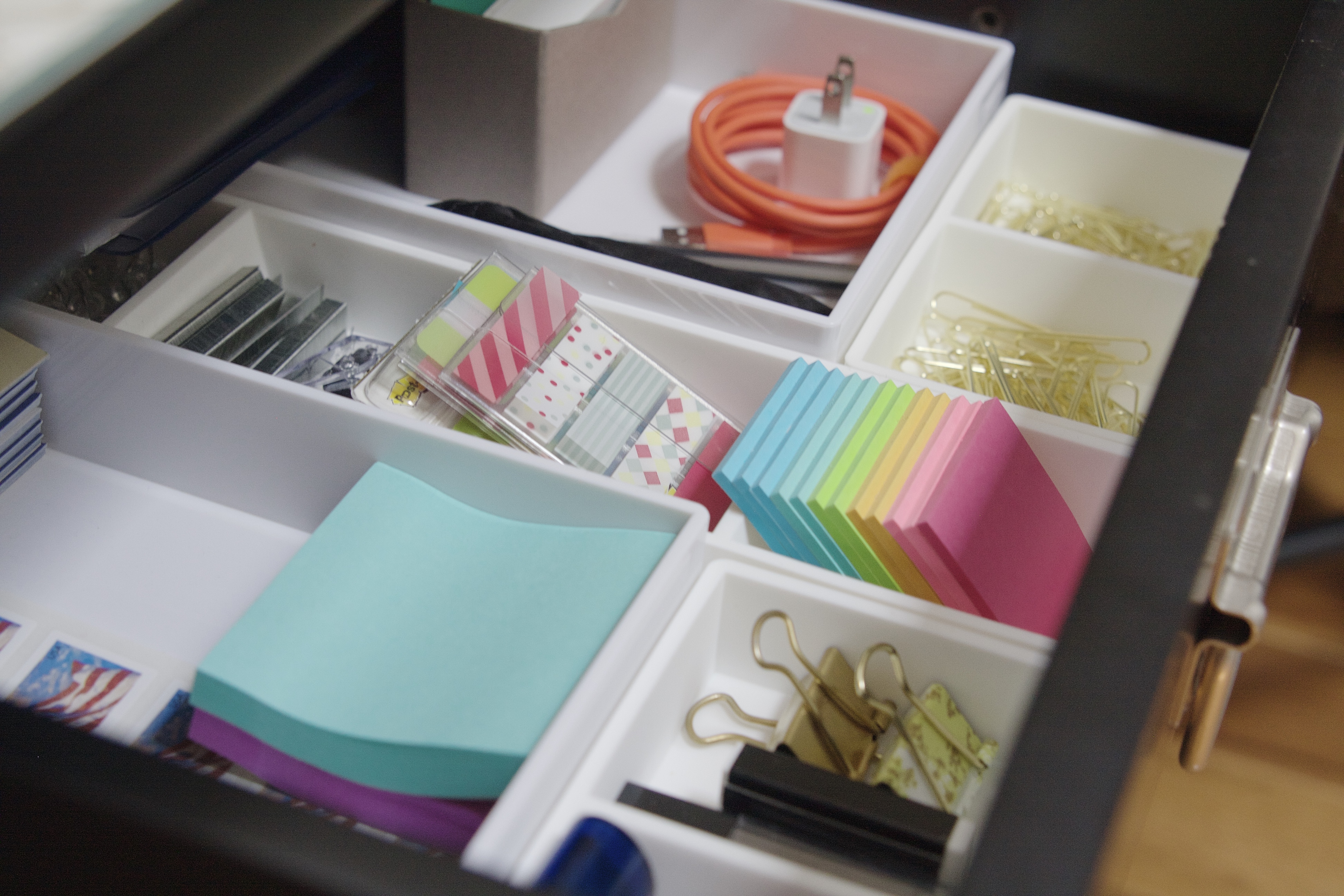
Unlocking Academic Success: A Guide to Organizing Your Study Materials
Hey there, fellow students! Ever feel like your study space is less of a sanctuary and more of a chaotic jungle? You're not alone! We've all been there, buried under a mountain of notes, textbooks, and random scraps of paper. It's a universal struggle – the quest to tame the academic beast and, you know, actually learn something in the process. Imagine searching desperately for that one crucial note right before an exam, only to find a recipe for Aunt Mildred's questionable casserole instead. Fun times, right? Or picture this: you’re finally in the zone, ready to tackle that mountain of readings, and BAM! You can’t find the right textbook. The frustration is real, and it's a creativity killer. But fear not, my friends! Because today, we’re diving deep into the art of organizing your study materials – not just for the sake of tidiness, but to actually boost your efficiency, reduce stress, and unlock your academic potential. This isn’t about becoming a minimalist zen master (unless that's your thing, in which case, go for it!), it’s about creating a system that works foryou. A system that allows you to find what you need, when you need it, so you can focus on what truly matters: learning and acing those exams! So, grab your favorite beverage, clear a small space amidst the chaos, and let's get started on transforming your study space from a disaster zone into an organized oasis. Are you ready to ditch the stress and embrace a more organized, efficient, and ultimately successful academic journey? Let’s do this!
The Importance of Organization: Why Bother?
Okay, before we dive into the nitty-gritty details of how to organize your study materials, let's address the elephant in the room: why bother? I mean, isn't it enough to just cram everything into a backpack and hope for the best? Well, my friend, while that approachmightwork in the short term, it's not exactly a recipe for long-term success. Think of it this way: your brain is like a computer. And just like a computer, it needs a well-organized system to function efficiently. When your study materials are scattered all over the place, it's like trying to run a complex program on a computer with a fragmented hard drive. It's slow, inefficient, and prone to crashing (aka, exam-induced panic attacks!).
But the benefits of organization go far beyond just preventing last-minute meltdowns. A well-organized study space can actually improve your focus, reduce stress, and boost your overall productivity. According to a study by the National Association of Professional Organizers, people who are organized are more likely to be on time, meet deadlines, and feel less stressed. That's because when you're not constantly searching for things, you can actually concentrate on the task at hand. Plus, let's be honest, a clean and organized space is just more aesthetically pleasing. And when you're surrounded by a visually appealing environment, you're more likely to feel motivated and inspired.
Consider this scenario: you're working on a research paper, and you need to cite a specific article. If your notes are a jumbled mess, you could spend hours searching for that one piece of information. But if your notes are organized and easily accessible, you can find what you need in a matter of minutes. That's time saved, stress reduced, and progress made. And let's not forget the psychological benefits. When you're in control of your study space, you feel more in control of your academic life. And that sense of control can be a powerful antidote to the anxiety and overwhelm that often accompany the academic journey.
In essence, organizing your study materials isn't just about tidying up; it's about investing in your success. It's about creating a system that supports your learning style, reduces stress, and helps you achieve your academic goals. So, are you ready to reap the rewards of an organized study space? Let's move on to the practical steps!
Getting Started: Assessing Your Current System (or Lack Thereof)
Alright, before we start implementing any fancy organizational strategies, let's take a good, hard look at your current system (or, more likely, lack thereof). This is crucial because what works for one person might not work for another. We're all unique snowflakes with our own learning styles, preferences, and quirks. So, the first step is to understand your own needs and challenges.
Start by taking stock of your study materials. What do you have? Textbooks? Notebooks? Loose papers? Digital files? Sticky notes galore? Make a comprehensive list of everything you use for studying. Be honest with yourself – no judgment here! Once you have a list, think about how you currently use these materials. How do you take notes? Where do you store your textbooks? How do you organize your digital files? Are you a visual learner who prefers color-coded notes? Or are you more of an auditory learner who relies on recordings and podcasts?
Next, identify the pain points. What are the biggest challenges you face when it comes to organizing your study materials? Do you struggle to find what you need when you need it? Do you feel overwhelmed by the sheer volume of information? Do you constantly lose important notes or assignments? Maybe you're drowning in a sea of digital files, unsure of where anything is located. Or perhaps you’re spending too much time tidying up your physical space instead of actually studying.
Be specific about these challenges. For example, instead of saying "I'm disorganized," try saying "I have trouble finding my notes for my biology class." The more specific you are, the easier it will be to identify solutions. It’s also important to consider your learning environment. Do you study at home? In the library? At a coffee shop? Your organizational strategies will need to adapt to your specific study locations. If you frequently study on the go, you’ll need a system that's portable and easy to manage.
Don't be afraid to experiment and try different approaches. There's no one-size-fits-all solution when it comes to organization. The key is to find a system that works for you, your learning style, and your specific needs. Think of this initial assessment as a diagnostic test. It's a chance to identify your strengths, weaknesses, and areas for improvement. And once you have a clear understanding of your current system, you'll be well-equipped to create a more organized, efficient, and effective study space.
Practical Strategies for Organizing Your Study Materials
Alright, friends, now that we've assessed our current situation, it's time to get down to the practical stuff. Here are some tried-and-true strategies for organizing your study materials, designed to help you stay focused, reduce stress, and boost your academic performance:
•Conquer the Paper Mountain:Let’s face it, physical papers can quickly become a huge source of clutter.
Invest in a good quality binder or filing system. Label dividers clearly by subject or topic.
Color-code your subjects. For example, math could be blue, history could be green, and so on. This makes it easy to quickly locate the materials you need.
Use hole punchers religiously. Don't let loose papers accumulate – punch them and file them immediately.
Purge regularly! At the end of each week (or month), go through your papers and get rid of anything you no longer need.
Consider scanning important documents and saving them digitally. This reduces paper clutter and creates a backup of your notes. Services like Evernote Scannable or even your phone's camera can be used for this.
•Digital Domination:Digital clutter can be just as overwhelming as physical clutter.
Create a clear folder structure on your computer or cloud storage. Organize folders by subject, then by topic or assignment.
Use consistent naming conventions for your files. For example, "Biology_Lecture Notes_Chapter3.pdf" is much more helpful than "Bio Notes.pdf."
Utilize cloud storage services like Google Drive, Dropbox, or One Drive. This allows you to access your files from anywhere and creates a backup in case of computer problems.
Consider using a note-taking app like Evernote, One Note, or Notion. These apps allow you to organize your notes, create to-do lists, and even collaborate with classmates.
Regularly back up your files! You don't want to lose all your hard work due to a computer crash.
•Note-Taking Nirvana:Effective note-taking is crucial for learning and retaining information.
Use a consistent note-taking system. The Cornell method, outlining, or mind mapping are all popular options. Choose a method that works for your learning style.
Date and label all your notes. This makes it easy to find specific information later.
Use abbreviations and symbols to speed up the note-taking process. Just make sure you understand what they mean later!
Review your notes regularly. This helps to reinforce the information in your memory.
Don't just transcribe what the professor says. Actively listen and summarize the key points in your own words.
•Textbook Taming:Textbooks can be bulky and difficult to manage.
Cover your textbooks to protect them from wear and tear.
Highlight or underline important passages. But be careful not to overdo it! Focus on the key concepts and definitions.
Use sticky notes to mark important pages or sections.
Create a table of contents or index for each textbook. This helps you quickly find the information you need.
Consider renting or buying digital textbooks. This reduces physical clutter and makes it easier to search for specific information.
•Time Management Triumph:Organization isn't just about physical or digital clutter; it's also about managing your time effectively.
Create a study schedule. Allocate specific times for studying each subject.
Break down large tasks into smaller, more manageable chunks.
Use a planner or calendar to keep track of assignments, deadlines, and exams.
Prioritize your tasks. Focus on the most important or urgent assignments first.
Take regular breaks! Studying for hours on end without a break can lead to burnout.
•The Power of Color: Use color-coding to visually organize your materials.
Assign a different color to each subject.
Use colored highlighters, pens, and sticky notes to organize your notes and textbooks.
Color-code your digital folders and files.
Create color-coded to-do lists.
This visual system helps you quickly identify and retrieve the materials you need.
•Location, Location, Location:Designate specific areas for different activities.
Create a dedicated study space that is free from distractions.
Keep your study space clean and organized.
Store your study materials in a convenient location.
Designate separate areas for reading, writing, and working on the computer.
This helps you focus and stay on task.
•The Kon Mari Method for Studying:Apply Marie Kondo’s principles to your study space.
Ask yourself if each item "sparks joy." If not, get rid of it. (Okay, maybe textbooks don’t spark joy, but you get the idea.)
Thank your study materials for their service before discarding them. (Yes, even that dreaded calculus textbook.)
Store your study materials in a way that is visually appealing and easy to access.
This method helps you declutter your study space and create a more positive learning environment.
Remember, the key is to find a system that works for you and your learning style. Don't be afraid to experiment and try different approaches until you find what works best. And most importantly, be patient with yourself. It takes time to develop good organizational habits.
Maintaining Your Organized Oasis: Staying on Track
Okay, so you've successfully organized your study materials. Congratulations! But the work doesn't stop there. Maintaining an organized study space is an ongoing process. It's like tending a garden – you need to water it, weed it, and prune it regularly to keep it thriving. If you let it go, it will quickly revert back to its original state of chaos.
The key to maintaining an organized study space is to make it a habit. Incorporate organizational tasks into your daily or weekly routine. For example, spend 15 minutes each evening tidying up your desk and filing away any loose papers. Or, set aside an hour each weekend to review your notes and organize your digital files. Consistency is key! The more consistently you maintain your system, the less time and effort it will take in the long run.
Regularly review and refine your system. What's working? What's not working? Are there any areas that need improvement? Don't be afraid to make adjustments to your system as your needs change. Your learning style, your course load, and your study environment will all evolve over time. So, your organizational strategies need to evolve as well.
It's also important to be realistic about your goals. Don't try to be perfect. No one is perfectly organized all the time. There will be days when you're too busy or too tired to maintain your system. And that's okay! Just don't let it derail you completely. Get back on track as soon as you can. Enlist the help of a friend or family member. Sometimes, having an outside perspective can be helpful. Ask a friend to help you declutter your study space or review your organizational system. They may be able to offer suggestions or identify areas for improvement that you haven't noticed.
Reward yourself for your efforts. Maintaining an organized study space is hard work. So, don't forget to reward yourself for your accomplishments. Treat yourself to a coffee, watch your favorite show, or do something else that you enjoy. This will help you stay motivated and make the process more enjoyable.
Remember, staying organized isn't just about tidiness; it's about creating a system that supports your learning and helps you achieve your academic goals. So, invest the time and effort to maintain your organized oasis, and you'll reap the rewards in the form of reduced stress, improved focus, and increased academic success.
Common Pitfalls to Avoid
Even with the best intentions, it's easy to fall into common traps that can sabotage your organizational efforts. Here are a few pitfalls to watch out for:
•Procrastination:Putting off organizational tasks until the last minute. This leads to a build-up of clutter and makes the task even more daunting.
•Perfectionism:Trying to create a perfect system that is unattainable. This can lead to frustration and burnout.
•Over-organization:Spending too much time organizing and not enough time studying. Remember, the goal is to improve your efficiency, not to become an organization expert.
•Hoarding:Holding onto study materials that you no longer need. This leads to clutter and makes it difficult to find what you're looking for.
•Lack of a System:Not having a clear organizational system in place. This leads to chaos and confusion.
•Inconsistency:Not maintaining your system consistently. This allows clutter to accumulate and makes it difficult to stay organized.
•Ignoring Your Learning Style:Choosing an organizational system that doesn't align with your learning style. This makes it difficult to use the system effectively.
•Not Seeking Help:Being afraid to ask for help from friends, family, or professional organizers. Sometimes, an outside perspective can be invaluable.
By being aware of these common pitfalls, you can avoid them and stay on track with your organizational goals.
Tools and Resources to Help You Stay Organized
In today's digital age, there's a plethora of tools and resources available to help you stay organized. Here are a few of my favorites:
•Note-Taking Apps:Evernote, One Note, Notion, Google Keep
•Task Management Apps:Todoist, Trello, Asana
•Calendar Apps:Google Calendar, Outlook Calendar, Apple Calendar
•Cloud Storage Services:Google Drive, Dropbox, One Drive
•Scanning Apps:Evernote Scannable, Adobe Scan
•Citation Management Tools:Zotero, Mendeley
•Website Blockers:Freedom, Stay Focusd
Experiment with different tools and resources to find what works best for you. Don't be afraid to try new things and adapt your approach as your needs change. Online platforms like You Tube and educational blogs offer tutorials and tips on using these tools effectively.
Remember, the goal isn't to use every tool available, but to find the tools that will genuinely help you stay organized and focused on your studies. Use them intentionally and strategically to maximize their benefits.
Questions and Answers about Organizing Study Materials
Here are some frequently asked questions about organizing study materials:
•Q: How do I stay motivated to keep my study space organized?•
A: Break down the task into smaller, manageable steps. Reward yourself for completing each step. Enlist the help of a friend or study buddy to stay accountable. Remember the benefits of being organized: reduced stress, improved focus, and increased productivity.
•Q: What if I'm naturally a messy person? Can I still be organized?•
A: Absolutely! Organization isn't about being perfect; it's about finding a system that works foryou, even if it's not perfectly tidy. Focus on creating a functional system that allows you to find what you need when you need it. Start small and gradually build better habits.
•Q: How do I deal with digital clutter?•
A: Create a clear folder structure on your computer and in the cloud. Use consistent naming conventions for your files. Regularly delete or archive files that you no longer need. Utilize cloud storage services to back up your files and access them from anywhere.
•Q: What's the best way to organize notes from different classes?•
A: Use separate notebooks or binders for each class. Color-code your notes by subject. Use a consistent note-taking system. Review your notes regularly and summarize the key points. Consider using a note-taking app like Evernote or One Note to organize your digital notes.
I hope these answers are helpful. Remember, organization is a journey, not a destination. Be patient with yourself and keep experimenting until you find a system that works for you.
So, there you have it, my friends! A comprehensive guide to organizing your study materials. We've covered everything from assessing your current system to implementing practical strategies to maintaining your organized oasis. Remember, the key to success is to find a system that works for you, your learning style, and your specific needs. It's not about being perfect; it's about creating a functional and efficient study space that helps you focus, reduce stress, and achieve your academic goals.
Now, it's time to take action! Choose one or two strategies from this guide and implement them in your study space today. Don't try to do everything at once. Start small and gradually build better habits. And remember, consistency is key! The more consistently you maintain your system, the easier it will become.
I challenge you to spend just 15 minutes each day this week organizing your study materials. You'll be amazed at the difference it makes. Trust me, your future self will thank you. And as you embark on this organizational journey, remember this: You are capable of achieving great things! With a little planning, effort, and organization, you can conquer any academic challenge that comes your way. Now go forth and create your organized oasis! What one organizational tip are you going to implement today?

Post a Comment for "How to Organize Your Study Materials: Staying Organized and Efficient"
Post a Comment