The Importance of Ergonomics for Students: Creating a Comfortable Workspace
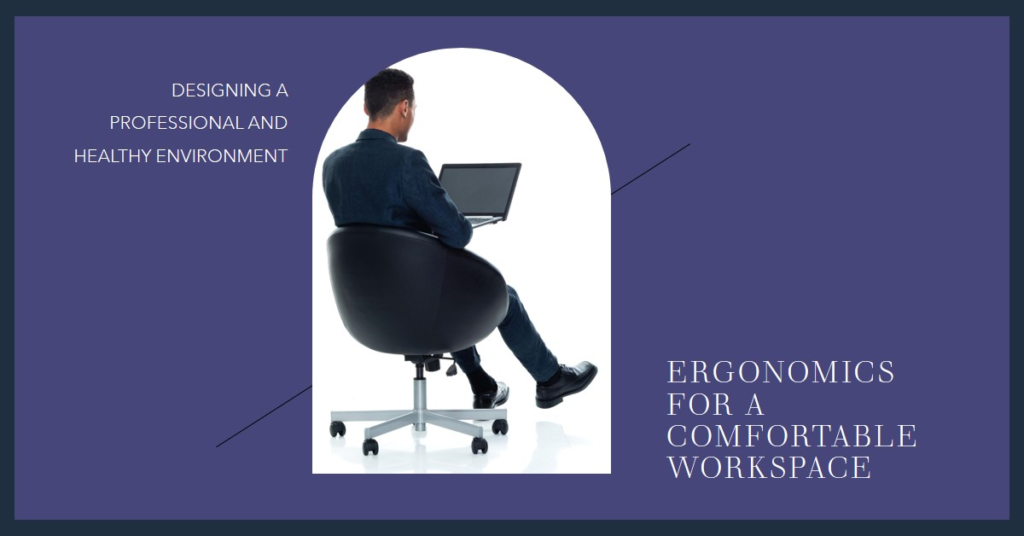
Crafting Your Comfort Zone: A Student's Guide to Ergonomic Bliss
Hey there, future world-changers! Let's be real for a second. How many hours a day do you spend hunched over your laptop, textbooks, or furiously scribbling notes? Probably a lot, right? We're all guilty of it – sacrificing our posture at the altar of deadlines. You might not think about it much, but that neck pain, that nagging backache, that wrist tingling? That's your body screaming for help! Think of it like this: you wouldn't run a marathon in flip-flops, would you? So why are you treating your body, your most valuable asset, with the same lack of consideration when you're putting it through the endurance test of studying?
We've all been there. You're in the zone, cranking out an essay the night before it's due (no judgment!), fueled by caffeine and sheer willpower. Suddenly, you realize your shoulders are practically touching your ears, your lower back feels like it's staging a rebellion, and your eyes are protesting with the ferocity of a thousand suns. You try to stretch, but it's like waking up a grumpy dragon – everything justaches. It's like your body is sending you a strongly worded email labeled "URGENT: POSTURE EMERGENCY!"
And it's not just about comfort in the moment. Ignoring these aches and pains can lead to some serious long-term problems. We're talking chronic pain, carpal tunnel syndrome, even headaches that seem to have taken up permanent residence behind your eyes. Not exactly conducive to acing that exam, is it? Let's face it, as students, we're practically professional sitters. We sit in lectures, we sit in the library, we sit at our desks, and we sit some more. It's a sedentary lifestyle on steroids, and it's wreaking havoc on our bodies. But here's the good news: there's a solution! It's called ergonomics, and it's about designing your workspace to fityou, not the other way around. It's about creating a comfortable and efficient environment that supports your body and prevents those pesky aches and pains from turning into full-blown health issues.
Think of your workspace as your cockpit. You're the pilot, and you need everything within easy reach, adjusted perfectly to your body's unique dimensions. A well-designed cockpit ensures the pilot can fly safely and efficiently. Similarly, an ergonomic workspace ensures you can study comfortably and productively, without sacrificing your well-being.
So, how do you transform your chaotic study zone into an ergonomic oasis? It's not as daunting as it sounds, and it doesn't require a fancy office makeover. It's about making small, mindful adjustments that can make a HUGE difference in your comfort and health. Are you ready to ditch the discomfort and embrace a world of ergonomic bliss? Keep reading to discover simple, effective strategies to create a workspace that worksforyou, not against you. Trust me, your body (and your grades) will thank you for it!
The Importance of Ergonomics for Students: Creating a Comfortable Workspace
For students, creating a comfortable and ergonomic workspace is essential not only for immediate comfort but also for long-term health and academic success. Let’s explore how to set up an ideal study environment that supports your physical and mental well-being. It's not just about looking good; it's aboutfeelinggood and performing at your best.
•The Foundation:Your Chair
Let’s start with the throne – your chair. This isn't just any old seat; it's your command center. Find a chair with good lumbar support. Your lower back should be properly supported, maintaining its natural curve. Imagine your spine saying, "Ah, finally! Some support!"
• Adjustability is key. Your chair should allow you to adjust the height, backrest, and armrests. Think of it as tailoring your chair to fit you perfectly. Your feet should be flat on the floor or supported by a footrest. No dangling feet allowed – unless you’re channeling your inner child, but save that for playtime.
• If your budget allows, invest in an ergonomic chair designed specifically for prolonged sitting. These chairs often come with advanced features like adjustable lumbar support, breathable mesh backs, and contoured seat cushions. It’s like giving your backside a luxurious spa day, every day.
•*The All-Important Desk Setup
Your desk is the stage for your academic performance. Make sure it's at the right height. Your elbows should be at a 90-degree angle when typing. Think of it as your arms giving you a perfect right angle salute.
• Keep your monitor at arm’s length and at eye level. Imagine a straight line from your eyes to the top of the screen. This prevents you from hunching forward, saving your neck from unnecessary strain. Get a monitor stand if needed. It's a small investment that can make a world of difference. No more turtle neck!
• Arrange your frequently used items within easy reach. Keep your pens, notebooks, and other essentials close by to minimize stretching and twisting. Think of it as creating your own personal convenience store on your desk. Everything you need, right at your fingertips.
•Keyboard and Mouse Positioning
Your keyboard and mouse are your tools of the trade. Keep your keyboard directly in front of you. Your wrists should be straight and relaxed while typing. No awkward angles or contortions. A neutral wrist position is crucial to prevent carpal tunnel syndrome.
• Consider using an ergonomic keyboard and mouse designed to support your wrists and hands. These devices often feature split designs, contoured shapes, and cushioned wrist rests. It’s like giving your hands a gentle hug while you work. There are even vertical mice available. These allow you to use the mouse in a more natural, handshake position, which can significantly reduce wrist strain. This can be a game-changer if you spend long hours mousing around.
• Use a mouse pad with a wrist rest to provide additional support and cushioning. It’s a small investment that can make a big difference in your comfort. Regular breaks are crucial. Stand up, stretch, and walk around every 20-30 minutes. It’s like hitting the reset button on your body. Set a timer if you need to remind yourself. Your body will thank you.
•*Lighting and Environment
Good lighting is essential for reducing eye strain. Position your desk so that you have natural light. But avoid glare on your screen. Think of it as creating the perfect balance between sunlight and screen visibility.
• Use an adjustable desk lamp to provide additional lighting as needed. Choose a lamp with a flexible arm so you can direct the light where you need it most. It’s like having your own personal spotlight for studying.
• Keep your workspace tidy and clutter-free. A clean workspace promotes focus and reduces stress. Imagine a clutter-free desk as a blank canvas for your thoughts. Plus, you won't have to spend precious study time searching for that elusive pen or notebook.
•Laptop Ergonomics:The Mobile Challenge
Laptops are convenient, but they can be ergonomically challenging. Use a laptop stand to raise the screen to eye level. This will prevent you from hunching over, saving your neck from strain. Think of it as giving your laptop a little boost.
• Use an external keyboard and mouse when working on your laptop for extended periods. This allows you to maintain a proper posture and avoid the cramped conditions of the laptop's built-in keyboard and trackpad. It's like giving your hands and wrists some breathing room.
• Take frequent breaks to stretch and move around. Laptop use often leads to prolonged sitting, so it's crucial to break up the monotony with regular breaks. Set a timer to remind yourself to get up and move.
•Ergonomic Accessories:Small Investments, Big Impact
Investing in ergonomic accessories can significantly improve your comfort and productivity. Consider using a footrest to support your feet and improve circulation. A footrest can help reduce pressure on your lower back and improve your overall posture. It’s like giving your feet a comfortable place to rest after a long day.
• Use a document holder to keep your papers at eye level. This reduces neck strain by preventing you from constantly looking down at your documents. It's like having a personal assistant hold your notes for you.
• Consider using a headset or microphone for online classes and meetings. This frees up your hands and allows you to maintain a better posture. Plus, you’ll sound like a true professional.
•Mindfulness and Posture Awareness
Pay attention to your posture throughout the day. Consciously correct any slouching or hunching. Think of it as giving yourself a mental posture check every now and then. Practice good posture even when you’re not at your desk. Stand tall, sit up straight, and walk with confidence. It’s like practicing for a royal parade.
• Set reminders to take breaks and stretch. Use a timer or app to prompt you to move around and stretch every 20-30 minutes. Your body will thank you for it.
• Incorporate simple stretches into your daily routine. Neck rolls, shoulder shrugs, and wrist rotations can help relieve tension and improve circulation. It’s like giving your muscles a mini-massage throughout the day.
By implementing these strategies, you can create a comfortable and ergonomic workspace that supports your physical and mental well-being, leading to improved academic performance and long-term health. Remember, small changes can make a big difference. Prioritize your comfort, and your body (and grades) will thank you for it! Now go forth and conquer those studies, ergonomically!
FAQs:Ergonomics for Students
Let's tackle some common questions about ergonomics and how they apply to your student life. We're here to make this as clear and helpful as possible.
• Question: I'm on a tight budget. Do I really need to buy expensive ergonomic equipment?
Answer: Not necessarily! While fancy ergonomic chairs and accessories can be great, you can achieve significant improvements with simple and affordable adjustments. Use textbooks or sturdy boxes to elevate your monitor, find a comfortable cushion for your chair, and take frequent breaks to stretch. The key is to prioritize proper posture and movement, which doesn't always require a hefty investment. It's about workingsmarter, not necessarilyharder(on your wallet!).
• Question: I move around a lot to study - library, coffee shop, home. How can I maintain good ergonomics on the go?
Answer: That's a common challenge! Invest in a portable laptop stand to raise your screen to eye level wherever you are. Pack a small, lightweight external keyboard and mouse for comfortable typing. And most importantly, be mindful of your posture, even in less-than-ideal environments. Take breaks to stand up and stretch, and try to find chairs with adequate back support whenever possible. Think of it as creating a mobile ergonomic kit to support you wherever your studies take you.
• Question: I already have some aches and pains from studying. Is it too late to start focusing on ergonomics?
Answer: Absolutely not! It's never too late to prioritize your well-being. Implementing ergonomic adjustments can help alleviate existing pain and prevent further issues. Start with the basics: adjust your chair and monitor, take frequent breaks, and stretch regularly. If your pain persists or worsens, consult a healthcare professional. They can provide personalized recommendations and treatment options. Remember, even small changes can make a big difference in managing pain and improving your overall comfort.
• Question: How do I convince my parents that investing in ergonomic equipment is worthwhile?
Answer: This is a great question! Frame it as an investment in your long-term health and academic success. Explain how proper ergonomics can prevent costly health problems down the road, like carpal tunnel syndrome or chronic back pain. Emphasize that a comfortable and supportive workspace can improve your focus, productivity, and grades. You can even research specific ergonomic products and present them with compelling evidence of their benefits. Think of it as making a well-researched case for investing in your future.
Conclusion: Your Journey to Ergonomic Excellence
Alright, future leaders, let's wrap things up! We've journeyed through the essentials of creating a comfortable and ergonomic workspace as a student. Remember, this isn't just about aesthetics; it's about prioritizing your health, well-being, and ultimately, your academic success. We've covered everything from the importance of a supportive chair and a properly positioned monitor to the benefits of regular breaks and mindful posture. We’ve armed you with the knowledge and tools you need to transform your study space into a haven of comfort and productivity.
To recap, we emphasized the importance of a good chair with lumbar support, an appropriately positioned monitor at eye level, and a keyboard and mouse that support your wrists and hands. We discussed the significance of proper lighting and a clutter-free environment. And we explored strategies for maintaining good ergonomics even when studying on the go. We also answered some common questions to help you overcome potential challenges and make informed decisions.
Now, here's your call to action: Take what you've learned today and apply it to your own study space. Start with small, manageable changes. Adjust your chair, reposition your monitor, take a break to stretch. Over time, gradually incorporate more ergonomic principles into your routine. Remember, it's a journey, not a destination. The key is to be consistent and mindful of your body's needs.
We challenge you to take the first step today. Rearrange your desk, invest in a simple laptop stand, or simply set a timer to remind yourself to take regular breaks. Your body will thank you for it, and your grades might even reflect the positive impact of your newfound comfort. Embrace ergonomics as a lifestyle, not just a temporary fix. It’s a commitment to your long-term health and well-being, and it’s an investment that will pay dividends for years to come.
So, go forth and create your ergonomic haven! You deserve a comfortable and supportive workspace that allows you to thrive academically and personally. Remember, you have the power to transform your study space into a place where you can learn, grow, and excel, all while taking care of your precious body. Are you ready to embark on your journey to ergonomic excellence?

Post a Comment for "The Importance of Ergonomics for Students: Creating a Comfortable Workspace"
Post a Comment