How to Manage "Test Anxiety": Strategies for Staying Calm and Performing Your Best
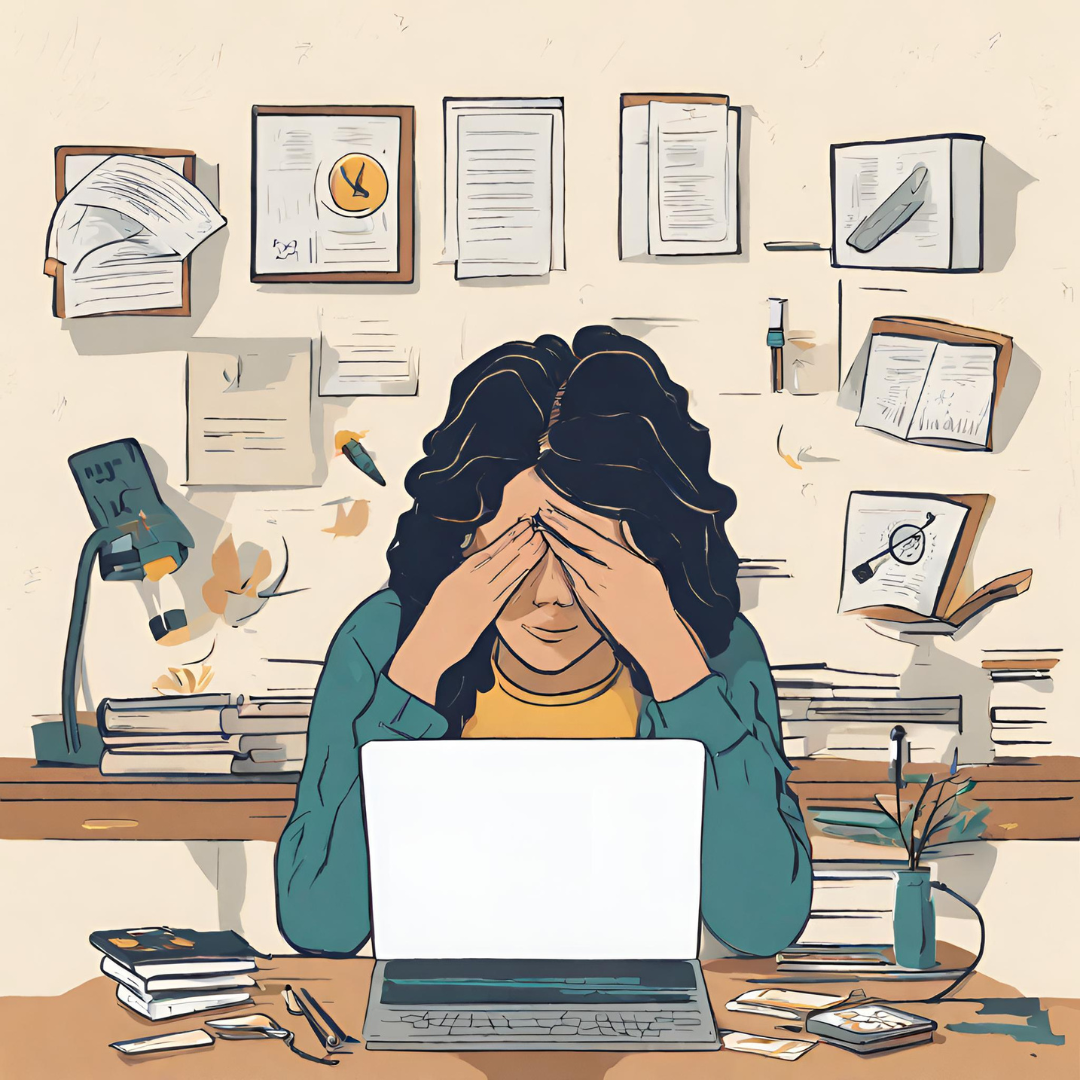
Conquer Test Anxiety: Proven Strategies for Achieving Your Best
Hey there, friend! Ever feel like your brain is staging a full-blown rebellion right before a big test? You know, the kind where everything you studied vanishes into thin air, your palms get sweatier than a summer marathon, and your heart starts doing a drum solo? Yep, that's test anxiety, and trust me, you're not alone. It's that sneaky little gremlin that loves to sabotage even the most prepared students. It's like your mind is playing a cruel joke, turning all that hard work into a jumbled mess of panic.
Imagine you've spent weeks mastering complex equations, memorizing historical dates, or dissecting literary masterpieces. You're feeling confident, ready to ace that exam. But then, BAM! You sit down, the test paper lands in front of you, and suddenly, your brain decides to take an unscheduled vacation. The formulas become gibberish, the dates morph into a confusing blur, and Shakespeare starts sounding like Klingon. It's infuriating, right? It's like training for a marathon only to trip over your own shoelaces at the starting line.
Now, here's the good news: test anxiety is a common challenge, and it's absolutely manageable. Think of it as a mischievous little gremlin, not an unbeatable monster. With the right strategies and a bit of self-compassion, you can tame that gremlin and transform test day from a dreaded nightmare into an opportunity to shine. We're going to dive deep into proven techniques that will help you stay calm, focused, and perform at your absolute best, even when the pressure is on.
Forget those generic tips you've heard a million times. We're talking about real, actionable strategies that address the root causes of test anxiety and equip you with the tools you need to succeed. We'll explore mindfulness techniques, effective study habits, powerful visualization exercises, and even some sneaky brain hacks that will give you a serious edge.
So, are you ready to ditch the pre-test jitters and unlock your true potential? Stick with me, and let's transform that test anxiety gremlin into your personal cheerleader. Let's dive in and discover how you can not only manage test anxiety but actually use it to fuel your success.
Let’s get into how to manage test anxiety and perform your best!
Understanding Test Anxiety
Before we jump into solutions, let's take a moment to understand what exactly test anxiety is. It's more than just feeling a little nervous; it's a combination of psychological and physiological symptoms that can significantly impair your performance. We’re talking about feeling so stressed your brain won’t work.
Think about it: you might experience racing thoughts, excessive worry, difficulty concentrating, and physical symptoms like sweating, trembling, nausea, or a racing heartbeat. These symptoms can be triggered by the pressure of performing well, fear of failure, or negative past experiences with tests.
Test anxiety often stems from a combination of factors, including:
-
Perfectionism: The unrealistic expectation of achieving flawless results can create immense pressure.
-
Fear of Failure: This fear can be debilitating, leading to avoidance or self-sabotaging behaviors.
-
Poor Preparation: Feeling unprepared can exacerbate anxiety, as you lack confidence in your knowledge.
-
Negative Self-Talk: Critical inner voices can undermine your confidence and increase feelings of stress.
Recognizing these underlying causes is the first step in effectively managing test anxiety. Now that we know what we're dealing with, let's get into some practical strategies to help you conquer those pre-test jitters and perform your best.
Practical Strategies to Manage Test Anxiety
Alright, friends, let's get down to the nitty-gritty. Here are some actionable strategies you can implement right away to manage your test anxiety:
-
Master the Art of Preparation: Feeling prepared is the ultimate anxiety-buster. Instead of cramming the night before, create a realistic study schedule well in advance. Break down the material into manageable chunks, and review regularly. Use a variety of study methods, such as summarizing notes, creating flashcards, and practicing with past papers. The more confident you feel in your knowledge, the less anxious you'll be.
-
Practice Makes Perfect: Simulate test conditions to familiarize yourself with the format, timing, and environment. This can significantly reduce anxiety on the actual test day. Find practice tests or create your own based on the syllabus. Time yourself, and try to mimic the test setting as closely as possible. This will help you build confidence and reduce the element of surprise.
-
Mindfulness Meditation: Your Secret Weapon: Mindfulness meditation is a powerful tool for calming the mind and reducing stress. Even a few minutes of daily practice can make a big difference. Find a quiet space, close your eyes, and focus on your breath. When your mind wanders, gently guide it back to your breath. This simple exercise can help you become more aware of your thoughts and feelings, allowing you to manage them more effectively.
-
Breathe Your Way to Calm: Deep breathing exercises are a quick and effective way to calm your nervous system. When you feel anxiety creeping up, try the 4-7-8 technique: inhale deeply through your nose for 4 seconds, hold your breath for 7 seconds, and exhale slowly through your mouth for 8 seconds. Repeat this several times until you feel more relaxed. This technique can help slow your heart rate and reduce feelings of panic.
-
Challenge Negative Thoughts: Negative self-talk can fuel anxiety and undermine your confidence. When you catch yourself thinking negative thoughts, challenge them. Ask yourself: Is this thought based on facts or feelings? Is it helpful or harmful? Replace negative thoughts with positive affirmations. For example, instead of thinking, "I'm going to fail this test," try thinking, "I've studied hard, and I'm prepared to do my best."
-
Visualize Success: Visualization is a powerful technique that can help you build confidence and reduce anxiety. Before the test, take some time to visualize yourself succeeding. Imagine yourself feeling calm and focused, answering questions confidently, and achieving your desired outcome. This mental rehearsal can help you feel more prepared and less anxious on the actual test day.
-
Fuel Your Body and Mind: What you eat and drink can have a significant impact on your mood and energy levels. Avoid sugary snacks and drinks that can lead to energy crashes. Instead, focus on eating a balanced diet rich in fruits, vegetables, and whole grains. Stay hydrated by drinking plenty of water. And be sure to get enough sleep, as sleep deprivation can exacerbate anxiety.
-
Create a Pre-Test Ritual: Develop a pre-test ritual that helps you feel calm and prepared. This could include listening to calming music, doing some light stretching, reviewing your notes one last time, or talking to a friend. Having a consistent routine can help you feel more in control and reduce anxiety.
-
During the Test: Stay Present: When you're taking the test, focus on the present moment. Don't get caught up in worrying about the past or the future. Read each question carefully, and answer it to the best of your ability. If you get stuck on a question, don't panic. Move on to the next one, and come back to it later.
-
Seek Support When You Need It: Don't be afraid to reach out for help if you're struggling with test anxiety. Talk to a trusted friend, family member, teacher, or counselor. They can provide support, encouragement, and guidance. Remember, you're not alone, and there's no shame in asking for help.
Real-World Examples
Let's look at a few real-world examples of how these strategies can work in practice:
-
Case Study 1: The Over-Achiever: Sarah was a straight-A student, but she suffered from crippling test anxiety. She was a textbook perfectionist, putting immense pressure on herself to achieve flawless results. By implementing mindfulness meditation and challenging her negative thoughts, she learned to manage her anxiety and perform closer to her true potential.
-
Case Study 2: The Procrastinator: Mark struggled with procrastination, often leaving his studying until the last minute. This lack of preparation exacerbated his anxiety and led to poor test performance. By creating a structured study schedule and practicing with past papers, he felt more prepared and confident, significantly reducing his anxiety.
-
Case Study 3: The Anxious Athlete: Emily was a talented athlete, but she struggled with test anxiety. She used visualization techniques to imagine herself succeeding on the test, just as she visualized herself succeeding in her sport. This mental rehearsal helped her feel more confident and less anxious on test day.
Expert Perspectives and Future Trends
According to experts, test anxiety is a growing concern, particularly in today's high-pressure academic environment. Many schools and universities are implementing programs to help students manage their anxiety and improve their mental well-being.
Current trends in test anxiety management include:
-
Increased use of technology: Apps and online resources offer guided meditations, relaxation exercises, and personalized support.
-
Focus on holistic approaches: Addressing not only academic skills but also mental and physical well-being.
-
Early intervention: Identifying and addressing anxiety early in a student's academic career.
Looking ahead, we can expect to see even more emphasis on personalized and preventative approaches to test anxiety management.
Questions and Answers
Here are some frequently asked questions about test anxiety:
-
Q: Is test anxiety a sign of intelligence?
-
A: Not at all! Test anxiety can affect anyone, regardless of their intelligence or academic ability. It's often related to factors like perfectionism, fear of failure, or negative past experiences.
-
Q: Can test anxiety be completely cured?
-
A: While it may not be possible to completely eliminate test anxiety, it can be effectively managed with the right strategies and support.
-
Q: What's the best way to prepare for a test if I have test anxiety?
-
A: Start preparing well in advance, break down the material into manageable chunks, use a variety of study methods, and practice under simulated test conditions.
-
Q: When should I seek professional help for test anxiety?
-
A: If your test anxiety is significantly interfering with your academic performance or overall well-being, it's a good idea to seek professional help from a therapist or counselor.
So, friends, we've covered a lot of ground. We've explored the nature of test anxiety, its underlying causes, and a wide range of practical strategies to manage it. Remember, test anxiety is a common challenge, but it's absolutely manageable. The key is to be proactive, practice these techniques regularly, and seek support when you need it.
Now, I want you to take action. Choose one or two strategies from this article that resonate with you and commit to practicing them this week. Whether it's mindfulness meditation, deep breathing exercises, or challenging negative thoughts, start small and build from there. The more you practice, the more effective these techniques will become.
You have the power to conquer your test anxiety and achieve your academic goals. Believe in yourself, trust in your abilities, and remember that you are capable of greatness. Are you ready to transform test day from a source of stress into an opportunity to shine? Go out there and show the world what you're made of!

Post a Comment for "How to Manage "Test Anxiety": Strategies for Staying Calm and Performing Your Best"
Post a Comment