How to Use "Gamification" to Make Learning More Engaging and Fun
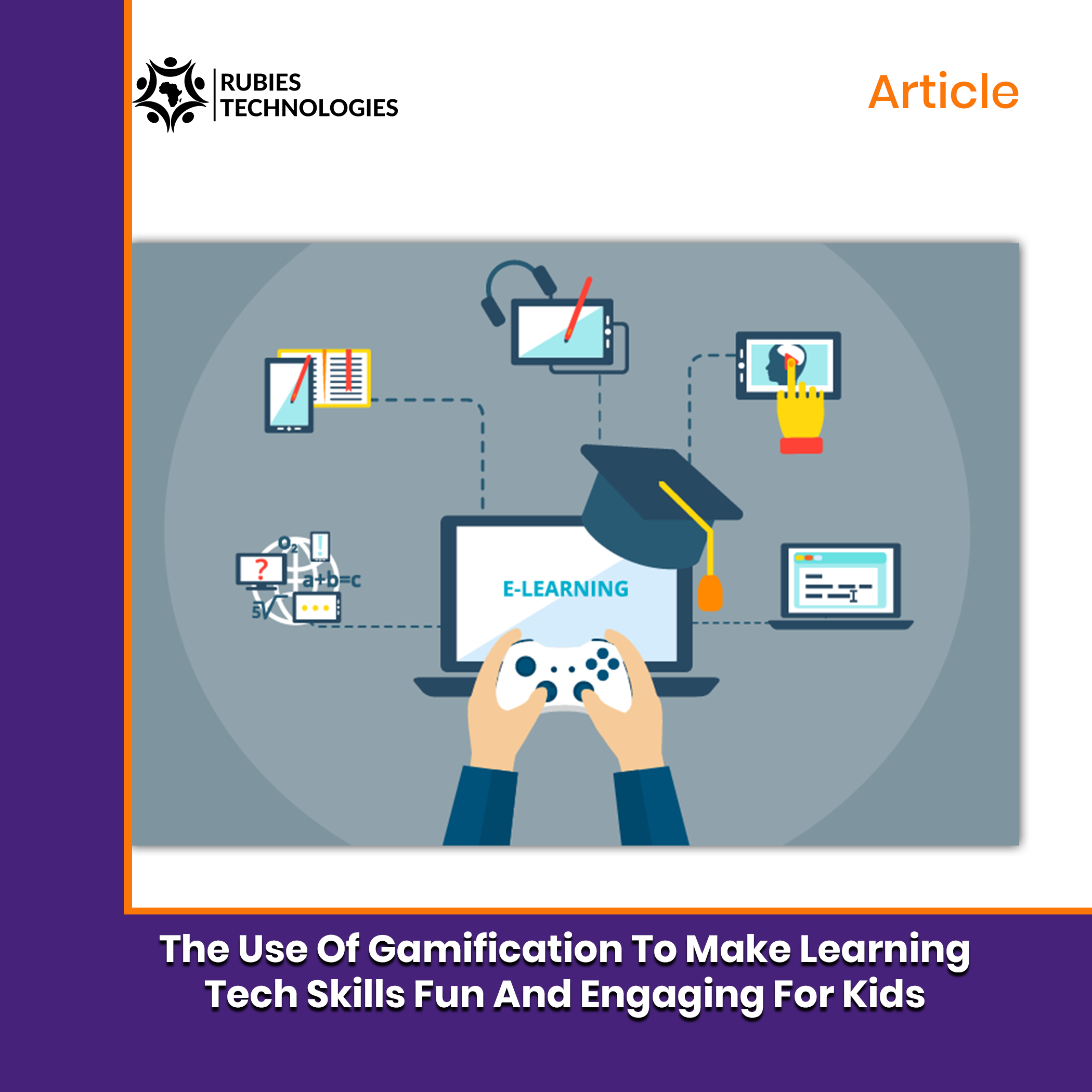
Unlock Your Superpower: Turning Learning into a Thrilling Game!
Hey there, fellow learners! Ever feel like textbooks are trying to lull you to sleep? Or that lectures are a secret code only professors can crack? Yeah, we've all been there. Learning can sometimes feel like a chore, something wehaveto do, not something wewantto do. But what if I told you there was a way to make learning not just bearable, but actually… fun? Even addictive?
Think about the last time you were completely engrossed in a video game. Hours melted away, challenges were eagerly tackled, and the feeling of accomplishment was… well, awesome. Now, imagine harnessing that same power, that same drive, to conquer your studies, master new skills, or even ace that dreaded exam.
That’s where gamification comes in, my friends.
Gamification isn't about turning your entire education into a giant version of Candy Crush. It's about strategically incorporating game-like elements into learning environments to boost motivation, engagement, and ultimately, retention. Think points, badges, leaderboards, challenges – all designed to make learning a more rewarding and enjoyable experience.
Let’s face it, traditional learning methods can sometimes feel a bit… stale. Rote memorization, passive listening, and endless note-taking can drain the enthusiasm out of even the most dedicated student. And in today's fast-paced, distraction-filled world, it's harder than ever to stay focused and motivated. We're bombarded with notifications, social media updates, and endless streams of entertainment vying for our attention. Is it any wonder that our brains sometimes struggle to stay locked on a textbook?
But here's the good news: our brains are wired to respond to games. Games provide clear goals, immediate feedback, and a sense of progress that keeps us hooked. They tap into our innate desire for competition, collaboration, and mastery. By strategically incorporating these elements into learning, we can unlock a powerful new way to engage with information and achieve our goals.
Consider this: a study by Talent LMS found that 89% of learners feel more engaged when gamification is used, and 83% are more motivated to learn. Those are some seriously impressive numbers! It’s not just hype; there's real science behind why gamification works.
But how exactly do you take this seemingly magical concept and apply it to your own learning journey? How do you transform your study sessions from a tedious slog into an exciting adventure? How do you use gamification to boost your grades, acquire new skills, and reignite your passion for learning?
Well, buckle up, because we're about to dive deep into the world of gamification and uncover the secrets to making learning more engaging and fun. We'll explore practical strategies, real-world examples, and expert tips that you can use to transform your learning experience. Get ready to level up your education!
Ready to turn your learning journey into an epic quest? Let’s get started!
How to Infuse Gamification into Your Learning Journey
Alright, friends, let's get down to brass tacks. We're going to explore some actionable strategies you can use to gamify your learning experience, whether you're a student, a professional, or simply someone who loves to learn new things. Remember, the goal is to make learning more engaging, fun, and ultimately, more effective. So, ditch the boring textbook and let's get ready to play!
-
Define Your Goals and Rewards
Before you start slapping points and badges on everything, take a moment to clarify what you want to achieve. What are your learning goals? What skills do you want to acquire? What knowledge do you want to master? Once you have a clear understanding of your objectives, you can start designing a gamified system that aligns with your needs.
Think about the rewards that will motivate you. These could be anything from small treats (a coffee break after completing a chapter) to larger incentives (a weekend getaway after acing an exam). The key is to choose rewards that are meaningful to you and that will keep you motivated throughout the learning process. Maybe you reward yourself with 15 minutes of playing your favorite game after each hour of studying!
-
Implement a Point System
Points are the foundation of many gamified systems. They provide a tangible measure of progress and allow you to track your achievements over time. You can award points for completing tasks, answering questions correctly, participating in discussions, or achieving specific milestones.
Get creative with your point system! You could assign different point values to different activities based on their difficulty or importance. For example, you might award 10 points for reading a chapter, 20 points for completing a quiz, and 50 points for writing a research paper.
Don’t forget to set up a system for redeeming your points. You can use them to unlock rewards, access new content, or gain special privileges.
-
Introduce Badges and Achievements
Badges and achievements are a great way to recognize and celebrate your accomplishments. They provide a visual representation of your progress and serve as a source of motivation.
Design badges that are relevant to your learning goals. You could award badges for mastering specific skills, completing challenging tasks, or achieving certain milestones. For example, you might award a "Master of Trigonometry" badge after successfully completing a unit on trigonometry, or a "Research Guru" badge after writing a stellar research paper.
Make your badges visually appealing and easy to understand. You can use online tools to create custom badges that reflect your personal style and preferences.
-
Incorporate Leaderboards and Competition
A little healthy competition can be a powerful motivator. Leaderboards allow you to compare your progress with others and see how you stack up. They can encourage you to push yourself harder and strive for excellence.
If you're studying with friends or colleagues, consider creating a shared leaderboard to track your progress. You can award points for completing tasks, answering questions correctly, or achieving specific milestones. The person with the most points at the end of the week or month wins a prize.
However, it's important to use leaderboards responsibly. Avoid creating a cutthroat or overly competitive environment. The goal is to encourage collaboration and mutual support, not to create unnecessary stress or anxiety. Focus on celebrating everyone's achievements, regardless of their position on the leaderboard.
-
Introduce Challenges and Quests
Challenges and quests can add an element of excitement and adventure to your learning journey. They provide a clear sense of purpose and encourage you to step outside of your comfort zone.
Design challenges that are relevant to your learning goals and that require you to apply your knowledge in new and creative ways. For example, if you're learning a new language, you could challenge yourself to have a conversation with a native speaker. Or, if you're studying history, you could challenge yourself to write a short story set in a particular historical period.
Break down larger challenges into smaller, more manageable steps. This will make them less daunting and more achievable. You can award points, badges, or other rewards for completing each step of the challenge.
-
Use Storytelling and Narrative
Stories have a powerful way of capturing our attention and engaging our emotions. By incorporating storytelling and narrative into your learning, you can make the material more memorable and meaningful.
Try framing your learning goals as a quest or adventure. Imagine yourself as a hero on a mission to acquire new knowledge and skills. Use storytelling to bring the material to life and to connect it to your own personal experiences.
You can also use storytelling to create a more immersive learning environment. For example, if you're studying history, you could create a fictional character who lived during that time period and explore the events through their eyes.
-
Embrace Feedback and Iteration
Feedback is essential for learning and growth. It allows you to identify areas where you're struggling and to make adjustments to your approach.
Seek out feedback from teachers, mentors, or peers. Ask them to review your work and provide constructive criticism. Be open to their suggestions and use them to improve your performance.
Don't be afraid to experiment with different gamification techniques and to iterate on your approach. What works for one person may not work for another. The key is to find a system that is engaging, motivating, and effective for you.
-
Gamify Your Study Environment
Transform your study space into a more engaging and stimulating environment. Add some plants, artwork, or other decorative elements that you find inspiring. Play music that helps you focus and concentrate. Use colorful pens, highlighters, and sticky notes to make your notes more visually appealing.
Consider using gamified apps and tools to track your progress and stay motivated. There are many apps available that can help you gamify your learning experience, such as Habitica, Forest, and Quizlet.
Remember, the goal is to create a study environment that you enjoy spending time in. A comfortable and stimulating environment will make learning more enjoyable and effective.
-
Don't Forget the Fun Factor!
Ultimately, the most important thing is to make learning fun! If you're not enjoying the process, you're less likely to stay motivated and engaged.
Experiment with different gamification techniques and find what works best for you. Don't be afraid to be creative and to try new things. The possibilities are endless!
Remember, learning should be an enjoyable journey, not a chore. By incorporating gamification into your learning experience, you can unlock your full potential and achieve your goals.
Questions and Answers About Gamification in Learning
Here are some common questions about gamification in learning, along with insightful answers to help you better understand the concept and its applications:
-
Question: Is gamification just for kids?
Answer: Absolutely not! While gamification is often associated with younger learners, its principles are effective for people of all ages. The core elements of gamification, such as clear goals, immediate feedback, and rewards, appeal to our innate human desires for achievement and recognition, regardless of age. Many successful gamification initiatives are implemented in corporate training programs, professional development courses, and even personal self-improvement strategies for adults.
-
Question: Does gamification distract from the actual learning content?
Answer: When implemented poorly, yes, it can. The key is to ensure that the game elements are seamlessly integrated with the learning content and that they support, rather than distract from, the learning objectives. Gamification should enhance the learning experience by making it more engaging and memorable, not overshadowing the core concepts. Careful planning and design are crucial to avoid this pitfall.
-
Question: How much does it cost to implement gamification?
Answer: The cost of implementing gamification can vary greatly depending on the scope and complexity of the project. Simple gamification strategies, such as using a point system or creating badges, can be implemented with minimal cost. However, more complex initiatives, such as developing a custom gamified learning platform, can require significant investment. There are also many affordable gamified learning apps and tools available that can be used to enhance the learning experience without breaking the bank.
-
Question: Is gamification just a fad?
Answer: While the term "gamification" may have experienced a surge in popularity in recent years, the underlying principles of using game elements to motivate and engage people are not new. For centuries, educators and trainers have used techniques such as rewards, challenges, and competition to enhance learning. Gamification is simply a more formalized and strategic approach to these techniques, leveraging technology and design principles to create more engaging and effective learning experiences. As long as people are motivated by rewards, challenges, and a sense of accomplishment, gamification will continue to be a relevant and valuable tool for enhancing learning.
Level Up Your Learning Journey: A Final Word
So there you have it, friends! We've explored the exciting world of gamification and uncovered the secrets to transforming learning into a thrilling adventure. From defining your goals and implementing a point system to introducing challenges and embracing storytelling, we've covered a wide range of strategies that you can use to make learning more engaging, fun, and effective.
Remember, gamification isn't about turning your entire life into a game. It's about strategically incorporating game-like elements into learning environments to boost motivation, engagement, and ultimately, retention. It's about tapping into our innate human desires for achievement, recognition, and fun.
Now, it's your turn to take action! Start by identifying one area of your life where you'd like to make learning more engaging. This could be anything from studying for an exam to acquiring a new skill to simply expanding your knowledge on a topic that interests you. Then, choose one or two of the gamification strategies we've discussed and experiment with them. See what works best for you and don't be afraid to iterate and refine your approach.
I challenge you to take the first step today. Download a gamified learning app, create a point system for your study sessions, or simply find a way to make learning more enjoyable. You might be surprised at how much of a difference it can make.
Learning is a lifelong journey, and it should be an enjoyable one. By embracing gamification, you can unlock your full potential, achieve your goals, and ignite your passion for learning. So go out there, level up your skills, and conquer the world! Are you ready to transform your learning experience?

Post a Comment for "How to Use "Gamification" to Make Learning More Engaging and Fun"
Post a Comment