How to Budget Like a Pro: Taking Control of Your Finances
Unlock Your Financial Freedom: Budgeting Like a Pro!
Ready to Ditch Financial Stress? Let's Talk Budgeting!
Hey friends! Ever feel like your money is playing hide-and-seek, and you're always the one who's "it"? You know, that feeling when you get paid, and thenpoof, it's gone before you even blinked? Or maybe you’re scrolling through Instagram, seeing everyone’s perfectly curated lives, wondering how they afford those fancy vacations and designer lattes. Well, let's be honest, most of them are probably in debt (shhh!). But jokes aside, the real secret isn't some magical money tree; it's actually mastering the art of budgeting. And trust me, it's not as scary as it sounds. Think of it as giving your money a purpose, a mission! Currently, with inflation doing its best impression of a runaway train, understanding where your money goes is more crucial than ever.
We've all been there, right? The "I'll start budgeting tomorrow" promise we make ourselves every month. But tomorrow never seems to come, and the cycle continues. It's like that gym membership we swear we'll use – we're full of good intentions, but somehow, Netflix and pizza always win. The truth is, budgeting isn’t about deprivation; it's about empowerment. It's about taking control of your financial destiny and making your money work for you, not against you. Imagine being able to actually save for that dream vacation, pay off those pesky debts, or even just sleep soundly at night knowing you're not one unexpected bill away from financial disaster. According to recent studies, people who actively budget report feeling significantly less stressed and more in control of their lives. And let's face it, who doesn't want less stress and more control?
So, how do we transform from financial procrastinators to budgeting pros? That's what we're diving into today! We're not talking about complicated spreadsheets and restrictive rules. We're talking about simple, actionable steps you can take right now to start building a better financial future. We’ll explore everything from tracking your spending to setting realistic goals, and even uncover some sneaky tricks to save money without sacrificing the things you love. Think of this as your personal budgeting bootcamp – minus the yelling and push-ups (unless you’re into that, no judgment!). Stick around, because by the end of this, you’ll have the tools and knowledge you need to finally take charge of your finances and say goodbye to money stress for good. Ready to unlock your financial freedom? Let's get started!
Mastering the Art of Budgeting: Your Step-by-Step Guide to Financial Freedom
Alright, friends, let's get down to brass tacks. We're going to break down the budgeting process into manageable, bite-sized pieces that anyone can follow. Remember, the key is consistency, not perfection. So, don't get discouraged if you slip up along the way. Just dust yourself off and get back on track. We're all in this together!
• Understand Your "Why" – Define Your Financial Goals
Before you even think about spreadsheets or apps, let's get crystal clear on why you want to budget in the first place. What are your financial goals? Do you dream of buying a house, paying off debt, traveling the world, or retiring early? Maybe it's something simpler, like building an emergency fund or just being able to afford a guilt-free weekend getaway. Whatever it is, write it down. Having a clear "why" will keep you motivated when the going gets tough. For example, if your goal is to pay off your student loans, visualize yourself debt-free, enjoying the extra cash flow. Think about what you could do with that money – invest it, travel, or simply enjoy more financial freedom.
• Track Every Penny: Know Where Your Money Goes
This is where the rubber meets the road. You need to know exactly where your money is going, every single penny. Don't skip this step! It's like trying to lose weight without knowing how many calories you're consuming. You can use a budgeting app (Mint, YNAB, Personal Capital are popular choices), a spreadsheet, or even a good old-fashioned notebook. The important thing is to track everything – from your rent or mortgage to your daily coffee and that impulse purchase you made on Amazon. You might be surprised at how much you're actually spending on things you don't even need. I used to think I was only spending $20 a week on coffee. Turns out, it was closer to $50! That's a shocking realization, but it's also empowering. Knowing is half the battle.
• Create a Realistic Budget: The 50/30/20 Rule and Beyond
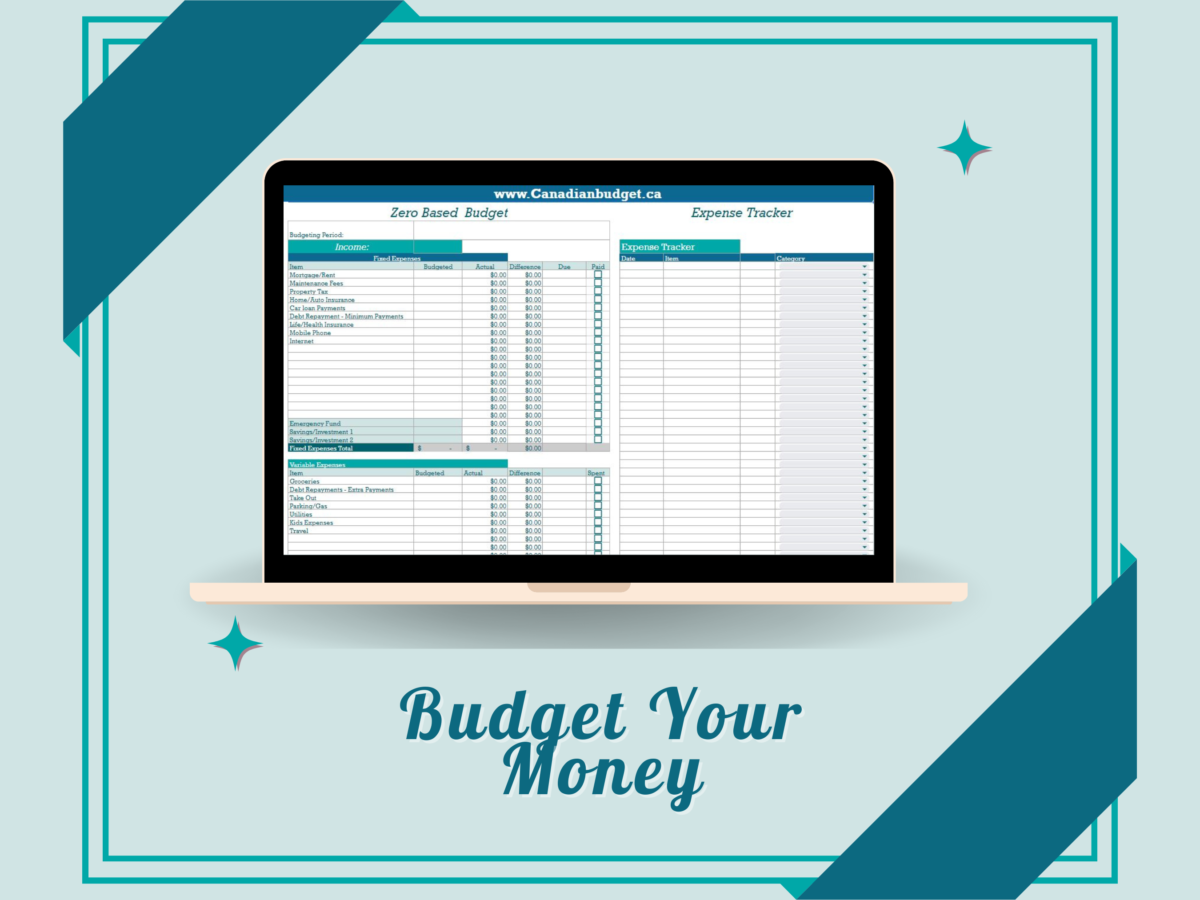
Now that you know where your money is going, it's time to create a budget. There are many different budgeting methods out there, but one of the most popular and straightforward is the 50/30/20 rule. This rule suggests that you allocate 50% of your income to needs (rent, utilities, groceries, transportation), 30% to wants (dining out, entertainment, shopping), and 20% to savings and debt repayment. This is just a guideline, of course, and you can adjust it to fit your own specific circumstances. For example, if you have a lot of debt, you might want to allocate more than 20% to debt repayment. Or, if you're saving for a big purchase, you might want to temporarily increase your savings rate. The key is to create a budget that is realistic and sustainable for you. Another budgeting method is zero-based budgeting, where every dollar is assigned a purpose. This can be more time-consuming but also more effective for those who want to have a very detailed budget.
• Automate Your Savings: Pay Yourself First
This is a game-changer. Set up automatic transfers from your checking account to your savings account every month. This way, you're paying yourself first before you even have a chance to spend the money. Treat it like a bill you have to pay. Even if it's just a small amount, it will add up over time. Plus, you won't even miss the money because you'll never see it in your checking account in the first place. Many banks offer the option to automatically transfer funds to a savings account. Take advantage of this feature! It's one of the easiest and most effective ways to build wealth.
• Identify and Cut Unnecessary Expenses: The Latte Factor and More
Okay, let's be honest, we all have those little expenses that add up over time. The daily latte, the subscription you never use, the impulse purchases at the checkout line. These may seem insignificant, but they can make a big dent in your budget. Identify these unnecessary expenses and cut them out. It's not about depriving yourself of everything you enjoy, but about being mindful of where your money is going. The "latte factor," popularized by David Bach, highlights the impact of small daily expenses on your overall financial health. Cutting out that daily latte could save you hundreds of dollars a year, which could be used for more important things, like investing or paying down debt. Consider alternatives to your usual spending habits. Can you make coffee at home instead of buying it at a coffee shop? Can you cancel that subscription you never use? Can you pack your lunch instead of eating out? Small changes can make a big difference.
• Negotiate Bills and Shop Around: Find the Best Deals
Don't be afraid to negotiate your bills. Many companies are willing to lower your rates if you ask. Call your cable company, your internet provider, your insurance company, and see if you can get a better deal. You might be surprised at how much you can save. Also, always shop around for the best prices. Use comparison websites to find the best deals on everything from groceries to car insurance. A little bit of research can save you a lot of money. Websites like Nerd Wallet and Credit Karma offer tools to compare financial products and services. Don't just accept the first offer you see. Take the time to shop around and find the best value for your money.
• Build an Emergency Fund: Prepare for the Unexpected
Life happens. Unexpected expenses always seem to pop up at the worst possible time. That's why it's crucial to have an emergency fund. This is a savings account specifically for unexpected expenses, like a medical bill, a car repair, or a job loss. Aim to save at least 3-6 months' worth of living expenses in your emergency fund. This will give you a cushion to fall back on when things go wrong, so you don't have to go into debt. Keep your emergency fund in a high-yield savings account so you can earn interest on your money while it sits there. Having an emergency fund will give you peace of mind and protect you from financial hardship.
• Review and Adjust Your Budget Regularly: Stay Flexible
Your budget is not set in stone. It's a living document that should be reviewed and adjusted regularly. As your income and expenses change, your budget should change with them. Review your budget at least once a month to make sure it's still working for you. Make adjustments as needed. Don't be afraid to experiment with different budgeting methods and strategies until you find what works best for you. The key is to stay flexible and adaptable. Life is unpredictable, and your budget should be able to accommodate those changes.
• Use Technology to Your Advantage: Budgeting Apps and Tools
There are tons of great budgeting apps and tools out there that can make the process easier and more efficient. Mint, YNAB (You Need A Budget), Personal Capital, and Pocket Guard are just a few popular choices. These apps can help you track your spending, create a budget, set goals, and monitor your progress. They can also automate many of the tasks involved in budgeting, like tracking transactions and categorizing expenses. Experiment with different apps and find one that you like and that fits your needs. Technology can be a powerful tool for managing your finances.
• Celebrate Your Successes: Reward Yourself (Responsibly!)
Budgeting can be hard work, so it's important to celebrate your successes along the way. When you reach a goal, reward yourself (responsibly!). Maybe treat yourself to a nice dinner, a new book, or a weekend getaway. Just make sure the reward is within your budget. Celebrating your successes will help you stay motivated and on track. It's important to acknowledge your progress and appreciate how far you've come. Don't forget to pat yourself on the back! You deserve it.
Budgeting FAQs: Your Burning Questions Answered
Let's tackle some common questions about budgeting that might be swirling around in your head.
• Question: I've tried budgeting before, but I always give up. What can I do to stay motivated?
Answer: The key is to make budgeting a habit, not a chore. Start small and focus on building momentum. Set realistic goals and celebrate your successes. Find a budgeting method that works for you and stick with it. Also, remind yourself of your "why" – your financial goals. Why are you budgeting in the first place? Keeping your goals top of mind will help you stay motivated when the going gets tough. Consider finding a budgeting buddy – someone who can hold you accountable and offer support. Or, join an online budgeting community where you can share tips and encouragement with others.
• Question: I have a variable income. How can I budget effectively?
Answer: Budgeting with a variable income can be challenging, but it's definitely possible. Start by tracking your income for a few months to get an idea of your average monthly income. Then, create a budget based on your lowest expected income. This way, you'll be able to cover your essential expenses even when your income is low. When you have a higher income month, use the extra money to pay down debt, build your emergency fund, or invest. You can also use a zero-based budgeting approach, where you assign every dollar a purpose each month, based on your actual income. Another strategy is to create a "buffer" in your checking account to smooth out the fluctuations in your income.
• Question: I'm drowning in debt. Should I even bother budgeting?
Answer: Absolutely! Budgeting is even more important when you're in debt. A budget will help you prioritize your debt repayment and free up extra cash to put towards your debts. Start by creating a debt repayment plan. List all of your debts, including the interest rates and minimum payments. Then, choose a debt repayment method, such as the debt snowball method (paying off the smallest debt first) or the debt avalanche method (paying off the debt with the highest interest rate first). Stick to your budget and debt repayment plan, and you'll be amazed at how quickly you can start to make progress.
• Question: What if I overspend one month? Should I just give up?
Answer: Absolutely not! Overspending happens to everyone. Don't beat yourself up about it. Just learn from your mistakes and get back on track. Review your budget and identify where you overspent. Then, make adjustments to your budget for the following month to compensate for the overspending. Maybe you need to cut back on your "wants" or find ways to earn extra income. The key is to stay flexible and adaptable. Budgeting is a journey, not a destination. There will be ups and downs along the way. Just keep learning and growing, and you'll eventually reach your financial goals.
The Takeaway: Your Journey to Financial Freedom Starts Now
Wow, we've covered a lot! From understanding your "why" to celebrating your successes, we've explored the essential steps to budgeting like a pro. Remember, budgeting isn't about restricting yourself; it's about empowering yourself to make conscious choices about your money. It's about taking control of your financial future and building the life you want.
So, what's the next step? It's simple: start! Pick one or two strategies from this guide and implement them today. Maybe it's tracking your spending for a week, setting up an automatic transfer to your savings account, or negotiating one of your bills. Whatever you choose, take action. The sooner you start, the sooner you'll see results. Download a budgeting app, create a spreadsheet, or simply grab a notebook and pen. The important thing is to begin. And if you are already doing those things, keep going and stay consistent. Financial freedom isn't a sprint; it's a marathon.
Now it's time to take the reins of your financial destiny. Why not start by setting a small, achievable financial goal for the next month? Are you ready to transform your relationship with money and unlock your financial potential?

Post a Comment for "How to Budget Like a Pro: Taking Control of Your Finances"
Post a Comment