How to Find Reliable Information Online: Evaluating Sources and Avoiding Misinformation
Navigating the Truth: Your Guide to Spotting Reliable Information Online
Hey there, friend! Ever feel like you're wading through a swamp of information online, and you're not quite sure what's a solid patch of ground and what's a sinkhole of misinformation? You're definitely not alone. In today's digital age, we're bombarded with news, opinions, and "facts" from every corner of the internet. It's like trying to drink from a firehose, except the firehose is spewing everything from genuine insights to blatant falsehoods. Remember that time your aunt shared that "miracle cure" for the common cold that involved, shall we say, unconventional ingredients? Or when you almost fell for that ridiculously cheap vacation package that turned out to be a scam? We've all been there. The struggle is real.
And let’s be honest, sometimes it's hard to tell what’s legit. Is that news article from a reputable source, or just some clickbait designed to generate ad revenue? Is that scientific study actually sound, or is it riddled with bias and flawed methodology? Are those product reviews genuine, or are they written by bots or paid shills? It's a jungle out there! Consider the recent buzz around AI. One minute it's going to solve all our problems, the next it's going to steal our jobs and usher in a dystopian future. Sifting through the hype and finding the real, reliable information can feel like an impossible task.
The constant exposure to misinformation isn't just annoying; it can have real-world consequences. From influencing our political opinions to affecting our health decisions, the information we consume shapes our lives in profound ways. Think about the spread of vaccine misinformation during the pandemic. False claims and conspiracy theories led to hesitancy and distrust, ultimately impacting public health. Or consider the impact of financial scams that prey on unsuspecting individuals, promising quick riches but delivering only heartbreak and financial ruin.
But don't despair! The good news is that you don't have to be a tech wizard or a seasoned journalist to become a savvy online information consumer. With a few simple tools and a healthy dose of skepticism, you can learn to navigate the digital landscape with confidence and avoid falling prey to misinformation. This isn't about becoming paranoid or distrusting everything you see online. It's about developing a critical eye and learning to evaluate sources with care. Think of it as building your own personal BS detector, a skill that will serve you well in all aspects of your life.
So, how do you cut through the noise and find the truth? How do you distinguish between credible sources and those that are… less so? How do you protect yourself from the dangers of misinformation and become a more informed and empowered citizen? That's what we're here to explore together. Stick around, because we're about to dive into the practical steps you can take to become a master of online information evaluation. Are you ready to arm yourself with the knowledge and skills you need to navigate the digital world with confidence? Let's get started!
How to Find Reliable Information Online: Evaluating Sources and Avoiding Misinformation
Becoming a Digital Detective: Your Guide to Online Truth-Seeking
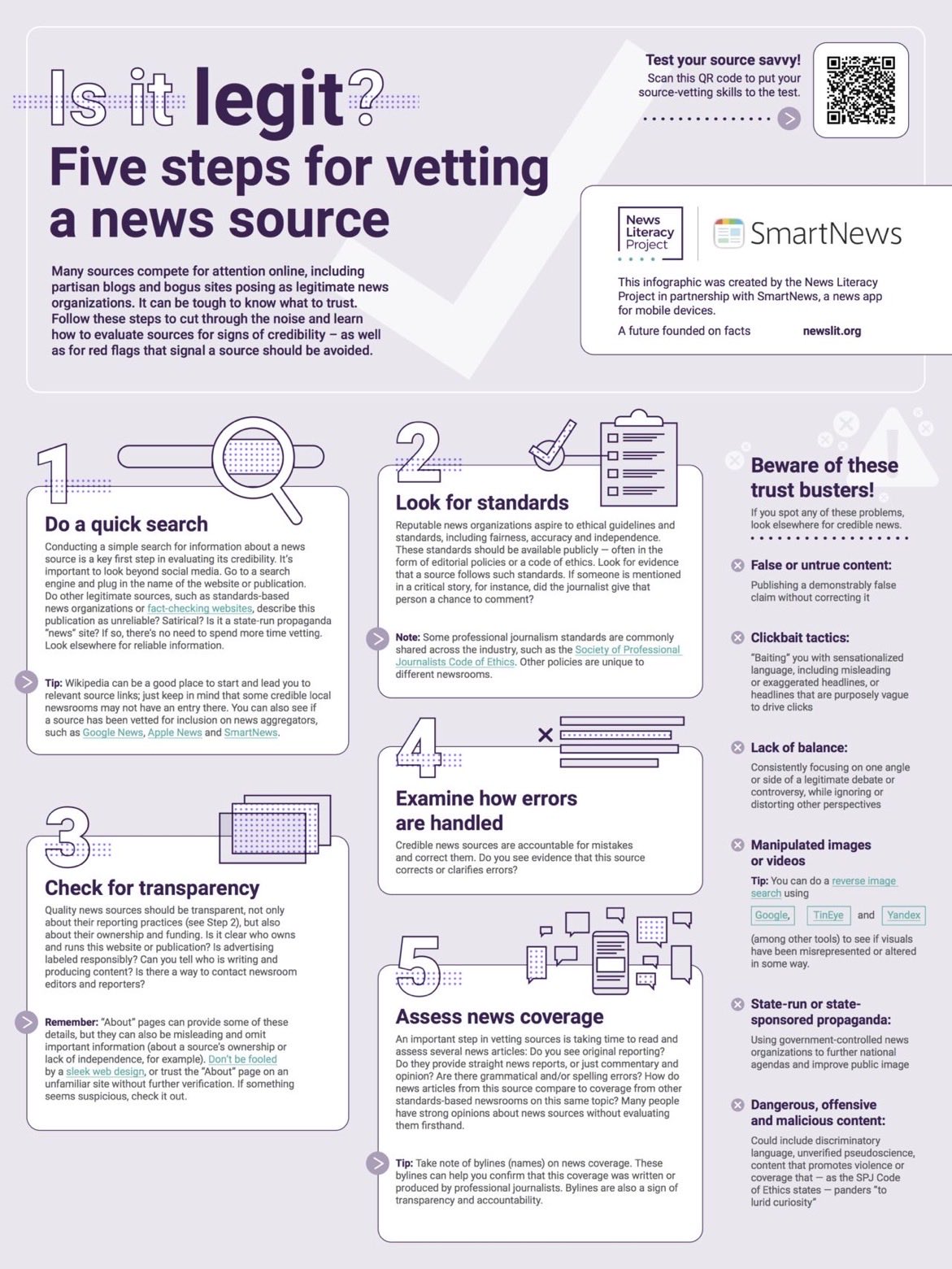
Alright, friends, let's get down to brass tacks. The internet is a wild place, but you don't have to be lost in the wilderness. Here's your survival guide to finding reliable information online:
•Check the Source's Reputation:
First things first: Who is telling you this information? Is it a well-known news organization with a track record of accuracy, or is it a random blog you stumbled upon? Look for the "About Us" page. Does the organization have a clear mission statement and editorial policy? Are their sources transparent? A quick Google search of the source's name can often reveal its reputation and any potential biases. For instance, if you see a website that constantly promotes one political viewpoint, it's worth taking their "facts" with a grain of salt.
•Look for Evidence and Citations:
Claims without evidence are like promises without follow-through – pretty useless. Does the source back up its claims with data, research, or credible sources? Look for citations and links to original sources. Be wary of articles that rely solely on anecdotal evidence or unnamed sources. A good article should provide you with the tools to verify the information yourself. For example, if an article claims that "studies show coffee is bad for you," it should link to those studies so you can see the methodology and results.
•Be Wary of Biases:
Everyone has biases, whether they realize it or not. However, a reliable source will acknowledge its biases and strive for objectivity. Be on the lookout for loaded language, emotional appeals, and selective reporting. Does the source present all sides of the issue, or does it only focus on one perspective? A balanced perspective is a hallmark of good journalism and research. Consider a news article about climate change; a biased source might only present data that supports its pre-existing view, while a more objective source would acknowledge the complexities and present different perspectives.
•Cross-Reference Information:
Don't just take one source's word for it. Compare the information you find with other sources, especially those with different perspectives. If multiple independent sources are reporting the same information, it's more likely to be accurate. This is especially important when dealing with controversial or sensitive topics. For instance, if you're researching a medical condition, don't rely solely on one website. Consult multiple reputable sources, such as the Mayo Clinic, the National Institutes of Health, and your doctor.
•Check the Date:
Information can become outdated quickly, especially in fields like technology, science, and medicine. Make sure you're looking at the most current information available. An article from 2010 about the latest smartphone technology is probably not very relevant today. Pay attention to the publication date and consider whether the information is still accurate and up-to-date.
•Consider the Domain:
The domain name of a website can tell you a lot about its purpose and credibility. Websites with domains like ".edu" (educational institutions) and ".gov" (government agencies) are generally more reliable than those with domains like ".com" (commercial) or ".org" (organizations). However, be aware that anyone can register a ".com" or ".org" domain, so it's important to evaluate the content of the website carefully, regardless of its domain.
•Be Skeptical of Headlines:
Clickbait headlines are designed to grab your attention and entice you to click on an article, even if the content is misleading or inaccurate. Be wary of headlines that are overly sensational, emotional, or use all caps. Before clicking on a headline, ask yourself: Does this seem too good to be true? Is the headline trying to provoke an emotional response? Could this be a form of clickbait?
•Reverse Image Search:
Images can be easily manipulated or taken out of context. If you see an image that seems suspicious, try doing a reverse image search to see where else it has appeared online. This can help you determine if the image is genuine or if it has been altered or misrepresented. Google Images and Tin Eye are two popular tools for reverse image searching.
•Consult Fact-Checking Websites:
Several websites are dedicated to fact-checking news articles and online claims. These websites can be a valuable resource for verifying information and debunking misinformation. Some popular fact-checking websites include Snopes, Politi Fact, and Fact Check.org.
•Trust Your Gut:
Sometimes, even after doing all your research, something just doesn't feel right. If you have a nagging feeling that something is off, trust your intuition. It's better to err on the side of caution than to blindly believe something that seems too good to be true. If you're unsure about the reliability of a source or a piece of information, don't share it.
Real-World Examples: Spotting Misinformation in Action
Let's look at some concrete examples to illustrate how these principles can be applied in real-world scenarios:
•The "Miracle Cure" Claim:
Imagine you see a Facebook post claiming that a new supplement can cure cancer. The post is shared by a friend, and it includes testimonials from people who claim to have been cured by the supplement. Before you rush out to buy this "miracle cure," apply the principles we've discussed. Check the source: Is it a reputable medical organization or a random website? Look for evidence: Are there any scientific studies to support the claim? Be wary of biases: Is the website selling the supplement? Cross-reference the information: What do other medical websites say about the supplement? In most cases, you'll find that the claim is unsubstantiated and potentially harmful.
•The "Fake News" Article:
You come across a news article on social media with a shocking headline about a political scandal. The article is shared by a friend who is very passionate about politics. Before you share the article with your own network, take a moment to evaluate the source. Is it a well-known news organization or a partisan website? Check the evidence: Does the article cite any credible sources? Be wary of biases: Does the article use loaded language or emotional appeals? Cross-reference the information: Are other news organizations reporting the same story? If you find that the article is from a questionable source and lacks evidence, it's best to avoid sharing it.
•The "Altered Image":
You see a viral image on Twitter that appears to show a celebrity doing something controversial. Before you retweet the image, do a reverse image search to see where else it has appeared online. You might discover that the image has been altered or taken out of context. This can help you avoid spreading misinformation and potentially damaging someone's reputation.
The Future of Truth: Navigating the Evolving Information Landscape
The fight against misinformation is an ongoing battle. As technology evolves, so too do the tactics used to spread false information. Deepfakes, AI-generated content, and sophisticated disinformation campaigns are becoming increasingly common. It's more important than ever to be vigilant and to continuously hone your critical thinking skills.
Here are some trends to watch out for:
•AI-Powered Misinformation:
AI is making it easier than ever to create realistic-sounding fake news articles, images, and videos. Be extra cautious when encountering content that seems too good (or too bad) to be true.
•Microtargeting and Personalized Misinformation:
Social media platforms are using sophisticated algorithms to target users with personalized misinformation based on their interests and beliefs. Be aware that what you see online may not be representative of reality.
•The Blurring of Lines Between Fact and Opinion:
Many news outlets are increasingly blending factual reporting with opinion and commentary. Be able to distinguish between objective reporting and subjective interpretations.
By staying informed about these trends and continuing to practice the skills we've discussed, you can become a more resilient and informed consumer of online information.
Tips for Continued Learning: Stay Sharp and Stay Informed
•Follow Reputable Fact-Checkers:
Stay up-to-date on the latest fact-checking efforts by following reputable organizations like Snopes, Politi Fact, and Fact Check.org on social media.
•Take a Media Literacy Course:
Many universities and community colleges offer courses in media literacy that can help you develop your critical thinking skills.
•Engage in Civil Discourse:
Talk to people who have different perspectives than you do. This can help you broaden your understanding of complex issues and challenge your own biases.
•Be a Responsible Sharer:
Think before you share. If you're not sure if something is accurate, don't share it.
Q&A: Your Burning Questions Answered
Let's tackle some common questions about finding reliable information online:
Q: How can I tell if a website is biased?
A: Look for loaded language, emotional appeals, selective reporting, and a lack of diverse perspectives. Check the "About Us" page to see if the organization has a clear mission statement and editorial policy. Also, consider the source's funding and potential conflicts of interest.
Q: What should I do if I see misinformation online?
A: Don't share it! Report it to the social media platform or website where you saw it. You can also share accurate information from reputable sources to counter the misinformation.
Q: Are all ".org" websites reliable?
A: Not necessarily. While ".org" websites are often used by non-profit organizations, anyone can register a ".org" domain. It's important to evaluate the content of the website carefully, regardless of its domain.
Q: Is it okay to trust information from social media?
A: Be cautious. Social media can be a valuable source of information, but it's also a breeding ground for misinformation. Always verify information from social media with reputable sources before sharing it.
Alright, friends, that's a wrap! We've covered a lot of ground, from checking sources to spotting biases to navigating the future of misinformation. Remember, the internet is a powerful tool, but it's up to us to use it responsibly and to be discerning consumers of information. We hope this guide has equipped you with the knowledge and skills you need to navigate the digital world with confidence. Now it's your turn to put these principles into practice. Start by evaluating the sources you rely on most frequently. Challenge your own assumptions and biases. And most importantly, be a responsible sharer of information. The fight against misinformation is a collective effort, and every little bit helps. What steps will you take today to become a more informed and empowered citizen of the digital world?
Go forth and seek the truth!

Post a Comment for "How to Find Reliable Information Online: Evaluating Sources and Avoiding Misinformation"
Post a Comment