How to Write a Winning Resume and Cover Letter: Landing Your Dream Job
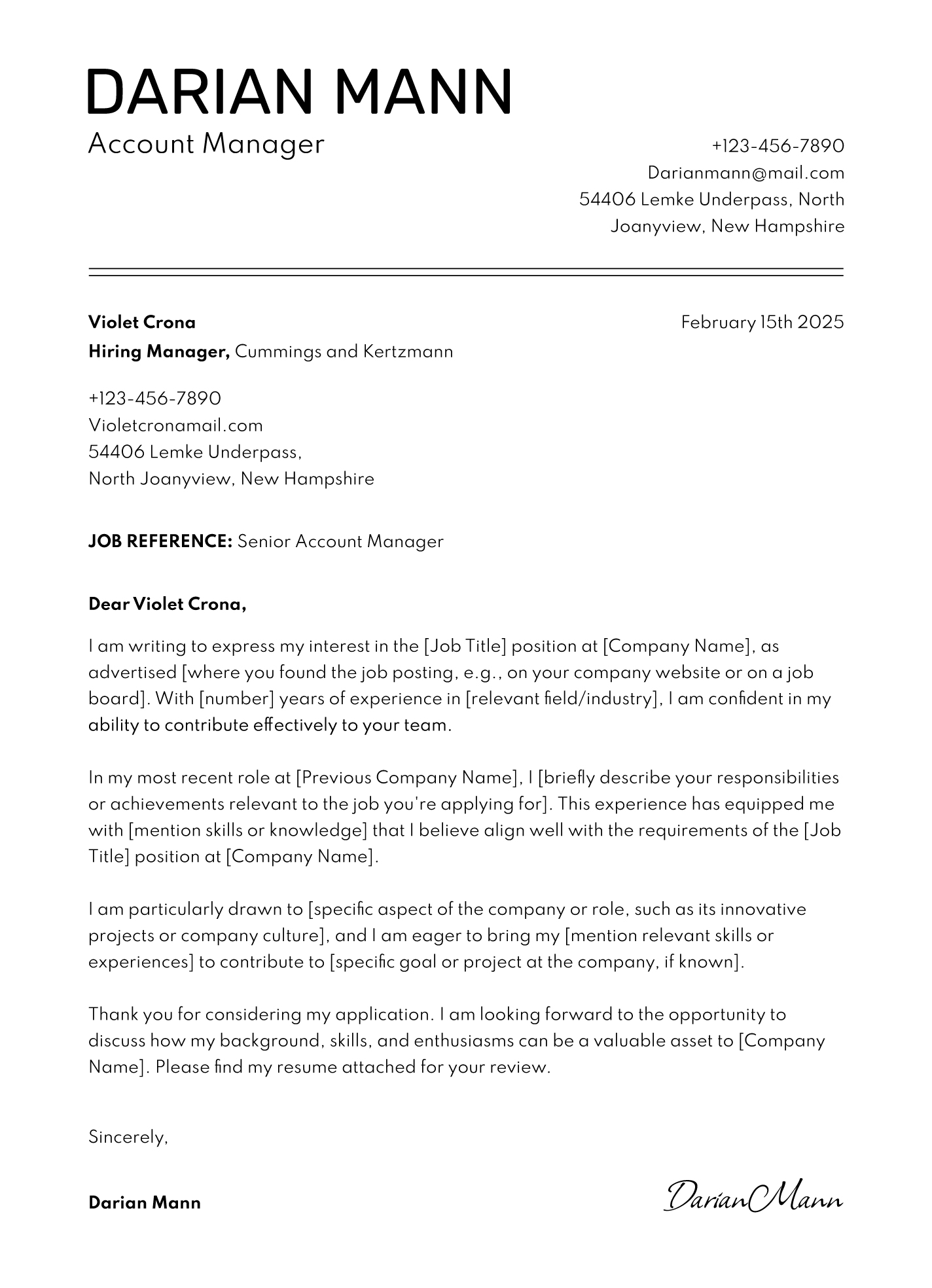
Crafting Your Career Narrative: How to Write a Resume and Cover Letter That Opens Doors
Hey there, future dream job holder! Let’s be real, the job search can feel like navigating a jungle armed with nothing but a dull machete and a questionable map. You’re sending out resumes and cover letters into the abyss, wondering if anyone is even reading them. Maybe you've spent hours tweaking your resume, only to hear crickets. Or perhaps you've stared blankly at a blinking cursor, completely stumped on how to write a cover letter that doesn't sound like every other generic application out there. We've all been there. Think of it like this: your resume and cover letter are your personal marketing campaign. They're not just a list of your past jobs; they're a carefully curated story about who you are, what you've accomplished, and why you're the perfect fit forthatspecific role. Imagine trying to sell a fantastic new gadget, but your advertising materials are boring, generic, and don't highlight the cool features. You wouldn't make many sales, would you? The same goes for your job application! Now, what if I told you that you could transform your resume and cover letter from bland documents into compelling narratives that actually get you noticed? What if you could learn to showcase your unique skills and experiences in a way that makes hiring managers sit up and take notice? Well, you’re in the right place! Stick with me, and we'll unlock the secrets to crafting a winning resume and cover letter that not only land you interviews but also help you secure that dream job you've been eyeing. Ready to ditch the resume-writing stress and start building your path to success? Let's dive in!
Crafting Your Winning Resume and Cover Letter
Friends, securing your dream job boils down to one thing: making a stellar first impression. In today's competitive job market, your resume and cover letter are your digital handshake, your chance to grab a hiring manager's attention in mere seconds. Forget generic templates and cookie-cutter phrases; we're diving deep into how to create documents that showcase your unique value and make you stand out from the crowd. Let's get started!
Resume Revolution: From Mundane to Magnificent
Your resume isn’t just a list of past jobs; it’s a marketing document that highlights your skills and accomplishments. Here’s how to make it shine:
•Choose the Right Format:Ditch the outdated templates! Opt for a clean, modern design that's easy to read. Consider using a chronological format (focusing on your work history), a functional format (emphasizing your skills), or a combination format (blending both). The best choice depends on your experience and the job you're applying for. Remember, the goal is clarity and readability. A visually appealing resume will always have a leg up.
•Craft a Compelling Summary:This is your elevator pitch. In a few concise sentences, highlight your key skills, experience, and career goals. Tailor it to each specific job you're applying for, showcasing why you're the perfect fit. Think of it as the headline of your personal branding campaign. Consider using keywords from the job description to show you understand the role's requirements. For example, if the job description mentions "project management" and "cross-functional collaboration," weave those terms into your summary.
•Quantify Your Accomplishments:Don't just list your responsibilities; showcase your achievements. Use numbers, percentages, and data to demonstrate the impact you made in your previous roles. Instead of saying "Managed social media accounts," say "Increased social media engagement by 30% in six months, resulting in a 15% increase in website traffic." Numbers speak louder than words. Think about using the STAR method (Situation, Task, Action, Result) to structure your accomplishments. This framework helps you tell a clear and impactful story about your contributions.
•Tailor Your Skills Section:Don't just list every skill you've ever acquired. Focus on the skills that are most relevant to the job you're applying for. Review the job description carefully and identify the key skills they're looking for. Include both hard skills (technical skills) and soft skills (interpersonal skills). Use keywords from the job description to show you understand the role's requirements. For example, if the job description mentions "data analysis" and "communication skills," make sure those are prominently featured in your skills section.
•Optimize for Applicant Tracking Systems (ATS):Many companies use ATS to screen resumes. To ensure your resume gets past the bots, use keywords from the job description, avoid using tables and graphics, and submit your resume in a compatible format (like PDF or Word). Research the specific ATS used by the company you're applying to and tailor your resume accordingly. There are many online tools that can help you optimize your resume for ATS.
•Proofread, Proofread, Proofread:Nothing screams "unprofessional" like typos and grammatical errors. Have a friend or colleague review your resume before you submit it. Use online grammar and spell-checking tools to catch any mistakes you might have missed. A polished resume shows attention to detail and professionalism.
Cover Letter Charm: Making a Lasting Impression
Think of your cover letter as your personal introduction, a chance to explain why you're excited about the job and how your skills and experience align with the company's needs.
•Personalize Your Greeting:Ditch the generic "To Whom It May Concern." Do your research and find the hiring manager's name. A personalized greeting shows you've taken the time to learn about the company and the role. Linked In is your friend here! A little effort goes a long way.
•Craft a Compelling Opening:Grab the reader's attention from the first sentence. Mention something specific that impressed you about the company or the role. Show your enthusiasm and genuine interest. Start with a hook. Instead of saying "I am writing to express my interest in the position," try something like "I was thrilled to see your opening for [Job Title] at [Company Name], as I have long admired your innovative approach to [Industry]."
•Highlight Your Key Skills and Experience:Don't just repeat your resume. Instead, tell a story about how your skills and experience align with the company's needs. Provide specific examples of how you've solved problems and achieved results in your previous roles. Use the STAR method to structure your examples. Remember, the cover letter is your chance to showcase your personality and communication skills.
•Showcase Your Passion and Enthusiasm: Let your personality shine through! Express your genuine interest in the company and the role. Explain why you're excited about the opportunity and how you can contribute to their success. Hiring managers want to see that you're passionate about the work and that you're a good fit for their company culture.
•Call to Action:End your cover letter with a clear call to action. Express your eagerness to learn more about the opportunity and request an interview. Thank the hiring manager for their time and consideration. A strong call to action shows confidence and initiative. For example, "I am eager to learn more about this exciting opportunity and discuss how my skills and experience can contribute to your team's success. Thank you for your time and consideration. I look forward to hearing from you soon."
•Proofread, Proofread, Proofread (Again!):Just like your resume, your cover letter must be free of typos and grammatical errors. Have a friend or colleague review it before you submit it. Use online grammar and spell-checking tools to catch any mistakes you might have missed. A polished cover letter shows attention to detail and professionalism.
Beyond the Basics: Elevating Your Application
Now that we've covered the fundamentals, let's explore some advanced strategies to make your application truly stand out:
•Network, Network, Network:Don't just rely on online job boards. Reach out to your network, attend industry events, and connect with people who work at the companies you're interested in. Networking can open doors that you never knew existed. Informational interviews are a great way to learn more about a company and make a connection with someone who can potentially advocate for you.
•Customize Your Application:Tailor your resume and cover letter to each specific job you're applying for. Research the company, understand their values, and highlight the skills and experience that are most relevant to the role. Generic applications are easily ignored. Show that you've done your homework and that you're genuinely interested in the opportunity.
•Build Your Online Presence:Create a professional Linked In profile that showcases your skills and experience. Share relevant articles and engage with other professionals in your field. A strong online presence can help you get noticed by recruiters and hiring managers. Think of your Linked In profile as your online resume. Make sure it's up-to-date and accurately reflects your skills and experience.
•Practice Your Interview Skills:Once you land an interview, be prepared to answer common interview questions. Practice your answers out loud and get feedback from a friend or career coach. The more prepared you are, the more confident you'll feel during the interview. Remember the STAR method for behavioral questions.
•Follow Up:After submitting your application and after your interview, follow up with the hiring manager to express your continued interest in the role. A thank-you note shows your appreciation and helps you stay top of mind. A simple email can go a long way.
Frequently Asked Questions
Let's tackle some common questions about resume and cover letter writing:
•Question:How long should my resume be?
Answer: Ideally, your resume should be one to two pages long. Focus on the most relevant information and avoid including unnecessary details. Quality over quantity!
•Question:Should I include a photo on my resume?
Answer: In most cases, it's best to avoid including a photo on your resume, especially in the United States. Some countries have different customs, so research the local practices before including a photo.
•Question:What if I don't have much experience?
Answer: Focus on your skills, education, and volunteer experience. Highlight any projects you've worked on and demonstrate your willingness to learn. Emphasize your transferable skills and your enthusiasm for the role.
•Question:Should I mention my salary expectations in my cover letter?
Answer: It's generally best to avoid mentioning your salary expectations in your cover letter, unless specifically requested by the employer. This is a topic best discussed during the interview process.
The Final Word
So, friends, we've journeyed through the ins and outs of crafting a resume and cover letter that not only gets you noticed but also positions you as the undeniable top candidate for your dream job. Remember, your resume and cover letter are your personal branding tools. They're your opportunity to tell your story, showcase your skills, and demonstrate your value to potential employers. Forget the cookie-cutter approaches and embrace your unique qualities. Quantify your accomplishments with data, tailor your application to each specific role, and let your personality shine through in your cover letter. Network like a pro, build your online presence, and practice your interview skills. Most importantly, never give up on your dream job. The job market can be challenging, but with the right tools and strategies, you can achieve your career goals. Now, it's time to put these tips into action and create a resume and cover letter that will open doors to your dream job! Take the first step today and start crafting your compelling career narrative. What are you waiting for? Your dream job awaits! Go get it! What exciting career adventure are you planning to embark on?

Post a Comment for "How to Write a Winning Resume and Cover Letter: Landing Your Dream Job"
Post a Comment