The Benefits of Project-Based Learning: Developing Real-World Skills
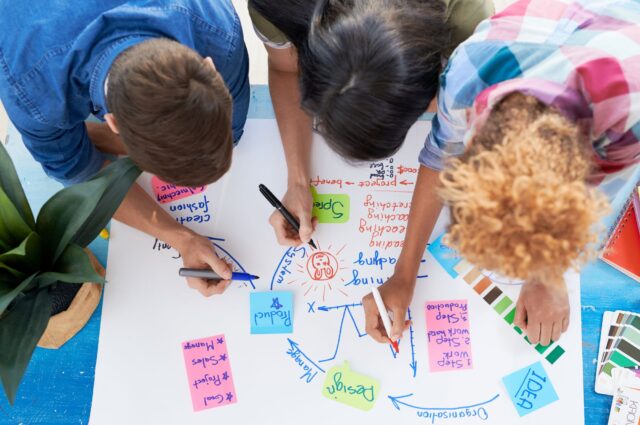
Igniting Minds: Unleashing Potential Through Project-Based Learning.
Hey there, fellow learners and curious minds!
Ever feel like traditional schooling is like trying to fit a square peg into a round hole? You're sitting there, absorbing information, regurgitating facts for a test, and then...poof! It vanishes from your brain faster than free pizza at a tech conference. We've all been there, right? It's like learning a language only to forget it the moment you step off the plane. The problem isn’t necessarily the information itself, but often thewayit's delivered.
Think back to your own school days. Remember that one project – the one that actually made youthink, the one where you got tobuildsomething,designsomething,presentsomething that mattered? That, my friends, was probably a taste of Project-Based Learning (PBL). And trust me, it's a whole different ballgame.
Instead of memorizing dates in history or formulas in math, PBL throws you into real-world scenarios. You’re not just learning; you’redoing. Imagine designing a sustainable city, creating a marketing campaign for a local business, or building a robot that solves a real-world problem. Suddenly, those dates in history and those math formulas becomerelevant. They're not just abstract concepts anymore; they're tools you need to achieve a goal.
Now, I know what some of you might be thinking: "Sounds great, but is it just another educational fad?" Well, let me tell you, PBL has been around for a while, and it's backed by a mountain of research. Studies show that students in PBL environments develop stronger critical thinking skills, become more engaged in their learning, and are better prepared for the challenges of the 21st century workforce. We are talking about creating active learners, not passive receptacles of knowledge.
We're living in a world that's changing faster than a Tik Tok trend. The skills that were valued yesterday might be obsolete tomorrow. So, how do we prepare students for a future that's uncertain? The answer, I believe, lies in fostering adaptability, creativity, and problem-solving skills – qualities that PBL nurtures like a master gardener tending to precious seedlings.
Think about it: What good is knowing a bunch of facts if you can't apply them to real-world problems? What good is a degree if you lack the ability to collaborate, communicate effectively, and think critically? These are the skills that employers are desperately seeking, and these are the skills that PBL cultivates.
But wait, there's more! (Cue the infomercial music). PBL isn't just about acquiring skills; it's also about fostering a love of learning. When students are given the autonomy to choose their projects, to explore their interests, and to make mistakes along the way, they become intrinsically motivated. They learn because theywantto learn, not because theyhaveto learn. And that, my friends, is a game-changer.
So, are you ready to dive deeper into the world of PBL and discover how it can transform education and prepare students for a brighter future? Stick around, because we're about to unpack the incredible benefits of this powerful learning approach!
Unlocking Potential: The Transformative Power of Project-Based Learning
Project-Based Learning (PBL) is more than just a classroom activity; it's a pedagogical philosophy that puts students at the center of their learning experience. It’s a shift from passively receiving information to actively constructing knowledge through engaging, real-world projects. Let’s explore the myriad benefits that PBL offers, transforming students into capable, confident, and future-ready individuals.
Cultivating Critical Thinking and Problem-Solving Skills
In today's rapidly evolving world, the ability to think critically and solve complex problems is paramount. PBL provides a fertile ground for nurturing these essential skills. Here's how:
- Real-World Scenarios: PBL projects are rooted in authentic, real-world problems that demand students to analyze situations, evaluate information, and develop innovative solutions. For example, students might be tasked with designing a sustainable transportation system for their city, requiring them to research urban planning, environmental impact, and economic feasibility. This is not just theoretical knowledge; it’s applied learning in action.
- Collaborative Problem-Solving: Most PBL projects involve teamwork, forcing students to collaborate, negotiate, and share ideas. This collaborative environment encourages diverse perspectives and helps students learn from each other. Imagine a group of students designing a mobile app to address a local community issue. They’ll need to brainstorm ideas, assign roles, resolve conflicts, and ultimately create a product that reflects the collective effort of the team.
- Iterative Design Process: PBL emphasizes the iterative design process, where students learn from their mistakes and continuously refine their solutions. This process fosters resilience, adaptability, and a growth mindset. Think of students building a prototype for a new type of water filter. They’ll likely encounter challenges, setbacks, and failures along the way. But through each iteration, they’ll learn valuable lessons, improve their design, and ultimately create a more effective solution.
Boosting Engagement and Motivation
One of the most significant benefits of PBL is its ability to ignite student engagement and motivation. When students are genuinely interested in their projects, learning becomes a joyful and rewarding experience. Consider these points:
- Student Choice and Autonomy: PBL often allows students to choose their projects based on their interests and passions. This sense of autonomy fosters a deeper connection to the learning process. For instance, a student passionate about environmental conservation might choose to create a project focused on reducing plastic waste in their school or community. When students are invested in their projects, they're more likely to be engaged and motivated.
- Relevance and Meaningfulness: PBL projects are typically designed to address real-world issues that students can relate to. This relevance makes learning more meaningful and purposeful. Imagine students working on a project to combat food insecurity in their local community. They're not just learning about statistics and social issues; they're making a tangible difference in the lives of others.
- Authentic Audience and Feedback: PBL projects often involve presenting work to an authentic audience, such as community members, experts in the field, or even potential clients. This feedback provides students with valuable insights and reinforces the importance of their work. Students presenting their sustainable transportation system design to city planners, for example, will receive real-world feedback that can help them refine their ideas and improve their presentation skills.
Developing Communication and Collaboration Skills
In today's interconnected world, effective communication and collaboration are essential for success in any field. PBL provides ample opportunities for students to hone these crucial skills:
- Oral and Written Communication: PBL projects often require students to present their findings, write reports, and create multimedia presentations. These activities help them develop their oral and written communication skills. Imagine students creating a documentary film about a local historical landmark. They'll need to conduct interviews, write scripts, edit footage, and present their work to an audience.
- Teamwork and Leadership: PBL projects typically involve working in teams, which allows students to develop their teamwork and leadership skills. They learn how to delegate tasks, manage conflicts, and work collaboratively towards a common goal. Consider a group of students organizing a fundraising event for a local charity. They'll need to assign roles, coordinate activities, and communicate effectively to ensure the event is a success.
- Active Listening and Empathy: PBL encourages active listening and empathy, as students need to understand and respond to the perspectives of their teammates and their audience. This fosters a more inclusive and collaborative learning environment. Students interviewing community members about their experiences with food insecurity, for example, will need to listen attentively, ask thoughtful questions, and empathize with their interviewees.
Fostering Creativity and Innovation
In a rapidly changing world, creativity and innovation are highly valued skills. PBL encourages students to think outside the box, experiment with new ideas, and develop innovative solutions:
- Open-Ended Problems: PBL projects often present students with open-ended problems that have no single right answer. This encourages them to explore different approaches, take risks, and think creatively. Students designing a new type of eco-friendly packaging, for example, will need to consider various materials, designs, and production methods.
- Design Thinking Process: PBL often incorporates the design thinking process, which encourages students to empathize, define, ideate, prototype, and test their solutions. This iterative process fosters creativity and innovation. Students developing a mobile app to improve mental health, for example, will need to understand the needs of their users, brainstorm innovative features, create prototypes, and test their app with real users.
- Experimentation and Iteration: PBL encourages experimentation and iteration, as students learn from their mistakes and continuously refine their solutions. This process fosters a growth mindset and encourages students to embrace challenges. Students building a robot to perform a specific task, for example, will likely encounter numerous challenges and setbacks. But through each iteration, they'll learn valuable lessons, improve their design, and ultimately create a more effective robot.
Preparing for the 21st-Century Workforce
Ultimately, PBL aims to prepare students for the demands of the 21st-century workforce. By developing critical thinking, communication, collaboration, and creativity skills, PBL equips students with the tools they need to succeed in a rapidly changing world. Here's how:
- Relevant Skills and Knowledge: PBL projects are designed to teach students relevant skills and knowledge that are in demand in the workforce. Students designing a marketing campaign for a local business, for example, will learn about marketing strategies, social media, and data analytics.
- Problem-Solving Mindset: PBL fosters a problem-solving mindset that is highly valued by employers. Students learn how to identify problems, analyze data, and develop innovative solutions. This is a critical skill in any industry.
- Adaptability and Resilience: PBL teaches students how to adapt to change, overcome challenges, and persevere in the face of adversity. These qualities are essential for success in a constantly evolving work environment.
Project-Based Learning in Action: Real-World Examples
To further illustrate the benefits of PBL, let's explore some real-world examples of how it's being implemented in schools and communities around the world:
- The High Tech High Model: High Tech High is a network of charter schools in California that is renowned for its innovative PBL approach. Students at High Tech High work on challenging, interdisciplinary projects that connect learning to real-world issues. For example, students might design and build a sustainable house, create a documentary film about a social justice issue, or develop a business plan for a local startup.
- The Expeditionary Learning Model: Expeditionary Learning is a school reform model that emphasizes hands-on learning, outdoor exploration, and community engagement. Students in Expeditionary Learning schools participate in "expeditions," which are in-depth, interdisciplinary projects that connect learning to real-world issues. For example, students might conduct a scientific study of a local river, create a public art installation, or organize a community service project.
- The New Tech Network Model: The New Tech Network is a network of schools that focuses on PBL, technology integration, and a culture of trust and respect. Students in New Tech Network schools work on challenging, real-world projects that require them to collaborate, communicate, and think critically. For example, students might design a mobile app to address a local community issue, create a marketing campaign for a local business, or develop a prototype for a new product.
Implementing Project-Based Learning: A Practical Guide
If you're interested in implementing PBL in your own classroom or school, here are some practical tips to get you started:
- Start Small: Don't try to overhaul your entire curriculum overnight. Start with a single project and gradually incorporate PBL into other areas of your teaching.
- Choose Meaningful Projects: Select projects that are relevant to your students' interests and that address real-world issues.
- Provide Clear Expectations: Clearly define the learning objectives, assessment criteria, and timeline for each project.
- Facilitate, Don't Dictate: Act as a facilitator, guiding students through the learning process rather than dictating every step.
- Encourage Collaboration: Create a classroom environment that fosters collaboration, communication, and mutual respect.
- Provide Regular Feedback: Provide students with regular feedback on their progress, both individually and as a team.
- Celebrate Success: Celebrate student accomplishments and showcase their work to the wider community.
Overcoming Challenges in Project-Based Learning
While PBL offers numerous benefits, it's important to acknowledge that it also presents certain challenges. Here are some common challenges and strategies for overcoming them:
- Time Management: PBL projects can be time-consuming, requiring careful planning and management. To address this challenge, break down projects into smaller, manageable tasks, and provide students with a clear timeline and regular check-ins.
- Assessment: Assessing student learning in PBL can be complex, as it requires evaluating not only the final product but also the process and the skills that students have developed. To address this challenge, use a variety of assessment methods, such as rubrics, portfolios, and presentations.
- Classroom Management: Managing a PBL classroom can be challenging, as students are often working independently or in small groups. To address this challenge, establish clear expectations for behavior and collaboration, and provide students with opportunities to take ownership of their learning.
- Resource Availability: PBL projects may require access to resources that are not readily available in the classroom. To address this challenge, partner with local businesses, community organizations, and parents to secure the necessary resources.
The Future of Project-Based Learning
As the world continues to evolve, the importance of PBL will only continue to grow. As technology advances and the demands of the workforce change, PBL will become increasingly essential for preparing students for success. Here are some trends that are shaping the future of PBL:
- Technology Integration: Technology is playing an increasingly important role in PBL, as students use digital tools to research, collaborate, and create. From virtual reality to artificial intelligence, technology is opening up new possibilities for PBL projects.
- Personalized Learning: PBL is becoming increasingly personalized, as educators tailor projects to meet the individual needs and interests of each student. This allows students to pursue their passions and develop their unique talents.
- Global Collaboration: PBL is increasingly connecting students with learners around the world, allowing them to collaborate on projects that address global challenges. This fosters a sense of global citizenship and promotes cross-cultural understanding.
By embracing these trends, we can ensure that PBL continues to empower students to become critical thinkers, creative problem-solvers, and engaged citizens who are prepared to thrive in the 21st century.
Frequently Asked Questions
Let's tackle some common questions about Project-Based Learning:
Q: Is PBL only for advanced students?
A: Not at all! PBL can be adapted for students of all levels and abilities. The key is to choose projects that are appropriate for the students' developmental stage and learning needs. Scaffolding and differentiated instruction can be used to support students who need extra help.
Q: How is PBL different from traditional projects?
A: Traditional projects often focus on rote memorization and regurgitation of facts, while PBL projects emphasize critical thinking, problem-solving, and application of knowledge. PBL projects are typically more in-depth, interdisciplinary, and connected to real-world issues.
Q: How do you assess student learning in PBL?
A: Assessment in PBL should be multifaceted, including rubrics, portfolios, presentations, and self-reflection. The focus should be on evaluating not only the final product but also the process and the skills that students have developed. Formative assessment should be used throughout the project to provide students with feedback and guidance.
Q: How can I convince my school or district to adopt PBL?
A: Start by showcasing the benefits of PBL through research, case studies, and student work. Pilot a PBL project in your own classroom and share your results with colleagues and administrators. Build a coalition of teachers and parents who are passionate about PBL and advocate for its implementation at the school or district level.
In conclusion, Project-Based Learning is more than just a teaching method; it's a transformative approach to education that empowers students to become active learners, critical thinkers, and creative problem-solvers. By connecting learning to real-world issues and providing students with opportunities to collaborate, communicate, and innovate, PBL prepares them for the challenges and opportunities of the 21st century. So, let's embrace PBL and unlock the full potential of our students!
Alright, friends, we've journeyed through the exciting world of Project-Based Learning, uncovering its potential to revolutionize education and equip our students with essential real-world skills.
Now, it's your turn! Take what you've learned today and explore how you can incorporate PBL into your own learning environment, whether you're an educator, a parent, or a student. Start small, experiment with different approaches, and most importantly, create engaging and meaningful projects that spark curiosity and ignite a passion for learning.
Remember, the future of education is in our hands. By embracing innovative approaches like PBL, we can empower the next generation to become critical thinkers, creative problem-solvers, and engaged citizens who are ready to shape a brighter future. So go forth and create, innovate, and inspire!
Ready to champion PBL in your community? What's one small step you can take this week to make it happen?

Post a Comment for "The Benefits of Project-Based Learning: Developing Real-World Skills"
Post a Comment