The Importance of Mindfulness and Meditation for Students: Reducing Stress and Enhancing Focus
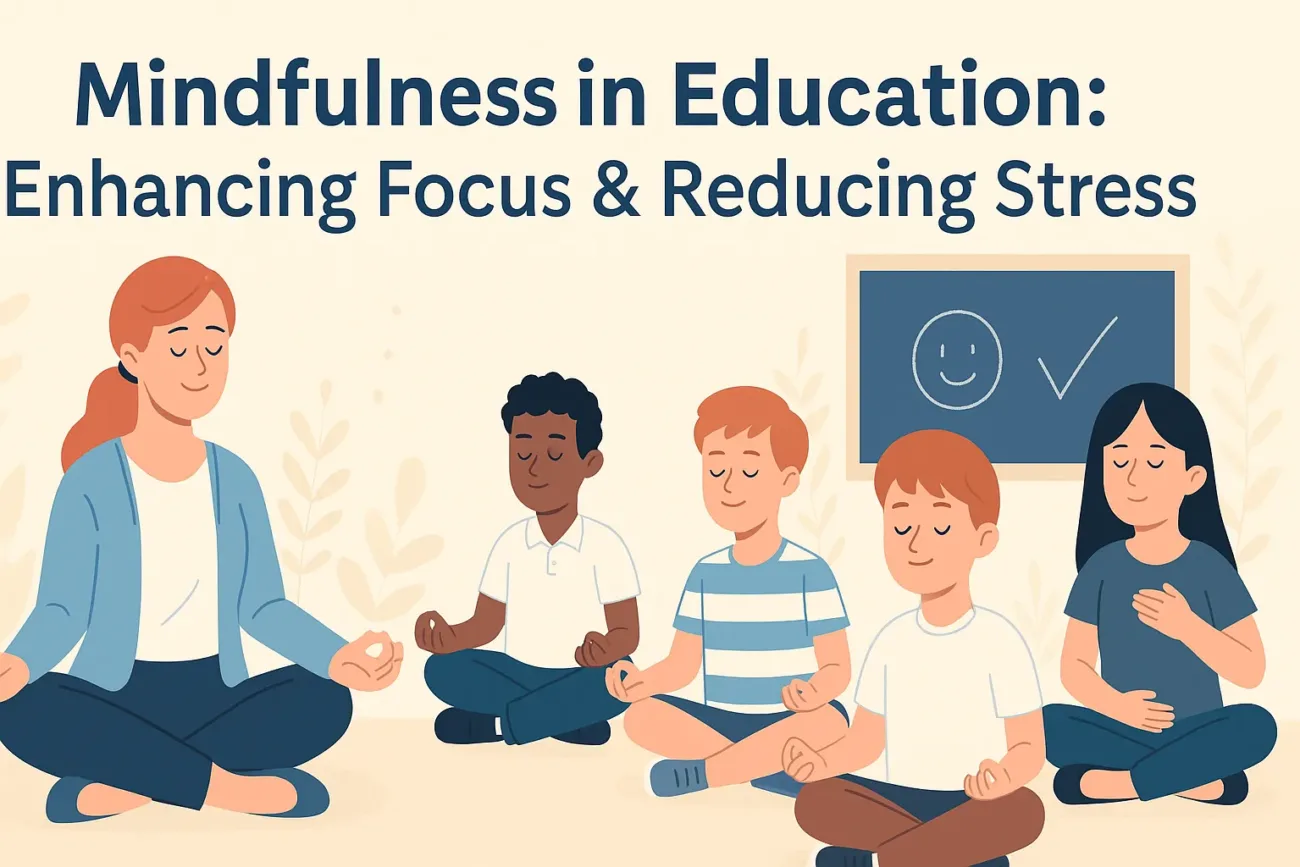
Unlock Your Potential: Mindfulness and Meditation for Student Success
Hey there, fellow students! Ever feel like you're drowning in a sea of textbooks, deadlines, and that constant pressure to succeed? We've all been there. Picture this: you're crammed into a tiny dorm room, fueled by instant noodles and sheer willpower, trying to absorb a semester's worth of information the night before a big exam. Your heart's pounding, your mind's racing, and you can't seem to focus on anything. Sound familiar? It's like your brain is a web browser with a million tabs open, each vying for your attention.
Or maybe you're trying to write that crucial essay, the one that could make or break your grade. You stare at the blank screen, the cursor blinking mockingly, and…nothing. Writer's block hits harder than a caffeine crash. You start questioning your life choices, wondering if you should have just become a professional dog walker instead. (No offense to dog walkers, it's a noble profession!). You feel totally overwhelmed, unable to concentrate, and desperately wishing there was a magic button to make it all go away.
These feelings of stress, anxiety, and lack of focus are incredibly common among students. The academic world can be a pressure cooker, demanding peak performance at all times. But what if I told you there was a simple, effective way to combat these challenges? A way to quiet the noise, sharpen your focus, and unlock your full potential? What if the key to academic success was already within you, waiting to be discovered?
The answer, my friends, lies in the power of mindfulness and meditation. I know, I know, it might sound a bit "woo-woo" or like something reserved for monks in secluded monasteries. But trust me, mindfulness and meditation are not just for the spiritually enlightened. They are practical, evidence-based tools that can help you navigate the stresses of student life and thrive academically. Think of it as a mental workout, strengthening your focus muscle and building resilience against stress.
So, are you ready to ditch the frantic all-nighters, conquer your anxiety, and unlock your inner academic ninja? Keep reading, and we'll explore how mindfulness and meditation can transform your student experience. We'll delve into the science behind these practices, provide practical tips for incorporating them into your daily routine, and debunk some common misconceptions along the way. Get ready to discover a calmer, more focused, and more successful you!
The Power of Presence: Understanding Mindfulness
Let's kick things off by understanding what mindfulness truly means. It's often thrown around, but its essence is simple: paying attention to the present moment, without judgment. Think of it as hitting the "pause" button on your mental chatter and truly observing what's happening right now, both inside and outside of you.
We're constantly bombarded with thoughts, worries, and distractions that pull us away from the present. Mindfulness is about gently guiding your attention back to the here and now, whether it's focusing on your breath, the sensation of your feet on the floor, or the taste of your morning coffee. It's about noticing your thoughts and feelings without getting swept away by them.
Mindfulness isn't about emptying your mind completely; that's virtually impossible. It's about acknowledging your thoughts and feelings without getting caught up in them. It's like watching clouds drift across the sky – you observe them without trying to stop them or change them. This simple act of observation can be incredibly powerful in reducing stress and improving focus.
Benefits of Mindfulness for Students
So, why should you, a busy student, care about mindfulness? Well, the benefits are numerous and directly relevant to your academic success and overall well-being.
- Reduced Stress and Anxiety: Mindfulness helps regulate the body's stress response by activating the parasympathetic nervous system, often called the "rest and digest" system. This can lower your heart rate, blood pressure, and levels of cortisol, the stress hormone. Think of it as a natural chill pill, helping you stay calm and collected even during the most challenging times. Recent studies show that students who practice mindfulness regularly report significantly lower levels of anxiety and stress, especially during exam periods.
- Improved Focus and Concentration: By training your mind to stay present, mindfulness strengthens your ability to focus on the task at hand. It reduces mind-wandering, that annoying habit of your thoughts drifting off to unrelated topics. This can lead to increased productivity, better comprehension, and improved academic performance. Imagine being able to study without constantly checking your phone or getting distracted by social media. That's the power of mindful focus!
- Enhanced Emotional Regulation: Mindfulness helps you become more aware of your emotions and develop healthier ways of managing them. Instead of reacting impulsively to difficult emotions, you can learn to observe them with curiosity and compassion. This can lead to improved relationships, greater self-awareness, and increased resilience in the face of challenges. It’s about understanding your emotional triggers and developing coping mechanisms to navigate difficult situations with greater ease.
- Increased Self-Awareness: Mindfulness fosters a deeper understanding of yourself, your thoughts, feelings, and motivations. This self-awareness can lead to better decision-making, improved communication, and a greater sense of purpose. It's about knowing yourself better, understanding your strengths and weaknesses, and making choices that align with your values.
- Better Sleep Quality: A racing mind can make it difficult to fall asleep and stay asleep. Mindfulness practices, such as body scans and mindful breathing, can help calm the mind and relax the body, leading to improved sleep quality. Getting enough sleep is crucial for academic performance, cognitive function, and overall well-being. Think of mindfulness as a natural sleep aid, helping you drift off to sleep peacefully and wake up feeling refreshed.
Meditation: Your Mental Gym
Meditation is a powerful tool for cultivating mindfulness. It's a practice that involves training your mind to focus and redirect your thoughts. There are many different types of meditation, but the core principle remains the same: bringing awareness to the present moment.
Think of meditation as a mental workout. Just like you need to exercise your body to stay physically fit, you need to exercise your mind to stay mentally fit. Meditation strengthens your attention span, improves your ability to focus, and reduces mental clutter.
Different Types of Meditation for Students
The great thing about meditation is that there's a type for everyone. Here are a few popular options:
- Mindful Breathing Meditation: This is a simple yet effective technique that involves focusing on your breath. Pay attention to the sensation of the air entering and leaving your body. When your mind wanders, gently guide your attention back to your breath. You can do this anywhere, anytime, making it a perfect practice for busy students.
- Body Scan Meditation: This practice involves bringing awareness to different parts of your body, noticing any sensations without judgment. Start with your toes and gradually work your way up to the top of your head. This can help you release tension, improve body awareness, and promote relaxation.
- Loving-Kindness Meditation: This meditation involves cultivating feelings of love, compassion, and kindness towards yourself and others. You start by directing these feelings towards yourself, then gradually extend them to loved ones, acquaintances, and even difficult people. This practice can foster greater empathy, reduce negativity, and improve your relationships.
- Walking Meditation: This involves bringing awareness to the sensations of walking. Pay attention to the feeling of your feet on the ground, the movement of your body, and the rhythm of your breath. This is a great way to combine exercise with mindfulness and enjoy the outdoors.
- Guided Meditation: These are meditations led by a teacher, either in person or through recordings. They can be a great option for beginners, providing structure and guidance as you learn to meditate. There are many free guided meditations available online, covering a wide range of topics and techniques.
Practical Tips for Incorporating Mindfulness and Meditation into Your Student Life
Okay, so you're convinced that mindfulness and meditation are worth a try. But how do you actually fit these practices into your already jam-packed schedule? Here are a few practical tips:
- Start Small: You don't need to meditate for hours to experience the benefits. Even just 5-10 minutes a day can make a difference. Start with a short guided meditation or a simple mindful breathing exercise. As you get more comfortable, you can gradually increase the duration.
- Find a Quiet Space: Choose a place where you can sit or lie down comfortably without being disturbed. This could be your dorm room, a library, or even a park bench. The key is to find a space where you feel safe and relaxed.
- Set a Routine: Consistency is key. Try to meditate at the same time each day, even if it's just for a few minutes. This will help you establish a habit and make mindfulness a regular part of your life. Maybe it’s right after you wake up, or before you go to bed. Find what works best for you.
- Use Technology to Your Advantage: There are countless mindfulness and meditation apps available that can guide you through various practices. Some popular options include Headspace, Calm, and Insight Timer. These apps offer guided meditations, breathing exercises, and other tools to help you cultivate mindfulness.
- Be Patient and Kind to Yourself: Mindfulness and meditation are skills that take time and practice to develop. Don't get discouraged if your mind wanders or if you have difficulty focusing. Just gently redirect your attention back to the present moment, and remember to be kind to yourself.
- Incorporate Mindfulness into Everyday Activities: You don't have to sit down and meditate to practice mindfulness. You can bring mindfulness to any activity, such as eating, walking, or even washing dishes. Pay attention to the sensations, the sights, the sounds, and the smells. This will help you stay present and reduce stress throughout the day. Try mindful eating by savoring each bite, noticing the textures and flavors of your food.
- Mindful Study Breaks: Instead of scrolling through social media during your study breaks, take a few minutes to practice mindful breathing or body scan meditation. This will help you recharge your mind and improve your focus. Even a few deep breaths can make a significant difference in your concentration and energy levels.
Common Misconceptions About Mindfulness and Meditation
Before we wrap up, let's address some common misconceptions about mindfulness and meditation:
- "It's too difficult." Mindfulness and meditation are simpler than you think. It's about paying attention to the present moment, without judgment. Anyone can do it, regardless of their background or experience.
- "It takes too much time." You don't need to meditate for hours to experience the benefits. Even just a few minutes a day can make a difference.
- "It's only for spiritual people." Mindfulness and meditation are secular practices that can benefit anyone, regardless of their religious beliefs.
- "It's about emptying your mind." Mindfulness is not about emptying your mind completely. It's about acknowledging your thoughts and feelings without getting caught up in them.
- "It's a quick fix." Mindfulness and meditation are not a magic bullet that will solve all your problems overnight. They are skills that take time and practice to develop.
Frequently Asked Questions
Here are some frequently asked questions about mindfulness and meditation for students:
Question 1: I have a really hard time sitting still and quieting my mind. Is mindfulness even possible for me?
Answer: Absolutely! It’s a common misconception that you need to have a completely empty mind for mindfulness to work. The point isn't to stop thoughts altogether, but to acknowledge them and gently redirect your attention back to your chosen focus, like your breath. Start with short sessions (even 2-3 minutes) and be patient with yourself. There are also active forms of mindfulness, like walking meditation, which might be a better fit for you.
Question 2: I’m already swamped with coursework. How can I possibly find time for meditation?
Answer: Think of mindfulness not as another task to add to your list, but as a tool to make everything else more efficient. Even 5-10 minutes a day can significantly improve your focus, reduce stress, and boost your productivity. Try incorporating mini-mindfulness breaks throughout your day – a minute of deep breathing before a lecture, or mindful walking between classes. You might be surprised at how much time you actually save by being more focused and less stressed.
Question 3: What if I start feeling anxious or uncomfortable during meditation?
Answer: It's perfectly normal to experience uncomfortable emotions during meditation. The key is to acknowledge these feelings without judgment. Don't try to suppress them or push them away. Simply observe them, like you would observe any other thought or sensation. If the feelings become overwhelming, you can always stop the meditation and try again later. You can also try focusing on your breath or doing a body scan to ground yourself.
Question 4: Are there any resources or apps you recommend for students who want to learn more about mindfulness?
Answer: Absolutely! There are tons of fantastic resources available. Apps like Headspace, Calm, and Insight Timer are great for guided meditations and mindfulness exercises. Many universities also offer mindfulness workshops or classes for students. You can also find books and articles online that delve deeper into the science and practice of mindfulness. Experiment with different resources and find what works best for you.
You've reached the end of our exploration into the powerful world of mindfulness and meditation for students. Let's quickly recap what we've covered. We discussed what mindfulness is, why it's important for students struggling with stress and focus, and how meditation can be a valuable tool for cultivating mindfulness. We also explored different types of meditation, provided practical tips for incorporating these practices into your busy student life, and debunked some common misconceptions.
Now, it's time to take action! Why not commit to trying one small mindfulness exercise today? Maybe it's a five-minute mindful breathing meditation, a body scan while you're waiting for the bus, or simply savoring your next meal without distractions. The key is to start small and be consistent. Remember, even a few minutes of mindfulness each day can make a significant difference in your stress levels, focus, and overall well-being.
So, are you ready to unlock your full potential and embrace a more mindful and fulfilling student experience? What small step will you take today to incorporate mindfulness into your daily routine?

Post a Comment for "The Importance of Mindfulness and Meditation for Students: Reducing Stress and Enhancing Focus"
Post a Comment