The Power of "Gratitude": Cultivating a Positive Mindset
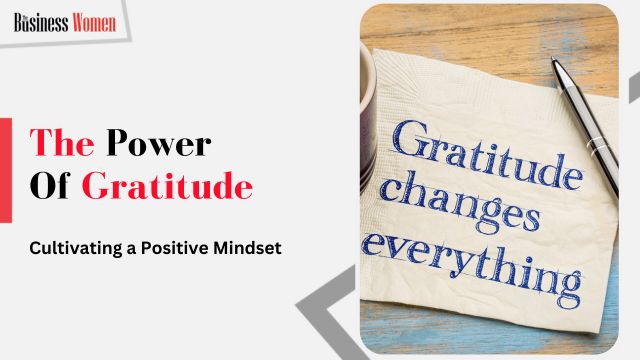
Unlock Your Joy: The Power of Gratitude
Hey there, friend! Ever feel like you're stuck in a rut, constantly chasing the next big thing without really enjoying the "now"? We've all been there. It's like being on a treadmill, endlessly running but never actually arriving. You scroll through social media, seeing everyone else’s highlight reel, and suddenly, your own life feels…less than. The pressure to achieve, to acquire, to be "perfect" in every way is immense, isn't it? It’s a constant barrage that can leave you feeling drained, unfulfilled, and maybe even a little bit grumpy. But what if I told you there was a simple, yet incredibly powerful tool to combat this negativity and cultivate a more joyful, fulfilling life? A tool that's free, readily available, and scientifically proven to work? Sounds too good to be true? Well, it's not. It's called gratitude.
Now, I know what you might be thinking. "Gratitude? That sounds a bit...woo-woo." Or maybe you're picturing some overly cheerful person spouting platitudes about being thankful for everything, even when things are clearly terrible. But hold on a second. Gratitude isn't about ignoring the bad stuff or pretending everything is perfect. It's about consciously acknowledging and appreciating the good things in your life, big or small. It's about shifting your focus from what you lack to what you already have. Think of it as a mental reset button, a way to reframe your perspective and appreciate the beauty that often gets lost in the daily grind. And trust me, there's always something to be grateful for, even on the toughest days. Maybe it's the warmth of the sun on your skin, the laughter of a child, a delicious cup of coffee, or even just the fact that you woke up this morning.
We live in a world obsessed with more.More money, more success, more followers, more…stuff. And while ambition and striving for improvement are definitely good things, this constant focus on the future can rob us of the present moment. We become so fixated on what we want that we forget to appreciate what we already have. This is where gratitude comes in as a powerful antidote. It helps us break free from the cycle of wanting and appreciate the abundance that already surrounds us. A study by Harvard Medical School found that gratitude is strongly and consistently associated with greater happiness. Grateful people experience more positive emotions, feel more alive, sleep better, express more compassion and kindness, and even have stronger immune systems. It’s like a super-vitamin for your mental and physical health!
But let's be real, sometimes finding things to be grateful for can feel like searching for a needle in a haystack, especially when life throws you a curveball. You lost your job, your relationship ended, or you're dealing with a serious illness. In those moments, gratitude might seem like the last thing on your mind. And that's okay. It's not about forcing yourself to be happy when you're not. It's about acknowledging the difficult emotions while also recognizing that even in the midst of hardship, there's still something to be grateful for. Maybe it's the support of your friends and family, the strength you're discovering within yourself, or the simple act of breathing. Even the smallest things can make a difference. Remember, gratitude is a practice, not a destination. It's something you cultivate over time, like a muscle you strengthen with regular use.
So, how do you actually start incorporating gratitude into your daily life? Well, that's exactly what we're going to explore in this article. We'll delve into the science behind gratitude, explore practical techniques for cultivating a grateful mindset, and discover how gratitude can transform your relationships, your career, and your overall well-being. We'll look at some real-life examples of how gratitude has helped people overcome adversity and achieve extraordinary things. Get ready to discover the incredible power of gratitude and unlock a more joyful, fulfilling, and meaningful life. Are you ready to start your journey to a more grateful you?
The Science-Backed Benefits of Gratitude
Before we jump into the how-tos of cultivating gratitude, let's take a moment to appreciate the science that backs up its benefits. This isn't just some feel-good fad; researchers have been studying gratitude for years, and the results are pretty compelling. Studies consistently show that practicing gratitude can lead to significant improvements in mental and physical health.
• Boost Your Happiness Levels: Think of gratitude as a natural antidepressant. Studies have shown that expressing gratitude increases levels of dopamine and serotonin, neurotransmitters associated with happiness and well-being. So, a daily dose of gratitude can literally rewire your brain to be more positive. Imagine that – a simple shift in focus that leads to a lasting change in your overall happiness!
• Improve Your Physical Health: Grateful people tend to take better care of themselves. They are more likely to exercise, eat healthy, and get enough sleep. A study published in the journal "Personality and Individual Differences" found that grateful individuals reported fewer physical symptoms, such as aches and pains, headaches, and fatigue. Who knew being thankful could translate to fewer sick days?
• Strengthen Your Relationships: Expressing gratitude can significantly enhance your relationships. When you acknowledge and appreciate the people in your life, they feel valued and loved, leading to stronger connections and deeper intimacy. A simple "thank you" can go a long way in fostering positive relationships with your partner, family, friends, and colleagues.
• Reduce Stress and Anxiety: Gratitude can be a powerful buffer against stress and anxiety. By focusing on the positive aspects of your life, you can reduce the impact of negative thoughts and emotions. Studies have shown that gratitude can lower levels of cortisol, the stress hormone, and promote a sense of calm and well-being. So, when you're feeling overwhelmed, take a moment to appreciate what you have, and you might be surprised at how quickly your stress levels decrease.
• Enhance Your Sleep Quality: A grateful heart sleeps better. Research has shown that practicing gratitude can improve sleep quality and duration. By reflecting on the positive things in your life before bed, you can quiet your mind and promote relaxation, leading to a more restful night's sleep. No more tossing and turning – just sweet, grateful dreams.
Practical Ways to Cultivate Gratitude in Your Daily Life
Okay, so we know that gratitude is good for us. But how do we actually make it a part of our daily routine? Here are some simple, practical techniques to help you cultivate a grateful mindset.
• Start a Gratitude Journal: This is probably the most well-known and effective way to practice gratitude. Each day, take a few minutes to write down things you're grateful for. It could be anything from your morning coffee to a supportive friend to a beautiful sunset. The key is to be specific and detailed. Instead of just writing "I'm grateful for my family," write "I'm grateful for my family's unwavering support during a challenging time." Make it a daily ritual, and you'll be amazed at how quickly your perspective shifts.
• Express Gratitude to Others: Don't just think about what you're grateful for; tell people! Expressing your appreciation to others not only makes them feel good but also reinforces your own sense of gratitude. Send a thank-you note, offer a compliment, or simply tell someone how much you appreciate them. It's a win-win situation!
• Practice Gratitude Meditations: There are many guided gratitude meditations available online that can help you focus on and appreciate the good things in your life. These meditations often involve visualizing the things you're grateful for and sending feelings of gratitude out into the world. It's a great way to start your day or unwind before bed.
• Create a Gratitude Jar: Keep a jar or container in a visible place and fill it with notes of gratitude. Whenever something good happens or you feel grateful for something, write it down on a slip of paper and put it in the jar. Then, when you're feeling down or need a reminder of the good things in your life, you can pull out a few notes and read them.
• Take a Gratitude Walk: Go for a walk and consciously look for things to be grateful for in your surroundings. Notice the beauty of nature, the kindness of strangers, or the simple pleasures of everyday life. This is a great way to connect with your environment and appreciate the abundance that surrounds you.
• Use Gratitude Reminders: Set reminders on your phone or computer to prompt you to think about what you're grateful for throughout the day. These reminders can be as simple as a notification that says "What are you grateful for right now?" or a picture of something you appreciate.
• Reframe Negative Thoughts: When you find yourself dwelling on negative thoughts, try to reframe them in a more positive light. Instead of focusing on what's going wrong, focus on what's going right. For example, if you're stuck in traffic, instead of getting frustrated, be grateful for the opportunity to listen to your favorite music or podcast.
Gratitude in Action: Real-Life Examples
To further illustrate the power of gratitude, let's look at some real-life examples of how it has helped people overcome challenges and achieve extraordinary things.
• Overcoming Adversity: A study followed individuals who had experienced significant trauma, such as losing a loved one or surviving a natural disaster. Those who practiced gratitude reported higher levels of resilience and were better able to cope with their grief and loss. Gratitude helped them find meaning and purpose in the midst of their suffering.
• Improving Relationships: A couple struggling with communication and intimacy issues decided to start expressing gratitude to each other on a daily basis. They made a point of acknowledging and appreciating each other's efforts, both big and small. Over time, their communication improved, their bond deepened, and their relationship became stronger and more fulfilling.
• Achieving Success: A young entrepreneur who was struggling to get her business off the ground started practicing gratitude for the opportunities she had, the support she received, and the small victories she achieved along the way. This positive mindset helped her stay motivated, overcome obstacles, and ultimately achieve her goals.
• Boosting Health: A patient battling a chronic illness started keeping a gratitude journal, focusing on the things she was grateful for each day, such as her family, her friends, and her ability to appreciate the small joys in life. This practice helped her manage her pain, improve her mood, and feel more in control of her health.
Common Misconceptions About Gratitude
Now, let's address some common misconceptions about gratitude. It's not always rainbows and unicorns, and it's important to have realistic expectations.
• Gratitude Is About Ignoring Problems: This is a big one. Gratitude isn't about pretending everything is perfect or ignoring the challenges in your life. It's about acknowledging the difficult emotions while also recognizing the good things that are still present.
• Gratitude Is Just a Quick Fix: Gratitude is a practice, not a one-time event. It takes time and effort to cultivate a grateful mindset. Don't expect to see results overnight. Be patient with yourself and keep practicing.
• Gratitude Is Only for Religious People: While gratitude is often associated with religion, it's a universal emotion that can be practiced by anyone, regardless of their beliefs. You don't have to be religious to appreciate the good things in your life.
• Gratitude Is Weak: Some people mistakenly believe that gratitude is a sign of weakness. In reality, it takes strength and courage to be grateful, especially when things are tough. Gratitude is a powerful tool for building resilience and overcoming adversity.
Frequently Asked Questions About Gratitude
Let's answer some frequently asked questions about gratitude to clear up any remaining doubts.
• Q: What if I don't feel grateful?
A: That's okay! Sometimes it's hard to feel grateful, especially when you're going through a difficult time. Start small. Focus on the simple things, like your morning coffee or the warmth of the sun. Even if you don't feel it at first, the act of acknowledging these things can help shift your perspective.
• Q: How much gratitude is too much?
A: There's no such thing as too much gratitude! The more you practice gratitude, the more benefits you'll experience. Just make sure your gratitude is genuine and not forced.
• Q: Is it selfish to be grateful for things that benefit me personally?
A: Not at all! It's perfectly okay to be grateful for things that make your life better. Self-care is important, and acknowledging the things that bring you joy and well-being is a healthy practice.
• Q: Can gratitude help with depression or anxiety?
A: While gratitude is not a substitute for professional treatment, it can be a valuable tool for managing symptoms of depression and anxiety. Studies have shown that practicing gratitude can improve mood, reduce stress, and promote a sense of well-being.
So there you have it, friends. The power of gratitude is undeniable. It's a simple, yet incredibly powerful tool that can transform your life in countless ways. By consciously acknowledging and appreciating the good things in your life, you can boost your happiness, improve your health, strengthen your relationships, and overcome adversity. So, start practicing gratitude today. Keep a gratitude journal, express your appreciation to others, and focus on the positive aspects of your life. You'll be amazed at the difference it makes.
Now, I challenge you to take action. Think of three things you're grateful for right now and write them down. Share them with a friend or family member, or simply reflect on them for a few minutes. Start small, be consistent, and watch as the power of gratitude transforms your life.
Remember, even on the toughest days, there's always something to be grateful for. What will you choose to appreciate today?

Post a Comment for "The Power of "Gratitude": Cultivating a Positive Mindset"
Post a Comment