The Power of "Practice Tests": Boosting Your Score and Reducing Anxiety
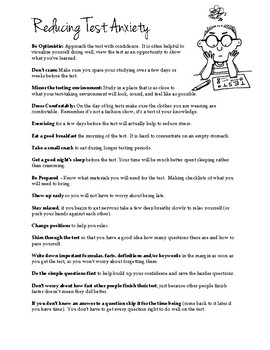
Unlock Your Potential: Mastering Exams with Practice Tests
Hey there, future exam conquerors! Ever feel like exams are designed to make you sweat? Like they’re some kind of mysterious beast lurking in the shadows, waiting to pounce on your carefully acquired knowledge? You're not alone. We've all been there, staring blankly at a practice question, feeling the pressure mount. It's a universal experience. Think about it – remembering every single detail from that textbook feels impossible. It's like trying to hold water in your hands – the more you squeeze, the more slips through the cracks.
But here’s the good news: the beast can be tamed. That feeling of overwhelming anxiety? It can be managed. The secret weapon? Practice tests. Yes, those seemingly mundane exercises you might be tempted to skip are actually your best friends in this academic battle. Now, I know what you might be thinking: "Practice tests? Seriously? That sounds like even MORE work!" And trust me, I get it. The thought of spending even more time studying when you're already feeling overwhelmed can be daunting.
But what if I told you that practice tests aren't just about rote memorization and endless drilling? What if they were actually a way to understand how the exam creatorsthink? What if they could help you identify your weaknessesbeforethe big day, allowing you to focus your energy where it truly matters? What if they could actuallyreduceyour anxiety, making you feel more confident and in control?
Because that's exactly what they do. We’re not just talking about boosting your score (although, spoiler alert, they definitely do that!). We’re talking about building confidence, mastering time management, and fundamentally changing your approach to exams. So, are you ready to ditch the pre-exam jitters and unlock your full potential? Let's dive in and discover the incredible power of practice tests!
The Undeniable Benefits of Practice Tests
Alright, let’s get down to business. Why are practice tests so darn effective? It’s not just some old wives' tale; there's solid science backing this up. We're talking about tangible improvements in performance and a significant reduction in stress. Ready to find out why practice tests are the real MVP of exam preparation? Here are the key benefits:
• Knowledge Retention and Application
It's one thing to passively read through your notes; it's another thing entirely to actively try to recall that information and apply it to a specific problem. Practice tests force you to do just that. They bridge the gap between knowing the material and actually being able to use it effectively. Think of it like this: reading a recipe is different from actually cooking the dish. You might understand the ingredients and the instructions, but until you get into the kitchen and start chopping, mixing, and tasting, you won't truly master the recipe. Practice tests are your culinary adventure in the world of exams.
The act of retrieving information from memory strengthens the neural pathways associated with that information, making it easier to recall in the future. This is known as the "testing effect," and it's a well-documented phenomenon in cognitive psychology. Instead of just re-reading your notes (which can create a false sense of familiarity), practice tests force your brain to work harder to retrieve the information, leading to deeper and more lasting learning. According to a study published in the journal "Psychological Science," students who took practice tests performed significantly better on final exams than students who simply re-read their notes.
• Identifying Knowledge Gaps
Let's face it, nobody's perfect. We all have areas where our understanding is a little shaky. Practice tests are like a diagnostic tool, revealing those weak spots so you can address them before they become a problem. It's better to stumble in the practice room than on the main stage, right? Imagine you're preparing for a marathon. You wouldn't just show up on race day without ever having run long distances. You'd start with shorter runs, gradually increasing your mileage, and paying attention to any pain or discomfort along the way. Practice tests are your training runs for the exam, allowing you to identify areas where you need to strengthen your stamina and technique.
By analyzing your performance on practice tests, you can pinpoint specific topics or concepts that you're struggling with. This allows you to focus your study efforts more efficiently, rather than wasting time re-hashing material you already know. For example, if you consistently miss questions related to a particular chapter or formula, you know that's an area you need to revisit and reinforce. This targeted approach to studying is far more effective than simply trying to cram everything in at the last minute.
• Mastering Time Management
Time is of the essence during an exam. Running out of time is a common cause of stress and can significantly impact your score. Practice tests provide a valuable opportunity to hone your time management skills. By simulating the actual exam environment, you can get a feel for how long it takes you to answer different types of questions and learn how to pace yourself effectively. Think of it like learning to drive. You wouldn't just jump behind the wheel and start speeding down the highway. You'd start in a controlled environment, practicing your braking, steering, and maneuvering skills. Practice tests are your driving lessons for the exam, helping you navigate the challenges of time pressure and question difficulty.
Start by timing yourself on each practice test and tracking how long it takes you to complete each section. Then, analyze your performance to identify areas where you're spending too much time. Are you getting bogged down on certain types of questions? Are you rushing through others and making careless mistakes? Once you've identified these patterns, you can start to develop strategies for managing your time more effectively. This might involve setting time limits for each question, prioritizing the easier questions first, or learning to recognize when it's time to move on from a difficult question and come back to it later.
• Reducing Exam Anxiety
Ah, anxiety – the bane of every student's existence. But guess what? Practice tests can actually help you conquer this foe. By familiarizing yourself with the exam format, question types, and time constraints, you can reduce the uncertainty and fear associated with the exam. It's like facing your fears head-on. Imagine you're afraid of public speaking. The more you practice giving speeches in front of smaller audiences, the more comfortable and confident you'll become. Practice tests are your public speaking practice for the exam, helping you overcome your fear and deliver a stellar performance.
The more comfortable you are with the exam environment, the less anxious you'll feel on the actual day. This can lead to improved focus, better memory recall, and ultimately, a higher score. By taking practice tests, you're essentially desensitizing yourself to the stress of the exam, making it feel less daunting and more manageable. Remember that study from "Psychological Science"? It also found that students who used practice tests reported lower levels of anxiety and stress than those who relied on traditional studying methods.
• Improving Test-Taking Strategies
Beyond just knowing the material, successful exam-taking involves a certain level of strategy. Practice tests allow you to experiment with different approaches and identify what works best for you. Do you prefer to tackle the multiple-choice questions first, or the essay questions? Do you like to read the entire question before looking at the answer choices, or do you prefer to skim the question and then scan the answer choices for clues? These are the types of questions you can explore and answer through practice. Think of it like learning a new game. You wouldn't expect to win on your first try. You'd experiment with different strategies, learn from your mistakes, and gradually refine your approach until you become a master player. Practice tests are your gaming sessions for the exam, helping you develop the skills and strategies you need to win.
For example, you might discover that you perform better when you eliminate the obviously wrong answer choices first, or that you're more likely to make careless mistakes when you're rushing. By analyzing your performance on practice tests, you can identify these patterns and adjust your test-taking strategies accordingly. This might involve developing a checklist of common mistakes to avoid, or practicing techniques for managing your time more effectively. The goal is to develop a personalized approach that maximizes your strengths and minimizes your weaknesses.
Making the Most of Your Practice Tests
Okay, so you're convinced that practice tests are a good idea. But how do you actually use them effectively? Simply going through the motions won't cut it. You need a strategic approach to maximize the benefits. Here's how to make the most of your practice tests:
• Simulate the Real Exam Environment
This means finding a quiet place where you won't be interrupted, setting a timer for the allotted time, and avoiding any distractions like your phone or social media. The closer you can replicate the actual exam conditions, the more valuable the practice test will be. Don't listen to music, don't browse the internet, and don't let anyone interrupt you. Treat it like the real thing. This will help you get used to the pressure of the exam environment and develop strategies for staying focused and calm under pressure.
• Review Your Answers Thoroughly
Don't just look at your score and move on. Take the time to carefully review each question, whether you got it right or wrong. Understand why the correct answer is correct and why the incorrect answers are incorrect. This is where the real learning happens. Focus on understanding the underlying concepts and principles, rather than just memorizing the answers. If you don't understand something, consult your textbook, notes, or professor. The goal is to use the practice test as an opportunity to deepen your understanding of the material and identify any areas where you need to focus your study efforts.
• Analyze Your Mistakes
Are you making careless errors, or do you truly not understand the material? Are you running out of time on certain sections? Identifying the root cause of your mistakes is crucial for improving your performance. Keep a record of the types of mistakes you're making and look for patterns. Are you consistently missing questions on a particular topic? Are you making the same types of errors over and over again? Once you've identified these patterns, you can start to develop strategies for addressing them.
• Focus on Understanding, Not Memorization
Rote memorization might get you through a few questions, but it won't help you on the more challenging problems that require critical thinking and application. Strive to understand the underlying concepts and principles, so you can apply them to a variety of different scenarios. Don't just memorize formulas; understand where they come from and how to use them. Don't just memorize facts; understand the context and significance of those facts. The goal is to develop a deep and lasting understanding of the material, rather than just superficial knowledge.
• Track Your Progress
Keep a record of your scores on each practice test and monitor your progress over time. This will help you stay motivated and see how far you've come. Celebrate your successes, but don't get discouraged by your setbacks. Use your progress as a source of motivation to keep learning and improving. Remember that every practice test is an opportunity to learn and grow, and that even small improvements can add up to a big difference on the actual exam.
Real-World Examples: Practice Tests in Action
Still not convinced? Let's look at some real-world examples of how practice tests have helped students succeed. Here are a few stories to inspire you:
•The Med School Dream:Sarah, a pre-med student, was struggling with the MCAT. She felt overwhelmed by the sheer volume of information and was constantly scoring below her target score on practice tests. But she didn't give up. She analyzed her mistakes, focused on her weak areas, and gradually improved her score. By the time the actual MCAT rolled around, she was confident and prepared. She scored well enough to get into her dream medical school and is now a successful doctor.
•The Engineering Ace:David, an engineering student, was having trouble with a particularly challenging course. He understood the concepts in theory, but he struggled to apply them to practical problems. He started taking practice tests and realized that he was making careless mistakes and misinterpreting the questions. He slowed down, paid more attention to detail, and developed a system for checking his work. As a result, his grades improved dramatically, and he graduated with honors.
•The Anxious Test-Taker:Maria, a law student, suffered from severe test anxiety. She would freeze up during exams and struggle to recall even the simplest information. Her therapist recommended that she take practice tests to desensitize herself to the stress of the exam environment. She started taking practice tests in a simulated exam setting, and gradually her anxiety subsided. By the time she took the bar exam, she was calm and focused, and she passed with flying colors.
These are just a few examples of how practice tests can help you achieve your academic goals. No matter what you're studying, practice tests can be a powerful tool for improving your performance and reducing your anxiety.
Frequently Asked Questions (FAQ)
Got questions? We've got answers! Here are some common questions about practice tests:
•Q:How many practice tests should I take?
A: As many as you can! The more practice tests you take, the better prepared you'll be. However, quality is just as important as quantity. Make sure you're reviewing your answers thoroughly and learning from your mistakes.
•Q:Where can I find practice tests?
A: Many textbooks come with practice tests. You can also find practice tests online, at your local library, or from commercial test preparation companies.
•Q:Should I take practice tests before or after studying the material?
A: Both! Taking a practice test before you start studying can help you identify your weak areas and focus your study efforts. Taking practice tests after you've studied the material can help you reinforce your understanding and assess your progress.
•Q:What should I do if I'm not improving my score on practice tests?
A: Don't get discouraged! It takes time and effort to improve your score. Review your answers carefully, analyze your mistakes, and focus on understanding the material. If you're still struggling, consider seeking help from a tutor or professor.
The Final Exam: Your Success Story
We've reached the end of our journey into the world of practice tests. We've explored their undeniable benefits, from boosting knowledge retention to reducing exam anxiety. We've discussed how to use them effectively, and we've looked at real-world examples of students who have achieved success with practice tests. Now it's your turn to put this knowledge into action.
The power of practice tests lies not just in the act of taking them, but in the deliberate review, analysis, and adaptation they enable. They are a mirror reflecting your strengths and weaknesses, a compass guiding your study efforts, and a simulator preparing you for the real challenge. So, friends, embrace the power of practice tests. Make them an integral part of your study routine. Analyze your mistakes, learn from your successes, and watch your confidence soar.
Now is the time to take the first step toward exam success. Start by finding a practice test for your next exam and commit to taking it in a simulated exam environment. Review your answers thoroughly, analyze your mistakes, and develop a plan for addressing your weak areas. The key is to be proactive, strategic, and persistent.
Remember, every successful student has faced challenges and setbacks. The difference between success and failure often comes down to perseverance and a willingness to learn from mistakes. So don't be afraid to make mistakes on practice tests. Embrace them as opportunities for growth and improvement. With the right mindset and a strategic approach, you can conquer any exam that comes your way.
Are you ready to unlock your full potential and achieve exam success? It all starts with a practice test. Now go out there and make it happen!

Post a Comment for "The Power of "Practice Tests": Boosting Your Score and Reducing Anxiety"
Post a Comment