How to Write a Winning Resume and Cover Letter: Landing Your Dream Job
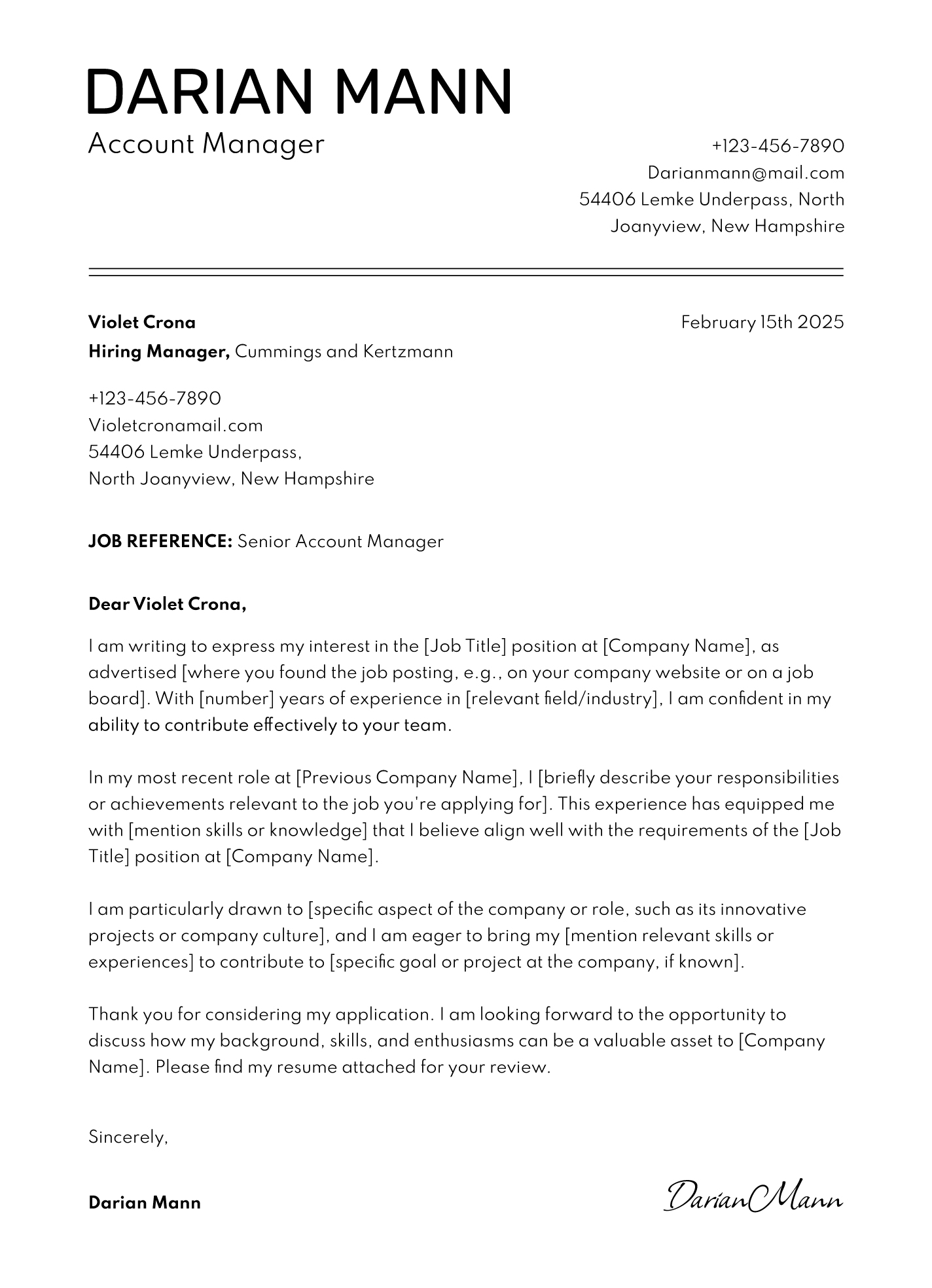
Crafting Your Career Story: A Guide to Resumes and Cover Letters That Get You Hired.
Hey there, job seeker! Ever feel like your resume and cover letter are shouting into the void, desperately hoping someone,anyone, notices you amidst the sea of applications? We've all been there. You spend hours tweaking bullet points, agonizing over font choices, and trying to sound like the perfect blend of enthusiastic go-getter and seasoned professional. It's enough to make you want to pull your hair out! Let's be honest, sometimes it feels like the hiring process is rigged, or maybe the recruiter is just too busy. You might even find yourself wondering if sending a carrier pigeon with your resume would be more effective than uploading it to yet another online portal.
But here's the thing: your resume and cover letter are your personal superheroes. They're your chance to tell your story, highlight your awesome skills, and convince someone that you're not just qualified, but theidealfit for their team. And guess what? With a little bit of know-how and a dash of creativity, you can transform these documents from dreaded chores into powerful tools that unlock your dream job.
Think of it this way: a recruiter probably spends less than 10 seconds initially scanning your resume. Yep, you read that right. Ten seconds! That’s shorter than it takes to microwave popcorn. So, how do you make those seconds count? How do you grab their attention, make them want to learn more, and ultimately, land that interview? How do you ensure you don’t end up in the dreaded "rejected" pile? This guide is your secret weapon. We'll walk you through crafting a winning resume and cover letter, step by step, with practical tips, real-world examples, and a healthy dose of encouragement. Because let's face it, job hunting can be tough, but you're tougher. So, are you ready to transform your job search and finally land that dream job? Let's dive in!
How to Write a Winning Resume and Cover Letter: Landing Your Dream Job
Crafting the Perfect Resume: Your Career's Greatest Hits
Your resume is your career's highlight reel, showcasing your skills, experience, and accomplishments. It's the first impression you make on a potential employer, so you want to make it count. Let's break down the key components and how to make them shine:
•Contact Information:Obvious, right? But make sure it's accurate and professional. Double-check your email address (no more "partyanimal88@example.com") and include a professional-sounding voicemail message. And please, link to your Linked In profile! It's a great way for recruiters to learn more about you.
•Summary/Objective:This is your elevator pitch. In a few concise sentences, highlight your key skills and experience and state your career goals. Are you looking for a challenging opportunity to leverage your marketing expertise, or are you seeking an entry-level position in data analysis? Tailor this to each job application.
•Work Experience:This is where you showcase your accomplishments. Don't just list your responsibilities; quantify your achievements! Instead of "Managed social media accounts," try "Increased social media engagement by 30% in six months, resulting in a 15% increase in website traffic." Use action verbs and focus on results. If you led a project, what were the outcomes? How did you contribute to the team's success?
•Education:List your degrees, certifications, and relevant coursework. If you have a high GPA, include it. And don't forget to mention any honors or awards you received.
•Skills:Create a dedicated section for your hard skills (technical skills) and soft skills (interpersonal skills). For hard skills, be specific. Don't just say "Proficient in Microsoft Office;" list the specific programs you know (e.g., "Microsoft Word, Excel, Power Point"). For soft skills, provide examples of how you've demonstrated them.
Resume Formatting and Design
Your resume's appearance matters. A clean, well-organized format is easier to read and makes a better impression. Consider these tips:
•Choose a Professional Font:Stick to classic, easy-to-read fonts like Arial, Calibri, or Times New Roman. Avoid anything too fancy or decorative.
•Use White Space:Don't cram too much information onto one page. Use white space to create visual breathing room and make your resume easier to scan.
•Keep it Concise:Aim for a one-page resume if you have less than 10 years of experience. If you have more experience, a two-page resume is acceptable, but make sure every detail is relevant.
•Tailor Your Resume:Don't use the same resume for every job application. Customize it to match the specific requirements and keywords in the job description. This shows the employer that you've taken the time to understand their needs.
•Proofread, Proofread, Proofread! Nothing screams "unprofessional" like typos and grammatical errors. Ask a friend or family member to proofread your resume before you submit it. Better yet, use a grammar checker.
Crafting the Killer Cover Letter: Telling Your Story
Your cover letter is your chance to tell your story and explain why you're the perfect fit for the job. It's not just a summary of your resume; it's a personalized message that demonstrates your interest in the company and the role. Here's how to write a cover letter that gets noticed:
•Start with a Strong Opening:Grab the reader's attention from the first sentence. Don't just say, "I'm writing to apply for the [job title] position." Instead, try something like, "I was thrilled to see [company name] is seeking a [job title] with a passion for [relevant skill/industry]. As a [your profession] with [number] years of experience in [relevant industry], I'm confident I can make a significant contribution to your team."
•Highlight Your Relevant Skills and Experience:Connect your skills and experience to the specific requirements of the job. Provide examples of how you've used your skills to achieve results in previous roles. For example, if the job description mentions "strong project management skills," you could say, "In my previous role at [company name], I successfully managed a cross-functional project that resulted in a 20% increase in efficiency."
•Show Your Passion for the Company:Do your research and explain why you're interested in working for this particular company. What do you admire about their mission, values, or products? Have they been in the news lately for something impressive? This shows the employer that you're not just looking for any job; you're specifically interested in joining their team.
•Demonstrate Your Understanding of the Role:Show that you understand the responsibilities and challenges of the position. What problems will you be solving? How will you contribute to the company's goals? This demonstrates that you've thought about the role and how you can add value.
•End with a Strong Call to Action:Thank the reader for their time and express your enthusiasm for the opportunity. State that you're eager to learn more and discuss how you can contribute to the team. And don't forget to include your contact information!
Cover Letter Formatting and Style
Just like your resume, your cover letter should be well-formatted and easy to read. Keep these tips in mind:
•Use a Professional Tone:Write in a clear, concise, and professional tone. Avoid slang, jargon, or overly casual language.
•Keep it Concise:Aim for a one-page cover letter. Recruiters are busy, so get to the point and highlight the most relevant information.
•Address it to a Specific Person:If possible, find out the name of the hiring manager and address your cover letter to them directly. This shows that you've done your research and are genuinely interested in the position. If you can't find a name, use a generic greeting like "Dear Hiring Manager."
•Tailor Your Cover Letter:Just like your resume, your cover letter should be tailored to each job application. Don't use the same cover letter for every job.
•Proofread Carefully:Again, proofreading is essential. Check for typos, grammatical errors, and spelling mistakes.
Examples and Case Studies
Let's look at some real-world examples of how to craft a winning resume and cover letter:
•Example 1:Marketing Manager: A marketing manager increased website traffic by 40% in one year by implementing a new SEO strategy. They highlighted this achievement in their resume and provided details in their cover letter, explaining how they analyzed website data, identified key keywords, and optimized content to improve search engine rankings.
•Example 2:Software Engineer: A software engineer developed a new mobile app that was downloaded over 100,000 times in the first month. They showcased this accomplishment in their resume and explained in their cover letter how they used their coding skills to create a user-friendly and innovative app.
•Example 3:Customer Service Representative: A customer service representative consistently received high ratings for customer satisfaction. They highlighted this in their resume and explained in their cover letter how they used their communication skills and problem-solving abilities to resolve customer issues and provide excellent service.
Common Mistakes to Avoid
Here are some common mistakes that can sink your resume and cover letter:
•Typos and Grammatical Errors:As mentioned before, these are a huge turnoff.
•Generic or Vague Language:Use specific examples and quantifiable results to showcase your accomplishments.
•Lack of Tailoring:Failing to tailor your resume and cover letter to the specific job description.
•Overly Long or Cluttered Documents:Keep it concise and easy to read.
•Inconsistent Formatting:Ensure your resume and cover letter have a consistent look and feel.
The Power of Keywords
Applicant Tracking Systems (ATS) are used by many companies to screen resumes. These systems scan resumes for specific keywords related to the job description. To ensure your resume gets past the ATS, include relevant keywords throughout your resume and cover letter. You can identify these keywords by carefully reviewing the job description and noting the skills, experience, and qualifications the employer is seeking.
Staying Up-to-Date
The job market is constantly evolving, so it's important to stay up-to-date on the latest trends in resume writing and cover letter formatting. Follow industry blogs, attend webinars, and network with other professionals to learn new strategies and techniques.
Real-World Tips for Success
Here are some additional tips for crafting a winning resume and cover letter:
•Get Feedback:Ask friends, family members, or career counselors to review your resume and cover letter and provide feedback. A fresh pair of eyes can often spot mistakes or areas for improvement.
•Use Action Verbs:Start your bullet points with strong action verbs to describe your accomplishments.
•Quantify Your Results:Whenever possible, quantify your achievements to demonstrate the impact you've made.
•Tell a Story:Your resume and cover letter should tell a compelling story about your career journey and your potential to succeed in the role.
•Be Confident:Believe in yourself and your abilities. Your resume and cover letter should reflect your confidence and enthusiasm.
Resume and Cover Letter FAQs
•Question:Should I include a photo on my resume?
Answer: Generally, it's not recommended to include a photo on your resume, especially in the United States. It can lead to unconscious bias and may even violate anti-discrimination laws. However, in some industries or countries, it may be more common or even expected.
•Question:How long should my resume be?
Answer: For most people, a one-page resume is ideal. If you have extensive experience (over 10 years), a two-page resume may be acceptable, but make sure every detail is relevant and adds value.
•Question:What if I don't have a lot of experience?
Answer: Focus on your skills, education, and any relevant volunteer or extracurricular activities. Highlight your potential and your willingness to learn. Tailor your resume to the specific job requirements and emphasize how your skills and experience align with the employer's needs.
•Question:Should I use a template for my resume and cover letter?
Answer: Templates can be a good starting point, but make sure you customize them to reflect your personal brand and style. Avoid using generic templates that look like everyone else's. Choose a template that is clean, professional, and easy to read.
So, there you have it, friends! The secrets to crafting a resume and cover letter that don't just get seen, but get you hired. Remember, it's all about telling your unique story, showcasing your skills, and demonstrating your passion for the role. Now, it's your turn to take action! Dust off that resume, polish that cover letter, and start applying for your dream jobs! The world is waiting for your talent. Don't be afraid to sell yourself and highlight all your amazing accomplishments. Are you ready to write your success story?

Post a Comment for "How to Write a Winning Resume and Cover Letter: Landing Your Dream Job"
Post a Comment