How to Write a Winning Resume and Cover Letter: Landing Your Dream Job
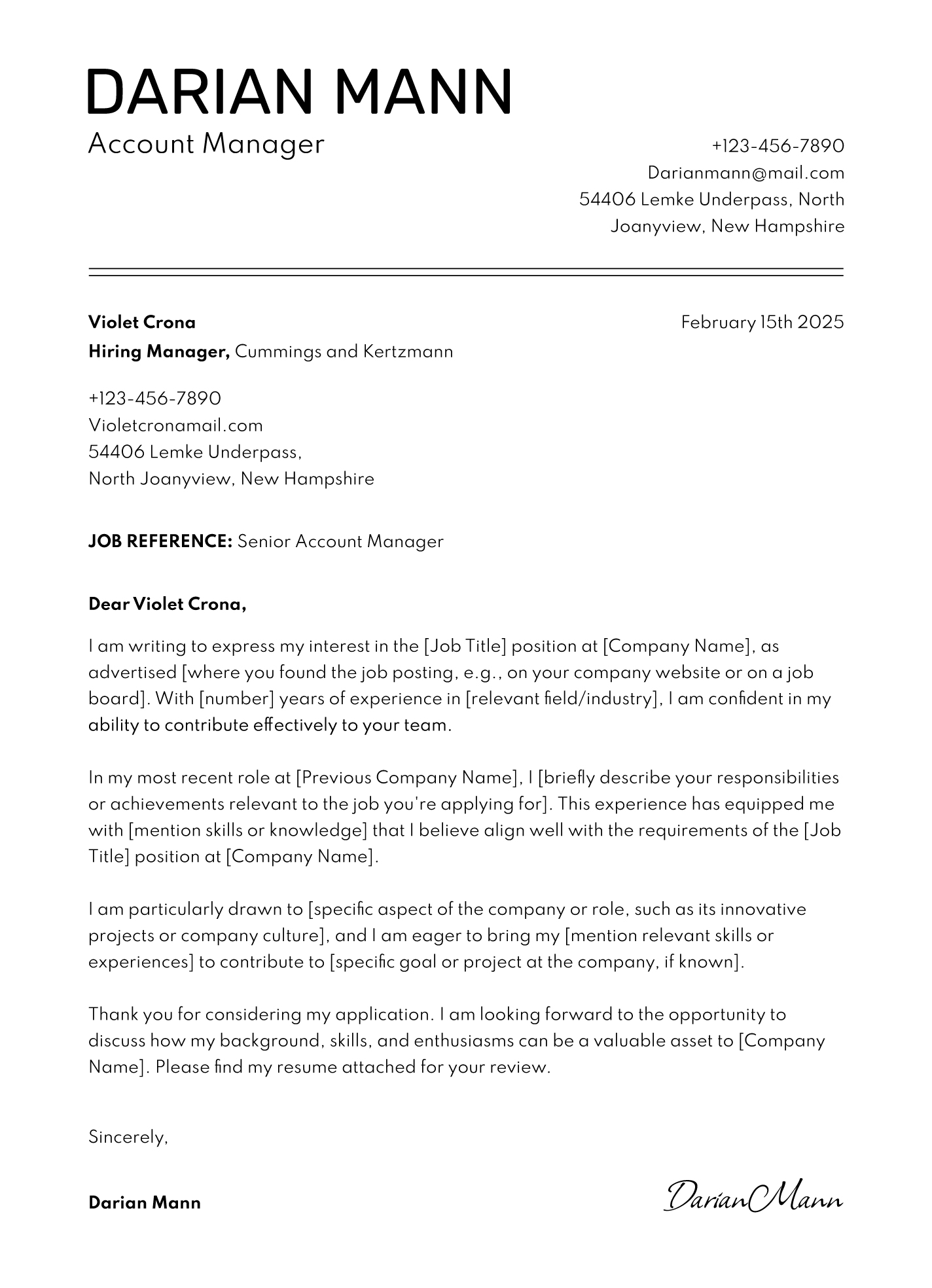
Crafting Your Career Narrative: A Guide to Resumes and Cover Letters That Get You Hired
Hey there, future world-changer! Ever feel like your resume and cover letter are more like a black hole than a beacon, sucking your dreams into oblivion? You're not alone. We've all been there, staring at a blank page, wondering how to distill our amazingness into a few bullet points that some HR robot will scan in six seconds. It's daunting! It’s like trying to explain the plot of your favorite movie in emoji form – challenging, to say the least. Think about it: you've got skills, you've got experience, you've probably even perfected the art of making a decent cup of coffee (a highly underrated skill, by the way). But how do you translate that into something that screams "Hire me!" without sounding like you're trying too hard? Or worse, boring them to death. The average recruiter spends, like, no time at all reviewing your application. That means you need to grab their attention instantly. We are talking blink and you'll miss it speeds. That’s where a killer resume and cover letter come in. And no, I'm not talking about those generic templates that everyone and their grandma are using. I'm talking about crafting a personalized narrative that tells your unique story and screams "I'm the perfect fit!"
The truth is, the job market is a battlefield. Okay, maybe not literally, but it's fiercely competitive. Everyone's vying for that dream role, and you need to stand out from the crowd. Imagine a pile of resumes – hundreds, maybe thousands – sitting on a recruiter's desk. Most of them are going straight to the "no" pile. Why? Because they're generic, bland, and don't tell the recruiter anything about the person behind the paper. They fail to answer the one question every recruiter is secretly asking: "Why should I care?" But here's the good news: you can avoid that fate. You can craft a resume and cover letter that not only showcase your skills and experience but also tell your story, highlight your personality, and make the recruiter sit up and take notice. Think of it like this: you're not just applying for a job; you're marketing yourself. And a well-crafted resume and cover letter are your marketing materials. They're your chance to make a first impression, to show the recruiter who you are and why you're the perfect fit for the role. It’s about showing, not just telling. Instead of saying "I'm a hard worker," demonstrate it with specific examples of how you went above and beyond in previous roles. Instead of saying "I'm a team player," describe a time when you collaborated with others to achieve a common goal.
But how do you actually do that? How do you transform your resume and cover letter from boring documents into captivating stories that land you that dream job? Well, that's what we're here to explore. Over the next few sections, we'll dive into the secrets of crafting a winning resume and cover letter, from understanding the fundamentals to mastering advanced techniques. We'll break down the process into manageable steps, providing you with practical tips, real-world examples, and actionable strategies that you can use to create documents that truly stand out. We'll cover everything from formatting and keyword optimization to storytelling and personalization. We'll even tackle those tricky cover letter questions that always seem to trip you up. So, buckle up, grab a coffee, and get ready to unleash your inner wordsmith. By the end of this guide, you'll have the knowledge and tools you need to write a resume and cover letter that not only impress recruiters but also land you that dream job you've always wanted. Ready to transform your job application game? Let's get started!
Crafting Your Career Narrative: A Guide to Resumes and Cover Letters That Get You Hired
Resume and Cover Letter Essentials
Alright, friends, let's get down to business! We're diving into the core of crafting a resume and cover letter that will make you shine brighter than a supernova. These aren't just documents; they're your personal branding tools, your storytellers, and your ticket to landing that dream job. So, let's make them count!
Resume: Your Professional Story
Your resume is your professional biography, a concise summary of your skills, experience, and accomplishments. It's like a highlight reel of your career, designed to grab the recruiter's attention and make them want to learn more. Here's how to make it epic:
- Choose the Right Format: Let's face it, nobody wants to read a wall of text. Opt for a clean, easy-to-read format that highlights your key information. Chronological, functional, or combination – pick the one that best showcases your strengths. A chronological resume, listing your work history in reverse chronological order, is generally preferred unless you have significant gaps in employment or are changing careers. Templates are great, but don't be afraid to customize them to reflect your personality and brand. Consider using a template that is ATS-friendly, meaning it can be easily parsed by Applicant Tracking Systems (ATS).
- Quantify Your Accomplishments: Don't just tell us you're "results-oriented." Show us! Use numbers, percentages, and specific metrics to demonstrate the impact you've made in previous roles. For example, instead of saying "Improved customer satisfaction," say "Increased customer satisfaction scores by 15% in Q2 2023." Numbers speak volumes and make your accomplishments more tangible.
- Keywords are King: Tailor your resume to each job application by including relevant keywords from the job description. These keywords are what recruiters and Applicant Tracking Systems (ATS) use to filter through resumes, so make sure you're speaking their language. Research common keywords in your industry and sprinkle them strategically throughout your resume. Use tools like Jobscan to analyze your resume against a specific job description and identify missing keywords.
- Showcase Your Skills: List both hard skills (technical abilities) and soft skills (interpersonal skills) that are relevant to the job. Hard skills are quantifiable and can be learned through training or education, while soft skills are personality traits and interpersonal abilities. Be specific and provide examples of how you've used these skills in previous roles. For instance, instead of just listing "communication skills," describe a time when you successfully communicated a complex idea to a team.
- Education is Important: Include your degrees, certifications, and any relevant coursework or training. If you have a high GPA or received academic honors, be sure to highlight them. If you've completed any online courses or workshops, include those as well, especially if they're relevant to the job.
Cover Letter: Your Personalized Pitch
Your cover letter is your chance to introduce yourself, explain why you're interested in the job, and highlight your key qualifications. It's like a personalized pitch, designed to capture the recruiter's attention and make them want to read your resume.
- Start Strong: Grab the reader's attention with a compelling opening sentence that highlights your passion for the company or the role. Avoid generic greetings like "To Whom It May Concern." Instead, try to address the hiring manager by name (you can usually find this information on Linked In or the company website). Show that you've done your research and are genuinely interested in the opportunity.
- Tell a Story: Use your cover letter to tell a story about why you're the perfect fit for the job. Connect your skills and experience to the company's needs and demonstrate how you can contribute to their success. Share a specific anecdote or example that showcases your relevant skills and personality.
- Highlight Your Value Proposition: Explain what you can bring to the company and how you can help them achieve their goals. Focus on the value you can provide rather than just listing your accomplishments. Demonstrate that you understand the company's challenges and have the skills and experience to solve them.
- Showcase Your Personality: Let your personality shine through! Use your cover letter to showcase your enthusiasm, passion, and unique perspective. Be authentic and genuine, and don't be afraid to inject some humor or personality into your writing (within reason, of course). Remember, recruiters want to hire people they like, so show them who you are.
- End with a Call to Action: End your cover letter with a clear call to action, inviting the recruiter to contact you for an interview. Reiterate your interest in the role and your enthusiasm for the opportunity. Thank the recruiter for their time and consideration, and provide your contact information.
Advanced Strategies for Resume and Cover Letter Mastery
Okay, friends, we've covered the basics. Now, let's kick things up a notch and dive into some advanced strategies that will set you apart from the competition. These are the secrets that will transform your resume and cover letter from good to great, from ordinary to extraordinary.
Resume Optimization: Beyond the Basics
- Tailor, Tailor, Tailor: I can't stress this enough! Generic resumes are a death sentence. Every resume you send out should be tailored to the specific job description. Analyze the job requirements and highlight the skills and experiences that are most relevant. Use the same language as the job posting to show that you understand their needs and are a perfect fit. Use online tools to compare your resume to the job description. These tools will give you insight as to how well your resume aligns with the job requirements.
- Action Verbs are Your Friend: Start each bullet point with a strong action verb that describes your accomplishments. Use verbs like "managed," "developed," "implemented," "achieved," and "led" to showcase your skills and responsibilities. Avoid weak verbs like "assisted" or supported.Choose verbs that are specific and impactful.
- Quantify Everything: Seriously, quantify everything! Use numbers, percentages, and metrics to demonstrate the impact you've made in previous roles. This is especially important for roles in sales, marketing, and finance, where results are easily measurable. Even if your role is not directly tied to numbers, you can still quantify your accomplishments by measuring efficiency improvements, cost savings, or time reductions.
- Skills Section Power-Up: Don't just list your skills; group them into categories and provide context. For example, instead of just listing "Microsoft Office," create a category called "Software Proficiency" and list specific programs like "Microsoft Word, Excel, Power Point." You can also include your proficiency level (e.g., "Expert," "Proficient," "Basic").
- Showcase Your Projects: If you've worked on any significant projects, create a dedicated section to highlight them. Describe the project goals, your role, and the results you achieved. This is a great way to showcase your skills and demonstrate your ability to deliver results.
Cover Letter Brilliance: Captivating and Converting
- Research the Company: Before you start writing, do your homework! Research the company's mission, values, and culture. Understand their goals and challenges, and explain how you can help them achieve success. This shows that you're genuinely interested in the company and are not just sending out generic applications.
- Address the Elephant in the Room: If you have any potential weaknesses or gaps in your resume, address them head-on in your cover letter. Explain the situation and highlight the steps you've taken to overcome the challenge. This shows that you're honest, self-aware, and proactive. For example, if you have a gap in your employment history, explain why and highlight the skills or experiences you gained during that time.
- Show, Don't Tell: Instead of just listing your qualifications, provide specific examples that demonstrate your skills and accomplishments. Share anecdotes that showcase your personality and highlight your unique perspective. This will make your cover letter more engaging and memorable.
- Personalize, Personalize, Personalize: Avoid generic phrases and clichés. Write in your own voice and let your personality shine through. Show that you're a real person, not just a robot spitting out pre-written sentences. Use a conversational tone and connect with the reader on a personal level.
- Proofread Like a Pro: Typos and grammatical errors are a major turn-off. Proofread your cover letter carefully before submitting it. Ask a friend or colleague to review it as well. Use online grammar checkers to catch any errors you might have missed.
Real-World Examples and Case Studies
Alright, friends, let's get practical! Let's take a look at some real-world examples and case studies to see these strategies in action. These examples will give you a better understanding of how to craft a winning resume and cover letter that gets results.
Case Study 1: From Generic to Great
Sarah, a recent college graduate, was struggling to land interviews despite having a strong GPA and relevant internship experience. Her resume was generic, listing only her skills and responsibilities without quantifying her accomplishments. Her cover letter was equally bland, starting with the generic "To Whom It May Concern" and failing to showcase her personality.
We helped Sarah rewrite her resume and cover letter, focusing on quantifying her accomplishments and highlighting her skills. We also helped her tailor her documents to each job application, using keywords from the job description and researching the company's mission and values. As a result, Sarah started receiving interview requests within weeks and landed her dream job within a month.
Case Study 2: Addressing the Gap
John, a seasoned marketing professional, had a significant gap in his employment history due to a family illness. He was hesitant to address the gap in his cover letter, fearing that it would hurt his chances of getting hired. We advised John to be honest and transparent about the gap, explaining the situation and highlighting the skills he gained during that time, such as time management, problem-solving, and empathy.
John followed our advice and addressed the gap in his cover letter, explaining that he had taken time off to care for a sick family member but had used the time to develop valuable skills and pursue personal interests. He also highlighted his passion for marketing and his eagerness to return to the workforce. As a result, John received positive feedback from recruiters and landed a new job within a few months.
Example Resume Snippets: Before and After
- Before: "Assisted with marketing campaigns"
After: "Managed social media campaigns, resulting in a 30% increase in engagement and a 15% increase in website traffic."
- Before: "Responsible for customer service"
After: "Provided exceptional customer service, resulting in a 95% customer satisfaction rating and a 20% increase in customer retention."
- Before: "Supported the sales team"
After: "Developed sales presentations and marketing materials, resulting in a 10% increase in sales leads and a 5% increase in sales revenue."
Example Cover Letter Snippets: Before and After
- Before: "I am writing to express my interest in the marketing manager position."
After: "As a passionate marketing professional with five years of experience driving results for innovative companies, I was thrilled to see your opening for a Marketing Manager. Your commitment to [Company Value] resonates deeply with my own values, and I am confident that my skills and experience align perfectly with your needs."
- Before: "I am a hard worker and a team player."
After: "In my previous role at [Previous Company], I collaborated with a cross-functional team to launch a new product, resulting in a 20% increase in market share. I am a firm believer in the power of teamwork and am eager to bring my collaborative spirit to your organization."
- Before: "I am confident that I would be a valuable asset to your company."
After: "I am confident that my skills and experience in [Specific Skill 1] and [Specific Skill 2], combined with my passion for [Industry/Company Mission], would make me a valuable asset to your team. I am eager to learn more about this opportunity and discuss how I can contribute to your success."
Frequently Asked Questions
Okay, let's tackle some of those burning questions you might have about resume and cover letter writing. We've compiled a list of frequently asked questions to help you navigate the job application process with confidence.
- Question: How long should my resume be?
Answer: Ideally, your resume should be one to two pages long. If you have extensive experience (more than 10 years), you can go up to two pages. However, it's important to be concise and focus on the most relevant information. Recruiters often spend just a few seconds reviewing each resume, so make sure your key qualifications are easily visible.
- Question: Should I include a photo on my resume?
Answer: In most cases, it's best to avoid including a photo on your resume. Unless the job specifically requires it (e.g., acting or modeling), a photo can create bias and discrimination. Focus on your skills and experience rather than your appearance.
- Question: What should I do if I have a gap in my employment history?
Answer: Be honest and transparent about the gap in your cover letter. Explain the reason for the gap and highlight any skills or experiences you gained during that time. You can also focus on your accomplishments and skills rather than dwelling on the gap.
- Question: Should I use a template for my resume and cover letter?
Answer: Templates can be a good starting point, but don't rely on them entirely. Customize the template to reflect your personality and brand. Make sure the template is ATS-friendly and easy to read. Avoid templates that are overly generic or outdated.
Friends, writing a winning resume and cover letter is an art and a science. By following the tips and strategies outlined in this guide, you can create documents that not only showcase your skills and experience but also tell your story and capture the recruiter's attention. Remember, your resume and cover letter are your marketing tools, so make them count!
Congratulations, you've reached the end of this comprehensive guide! We've covered a lot of ground, from the fundamental building blocks of resumes and cover letters to advanced strategies for making them truly shine. Let’s bring it all home.
To recap, crafting a winning resume and cover letter is all about understanding your audience (the recruiter), showcasing your value proposition (what you bring to the table), and telling your unique story in a compelling way. It’s about being clear, concise, and confident, and always, always tailoring your application to the specific job you’re after. Remember those key takeaways? Strong action verbs, quantifiable achievements, keyword optimization, and a personalized touch that makes you stand out from the crowd.
So, what's the next step? It’s time to put all this knowledge into action! Dust off that resume, open a new document, and start crafting your career narrative. Remember, this isn't just about filling out forms; it's about presenting the best version of you to the world. Take your time, be thoughtful, and don't be afraid to ask for feedback from friends, mentors, or career counselors. Everyone can use a fresh set of eyes.
And now, here’s your call to action: Commit to updating your resume and writing a new cover letter for a job you’re truly interested in. Don’t just think about it; do it! The perfect opportunity might be just around the corner, and you want to be ready to seize it with a killer application that showcases your unique awesomeness. Ready to take that leap and invest in your future?
Believe in yourself, friends! You've got the skills, the experience, and now the knowledge to create a resume and cover letter that will open doors to your dream job. Stay persistent, stay positive, and never stop learning. What exciting career adventure will you embark on next?

Post a Comment for "How to Write a Winning Resume and Cover Letter: Landing Your Dream Job"
Post a Comment