The Importance of Cultural Awareness: Understanding and Appreciating Diversity
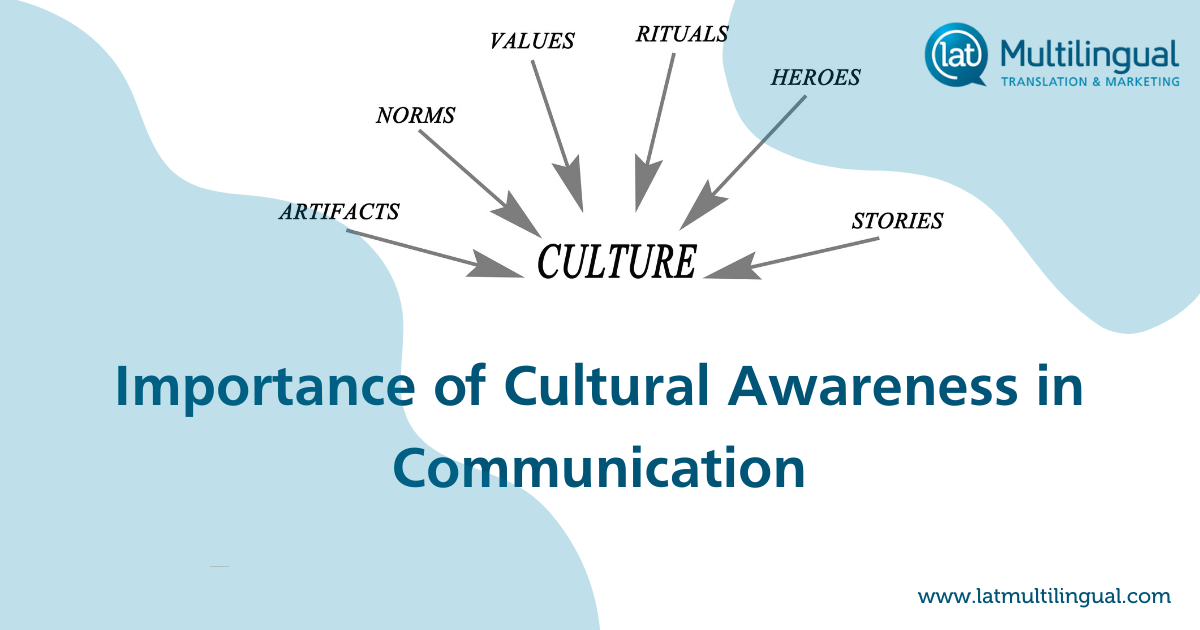
Embracing Our World: Why Cultural Awareness Matters
Hey there, friends! Ever found yourself in a situation where you just didn't quite "get" what was going on? Maybe it was a joke that fell flat, a gesture that was misinterpreted, or simply a feeling that you were missing a crucial piece of the puzzle. Chances are, you were bumping up against a cultural difference. We live in an increasingly interconnected world, a global village if you will, where different cultures are constantly interacting. And while that's awesome, it also means we need to be better at understanding and appreciating those differences.
Think about it: you're video chatting with a colleague from Japan, and they keep nodding. You assume they agree with everything you're saying, but later find out that nodding is simply a polite way to acknowledge you're speaking. Or maybe you're traveling in Brazil and try to use the "okay" hand gesture, only to realize it's considered incredibly rude there. Ouch! These little misunderstandings can lead to awkwardness, frustration, and even damage relationships, both personally and professionally.
Now, I'm not saying we all need to become cultural anthropologists overnight. But making an effort to become more culturally aware can have a massive impact on our lives. It can improve our communication, strengthen our relationships, broaden our perspectives, and even boost our careers. Imagine being able to navigate international business deals with ease, connect with people from all walks of life on a deeper level, and truly understand the richness and complexity of the world around you. Sounds pretty good, right?
So, how do we become more culturally aware? It's not about memorizing a list of dos and don'ts for every country. It's about developing a mindset of curiosity, empathy, and respect. It's about being open to learning, willing to challenge your own assumptions, and eager to embrace the beauty of diversity. In this article, we'll delve into the importance of cultural awareness and give you some practical tips on how to cultivate it in your own life. Ready to embark on this journey of discovery? Let's dive in!
Why Bother? Unpacking the Benefits of Cultural Awareness
Okay, so we've established that cultural awareness is a good thing. But let's get down to brass tacks: what are theactualbenefits? Why should you invest your time and energy into becoming more culturally attuned? Well, friends, the rewards are plentiful.
Enhanced Communication
Ever tried to explain something to someone who just didn't seem to get it? It's frustrating, right? Cultural awareness helps bridge communication gaps by giving you insights into different communication styles, nonverbal cues, and values. You'll be better able to tailor your message to your audience, avoid misunderstandings, and build stronger rapport.
- Consider the concept of "high-context" versus "low-context" communication. In high-context cultures like Japan and China, much of the meaning is conveyed through nonverbal cues, shared history, and unspoken understandings. In low-context cultures like Germany and the United States, communication is more direct and explicit. Knowing this can help you adjust your communication style accordingly. For example, if you're communicating with someone from a high-context culture, you might need to be more patient, pay closer attention to nonverbal cues, and avoid overly direct or confrontational language.
Stronger Relationships
Relationships thrive on understanding and empathy. When you're culturally aware, you're better able to appreciate the perspectives and experiences of others, even if they're different from your own. This leads to deeper connections, stronger bonds, and more meaningful relationships. Imagine truly understanding why a friend from another country celebrates a particular holiday or holds a certain belief. It creates a sense of connection and shared understanding that transcends cultural boundaries.
- Practice active listening. This means paying attention not just to the words someone is saying, but also to their tone of voice, body language, and underlying emotions. Ask clarifying questions to ensure you understand their perspective. Show genuine interest in their culture and experiences.
Expanded Worldview
Stepping outside your own cultural bubble can be incredibly liberating. It challenges your assumptions, broadens your horizons, and exposes you to new ideas and perspectives. You'll start to see the world in a whole new light, appreciating its richness, complexity, and interconnectedness. Think about how learning about different philosophical traditions, artistic expressions, or culinary practices can enrich your own life and broaden your understanding of the human experience.
- Seek out opportunities to learn about different cultures. Read books, watch documentaries, attend cultural events, and travel to new places. Talk to people from different backgrounds and ask them about their experiences. The more you learn, the more you'll realize how much there is to discover.
Career Advancement
In today's globalized marketplace, cultural awareness is a highly valued skill. Employers are looking for individuals who can work effectively with diverse teams, navigate international markets, and build relationships with clients from all over the world. Being culturally aware can give you a competitive edge and open doors to new career opportunities. Imagine being the go-to person on your team for handling international projects or the one who can effortlessly connect with clients from different cultural backgrounds.
- Develop your intercultural communication skills. This includes learning how to adapt your communication style to different audiences, being aware of cultural differences in body language and etiquette, and being able to resolve conflicts effectively across cultural boundaries. Consider taking a course or workshop on intercultural communication to enhance your skills.
The How-To: Cultivating Cultural Awareness in Your Life
Alright, you're convinced. Cultural awareness is important. But how do you actuallydoit? Here are some practical tips to get you started:
•Become a Lifelong Learner:Never stop being curious! Read books, articles, and blogs about different cultures. Watch documentaries and movies that showcase diverse perspectives. The more you learn, the more you'll realize how much there is to discover. Don't just stick to the highlights; delve into the nuances of different cultures, exploring their history, values, and traditions.
•Travel (Even if It's Just in Your Mind):Traveling is one of the best ways to immerse yourself in a new culture. But if you can't hop on a plane right now, don't worry! You can still explore the world from the comfort of your own home. Take virtual tours of museums, listen to music from different countries, and try cooking recipes from around the world.
•Engage in Cross-Cultural Conversations:Seek out opportunities to interact with people from different backgrounds. Join a cultural exchange program, volunteer with an organization that serves diverse communities, or simply strike up conversations with people you meet in your daily life. Ask them about their experiences, their perspectives, and their culture.
•Challenge Your Assumptions:We all have unconscious biases and stereotypes. The key is to become aware of them and actively challenge them. When you catch yourself making assumptions about someone based on their culture, pause and ask yourself if those assumptions are valid.
•Practice Empathy:Put yourself in other people's shoes. Try to understand their perspectives, even if you don't agree with them. Ask yourself how their culture might influence their thoughts, feelings, and behaviors. Empathy is the cornerstone of cultural awareness.
•Be Respectful:Treat everyone with respect, regardless of their cultural background. Be mindful of cultural differences in etiquette, communication styles, and values. Avoid making jokes or comments that could be offensive.
•Reflect on Your Own Culture:Understanding your own culture is just as important as understanding other cultures. Reflect on your own values, beliefs, and assumptions. How has your culture shaped who you are? How might it influence your interactions with people from other cultures?
•Embrace Mistakes:You're going to make mistakes. It's inevitable. The important thing is to learn from them. When you make a cultural faux pas, apologize sincerely and use it as an opportunity to learn more about the other culture.
Common Questions About Cultural Awareness
Let's tackle some frequently asked questions to clarify a few points:
Question 1: Is cultural awareness the same as political correctness?
Answer: Not at all! Cultural awareness is about genuine understanding and appreciation, while political correctness can sometimes feel forced or superficial. Cultural awareness is about building bridges, while political correctness can sometimes create barriers.
Question 2: Do I need to be an expert in every culture?
Answer: Absolutely not! It's impossible to know everything about every culture. The goal is to develop a general awareness and sensitivity to cultural differences, and to be open to learning more as you go.
Question 3: What if I accidentally offend someone?
Answer: It happens! The best thing to do is to apologize sincerely, explain that you didn't mean to cause offense, and ask how you can avoid making the same mistake in the future.
Question 4: Is cultural awareness just for travelers or people who work internationally?
Answer: Nope! Cultural awareness is valuable for everyone, regardless of their profession or travel habits. We all interact with people from different backgrounds in our daily lives, whether it's at work, in our communities, or even online.
In Conclusion: Embracing a World of Difference
We've covered a lot of ground, friends! We've explored why cultural awareness is essential in today's interconnected world, outlining its numerous benefits, from improved communication to enhanced career prospects. We've also delved into practical strategies for cultivating cultural awareness in your own life, emphasizing the importance of lifelong learning, empathy, and respect.
Ultimately, cultural awareness is about more than just avoiding awkward situations or boosting your career. It's about embracing the richness and diversity of the human experience. It's about recognizing that our differences are what make us unique and that by understanding and appreciating those differences, we can build a more connected, compassionate, and inclusive world.
So, I encourage you to take action today. Start by reflecting on your own cultural biases and assumptions. Then, seek out opportunities to learn about different cultures and interact with people from diverse backgrounds. The journey to cultural awareness is a lifelong one, but it's a journey that's well worth taking.
What's one small step you can take this week to become more culturally aware? Go forth and explore!

Post a Comment for "The Importance of Cultural Awareness: Understanding and Appreciating Diversity"
Post a Comment