The Importance of Cultural Awareness: Understanding and Appreciating Diversity
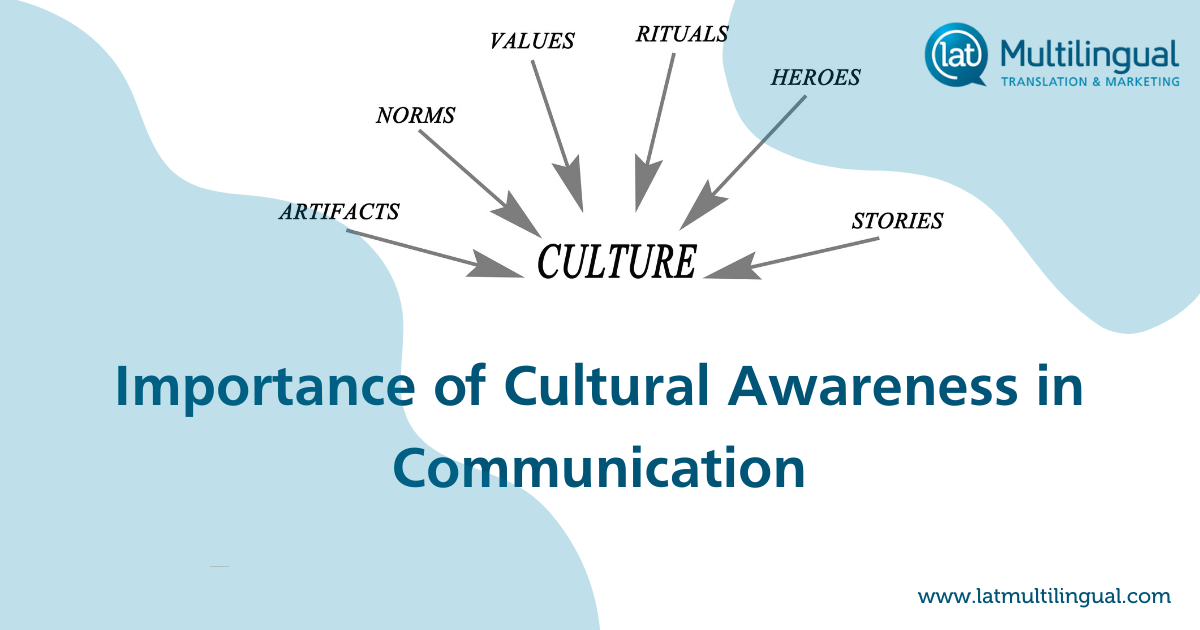
Embracing Our World: Why Cultural Awareness Matters
Hey friends! Ever found yourself tongue-tied, staring blankly when someone drops a cultural reference you just don't get? Or maybe you accidentally committed a faux pas while traveling abroad, leaving you red-faced and wishing you could teleport back home? We've all been there! In our increasingly interconnected world, cultural awareness isn't just a nice-to-have; it's an absolute must-have. It’s like having a secret decoder ring for human interaction. Think of it as upgrading your social software from version 1.0 to the latest, most compatible release.
Now, you might be thinking, "Okay, cultural awareness sounds important, but is it really that big of a deal?" Imagine trying to navigate a bustling city without a map, without knowing the local customs, or understanding the traffic signals. Sounds stressful, right? That's what life can feel like without a good dose of cultural understanding. You're constantly at risk of bumping into misunderstandings, misinterpretations, and missed opportunities. And let’s be honest, no one wants to be "that person" who offends someone unintentionally or misses out on a fantastic collaboration because of a cultural blind spot.
So, what if I told you that unlocking the power of cultural awareness could not only help you avoid awkward situations but also open doors to richer relationships, more successful collaborations, and a deeper understanding of the world around you? What if it could transform you from a clueless tourist into a culturally savvy global citizen? Intrigued? Then stick around, because we're about to dive deep into why cultural awareness matters, how it can benefit you, and how you can start building your own cultural intelligence toolkit today!
Unveiling the Layers: Why Cultural Awareness is Essential
Cultural awareness is more than just knowing that chopsticks are preferred over forks in some countries or that bowing is customary in others. It's about developing a deep understanding of how culture shapes our perceptions, values, behaviors, and communication styles. It's about recognizing that our own culture is just one perspective among many, and that there are countless valid ways of seeing and interacting with the world.
Think of culture as an iceberg. The tip of the iceberg – the visible aspects like food, clothing, and art – is easy to spot and understand. But the vast majority of the iceberg lies beneath the surface, representing the deeper, often unconscious aspects of culture like values, beliefs, communication styles, and assumptions about the world. These hidden elements are what truly drive our behavior and influence our interactions with others. And it's precisely these elements that we need to understand to truly cultivate cultural awareness.
Breaking Down Barriers: Enhanced Communication and Relationships
Miscommunication is often at the root of many misunderstandings and conflicts, especially in cross-cultural interactions. What might seem like a perfectly reasonable request in one culture could be considered rude or inappropriate in another. By developing cultural awareness, we can learn to recognize these potential communication pitfalls and adapt our style to be more effective and respectful.
• Understanding nonverbal cues: Did you know that eye contact, personal space, and gestures can have vastly different meanings across cultures? In some cultures, direct eye contact is a sign of respect and honesty, while in others, it can be seen as aggressive or challenging. Similarly, the acceptable distance between individuals during conversation can vary greatly, leading to discomfort or misinterpretations if not understood.
• Avoiding assumptions: One of the biggest barriers to effective cross-cultural communication is making assumptions based on our own cultural norms. Assuming that everyone shares our values, beliefs, and communication styles can lead to misunderstandings and even offense. Instead, we should approach each interaction with curiosity and a willingness to learn about the other person's perspective.
• Active listening and empathy: Truly listening to understand, rather than listening to respond, is crucial in cross-cultural communication. By practicing active listening and trying to see things from the other person's point of view, we can build empathy and foster stronger relationships.
Boosting Business: Global Success Through Cultural Intelligence
In today's globalized economy, cultural awareness is no longer just a soft skill; it's a critical business imperative. Companies that prioritize cultural intelligence are better positioned to succeed in international markets, build strong relationships with clients and partners from diverse backgrounds, and attract and retain top talent from around the world.
• Expanding market reach: Understanding the cultural nuances of different markets is essential for tailoring products, services, and marketing campaigns to resonate with local consumers. A one-size-fits-all approach rarely works in the global marketplace.
• Building trust and rapport: Cultivating strong relationships with international clients and partners requires more than just business acumen. It requires cultural sensitivity, respect, and a genuine interest in understanding their perspectives. Building trust and rapport is key to long-term success.
• Fostering innovation and creativity: Diverse teams are often more innovative and creative than homogenous teams because they bring a wider range of perspectives, experiences, and ideas to the table. Cultural awareness helps to create an inclusive environment where everyone feels valued and empowered to contribute their best work.
According to a Harvard Business Review study, companies with diverse management teams have 19% higher revenue due to innovation. Furthermore, culturally intelligent leaders are more likely to navigate complex global challenges and drive sustainable growth.
Personal Growth: Expanding Horizons and Empathy
Cultural awareness isn't just beneficial for professional success; it also enriches our personal lives in countless ways. By stepping outside of our own cultural bubble and exploring different perspectives, we can broaden our horizons, challenge our assumptions, and develop a greater sense of empathy and understanding for others.
• Breaking down stereotypes: One of the most powerful benefits of cultural awareness is the ability to challenge and break down stereotypes. By getting to know people from different backgrounds, we can see them as individuals rather than as representatives of a particular group.
• Developing a global mindset: Cultural awareness helps us to develop a global mindset, which is the ability to see the world from multiple perspectives and to appreciate the interconnectedness of all things. This mindset is essential for navigating the complexities of the 21st century.
• Enhancing travel experiences: Traveling to new places becomes even more enriching when we have a deeper understanding of the local culture. We can appreciate the art, music, food, and customs in a more meaningful way, and we can connect with the local people on a deeper level. Imagine understanding the historical context behind a monument or being able to engage in a conversation with a local artisan about their craft. These experiences are far more rewarding than simply ticking off tourist attractions from a list.
For example, volunteering abroad or participating in a cultural exchange program can provide immersive experiences that foster profound personal growth. These experiences challenge our preconceived notions and help us develop a deeper understanding of ourselves and the world around us.
Practical Steps: Building Your Cultural Awareness Toolkit
So, how do you go about building your cultural awareness toolkit? Here are some practical steps you can take to cultivate cultural intelligence and become a more culturally sensitive and effective global citizen:
• Educate Yourself:
Immerse yourself in different cultures through books, documentaries, and online resources.
Learn about the history, values, and customs of different countries and regions.
Explore different art forms, music, and literature from around the world.
• Engage in Cross-Cultural Interactions:
Seek out opportunities to interact with people from different backgrounds, whether through travel, work, or social activities.
Join cultural exchange programs or language learning groups.
Attend cultural events and festivals in your community.
• Practice Active Listening and Empathy:
Pay attention to nonverbal cues and communication styles.
Ask clarifying questions and avoid making assumptions.
Try to see things from the other person's perspective.
• Challenge Your Own Biases:
Reflect on your own cultural values and assumptions.
Identify any biases or stereotypes you may hold.
Be open to learning and changing your perspectives.
• Embrace Lifelong Learning:
Cultural awareness is an ongoing process, not a destination.
Stay curious and continue to learn about different cultures throughout your life.
Be open to new experiences and perspectives.
According to a study by the Pew Research Center, individuals who regularly engage with diverse groups are more likely to hold positive views about other cultures and exhibit greater empathy and understanding.
Navigating the Nuances: Real-World Examples
Let's explore a few real-world examples to illustrate the importance of cultural awareness in different contexts:
• Business Negotiations: In Japan, business negotiations often involve a slow and deliberate process of building relationships and trust before discussing the details of a deal. Direct and assertive communication styles, which may be common in Western cultures, can be perceived as rude or aggressive.
• Healthcare: In some cultures, patients may be hesitant to share personal information with healthcare providers, especially if they come from a different cultural background. Understanding these cultural sensitivities is crucial for providing effective and culturally competent healthcare.
• Education: Educators need to be aware of the different learning styles and cultural backgrounds of their students. Creating an inclusive classroom environment that celebrates diversity and values different perspectives is essential for student success.
These examples highlight the importance of adapting our behavior and communication style to the specific cultural context. By being mindful of cultural differences, we can avoid misunderstandings, build stronger relationships, and achieve better outcomes.
Cultivating Empathy: The Heart of Cultural Awareness
Ultimately, cultural awareness is about cultivating empathy – the ability to understand and share the feelings of another person. When we develop empathy, we can connect with others on a deeper level, build stronger relationships, and create a more inclusive and compassionate world.
So, the next time you find yourself interacting with someone from a different cultural background, remember to approach the situation with curiosity, respect, and a willingness to learn. By embracing cultural awareness, you can unlock a world of opportunities and contribute to a more understanding and interconnected global community.
Q&A: Common Questions About Cultural Awareness
Let's tackle some frequently asked questions about cultural awareness:
Question 1: Isn't it difficult to learn about every culture in the world?
Answer: Absolutely! It's impossible to become an expert on every single culture. The goal isn't to memorize every cultural norm, but rather to develop a general awareness of cultural differences and a willingness to learn. Focus on cultures that are relevant to your work, travel, or personal interests. The key is to approach each interaction with curiosity and respect.
Question 2: How can I avoid offending someone unintentionally?
Answer: Do your research beforehand, but more importantly, be mindful of your words and actions. If you're unsure about something, it's always best to ask clarifying questions respectfully. Apologize sincerely if you make a mistake. Remember, most people appreciate genuine effort and understanding.
Question 3: Is cultural awareness just about avoiding negative interactions?
Answer: Not at all! While avoiding misunderstandings is important, cultural awareness is also about celebrating diversity, building stronger relationships, and fostering innovation. It's about appreciating the richness and complexity of the human experience.
Question 4: What's the biggest challenge in developing cultural awareness?
Answer: Overcoming our own biases and assumptions. We all have unconscious biases that can influence our perceptions and interactions. It takes conscious effort to identify and challenge these biases. Be open to new perspectives and willing to learn from your mistakes.
In conclusion, cultural awareness is not merely an abstract concept but a practical skill that enhances our interactions, enriches our lives, and drives success in an increasingly globalized world. By embracing diversity, seeking understanding, and challenging our own biases, we can create a more inclusive and harmonious future for all.
So, my friends, go forth and embrace the beauty and complexity of our diverse world! Start with one small step – perhaps researching a culture you know little about, striking up a conversation with someone from a different background, or simply being more mindful of your own assumptions. The journey to cultural awareness is a lifelong adventure, but it's one that's well worth taking.
What small step will you take today to expand your cultural awareness? Let's discuss in the comments!

Post a Comment for "The Importance of Cultural Awareness: Understanding and Appreciating Diversity"
Post a Comment