The Power of Practice Tests: Boosting Your Score and Reducing Anxiety
Ace Your Test: How Practice Exams Can Be Your Secret Weapon
Hey there, future test-takers! Ever feel like you're walking into a test center blindfolded? Like you've studied everything, but a wave of panic still washes over you when you see that exam booklet? Trust me, we’ve all been there. Remember that feeling of dread before a pop quiz in high school? Or the sheer terror of facing the SATs or ACTs? Yeah, those memories don't fade easily. But what if I told you there's a way to significantly reduce that anxietyandboost your score? Sounds too good to be true, right?
Well, it's not magic. It's the power of practice tests! Now, I know what you might be thinking: "Practice tests? Ugh, more studying? I'm already drowning in textbooks!" But hold on a second. Practice tests aren't just about cramming more information into your brain. They're about smart studying, strategic preparation, and building confidence. Think of it like this: professional athletes don't just show up on game day and expect to win. They spend countless hours practicing, simulating game situations, and analyzing their performance. Why should you approach your exams any differently?
Imagine yourself preparing for a big race. You wouldn't just read about running, would you? You'd actuallyrun. You'd time yourself, identify your weaknesses (maybe you're terrible at hills, or your endurance fades in the last mile), and adjust your training accordingly. Practice tests do the same thing for your academic performance. They allow you to simulate the real exam environment, identify your knowledge gaps, and develop effective test-taking strategies. Plus, the more familiar you become with the test format and question types, the less anxious you'll feel on the actual exam day. It’s like knowing the route of that race beforehand – you’re less likely to get lost and more likely to finish strong. Intrigued? Keep reading to discover how to harness the incredible power of practice tests and transform your test-taking experience!
Unlocking Your Potential: The Power of Practice Tests
So, you're ready to embrace the power of practice tests. Awesome! But where do you start? How do you make the most of these valuable tools? It’s not just about passively taking tests; it’s about actively using them to improve your performance and conquer your anxieties. Let's dive into some key strategies.
Maximizing Your Practice Test Experience
• Simulate the Real Exam Environment:
This is crucial. Find a quiet space where you won't be disturbed. Turn off your phone, close your laptop (unless you're taking a computer-based test), and gather all the materials you'll need – pens, pencils, calculator, etc. Set a timer for the exact time allotted for the actual exam and stick to it. No cheating! This helps you get a realistic feel for the time pressure and allows you to develop effective pacing strategies. Think of it as a dress rehearsal for the main event. The more you can mimic the real exam conditions, the less overwhelming the actual test will feel.
• Choose the Right Practice Tests:
Not all practice tests are created equal. You want to use tests that are as close as possible to the actual exam in terms of content, format, and difficulty level. Official practice tests released by the exam creators are always the best option. These are often available online or in study guides. If official tests are scarce, look for reputable third-party resources that are known for their accuracy and quality. Avoid using outdated or unreliable sources, as they may not accurately reflect the current exam format. Imagine training for a marathon by running on a treadmill that's set at the wrong incline – it wouldn't be very effective, would it? Similarly, using subpar practice tests can give you a false sense of security or lead you to focus on the wrong areas.
• Analyze Your Results Thoroughly:
Taking the practice test is only half the battle. The real learning happens when you analyze your results. Don't just focus on your score. Pay close attention to the questions you missed. Why did you miss them? Was it a lack of knowledge, a careless mistake, or a misunderstanding of the question? Review the correct answers and explanations carefully. Identify any patterns in your errors. Are you consistently struggling with a particular type of question or a specific topic? This information will help you pinpoint your weaknesses and focus your studying efforts. Consider creating a "mistake journal" to track your errors and the reasons behind them. This will help you avoid making the same mistakes on the actual exam. Think of it like a detective investigating a crime scene – you're looking for clues to understand what went wrong and how to prevent it from happening again.
• Focus on Understanding, Not Just Memorization:
Practice tests are a great way to identify gaps in your understanding. If you consistently miss questions on a particular topic, don't just memorize the correct answers. Take the time to truly understand the underlying concepts. Go back to your textbooks, notes, or online resources and review the material thoroughly. Seek out additional explanations or examples if needed. The goal is not just to get the right answer on the practice test, but to develop a solid understanding of the subject matter that will allow you to answer similar questions correctly on the actual exam. Think of it like building a house – you need a strong foundation to support the entire structure. Similarly, a solid understanding of the fundamental concepts is essential for success on any exam.
• Develop Effective Test-Taking Strategies:
Practice tests provide an opportunity to experiment with different test-taking strategies. For example, you might try answering the easiest questions first to build confidence and momentum, or you might try eliminating obviously wrong answers to narrow down your choices. You can also practice pacing yourself to ensure that you have enough time to answer all the questions. Pay attention to how long it takes you to answer different types of questions and adjust your strategy accordingly. The goal is to find the strategies that work best for you and to practice them until they become second nature. Think of it like a pilot running through pre-flight checks – they're following a specific procedure to ensure a safe and successful flight. Similarly, having a well-defined test-taking strategy can help you navigate the exam with confidence and efficiency.
• Manage Your Anxiety:
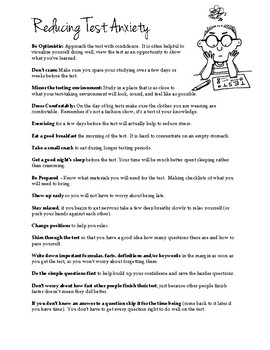
Test anxiety is a common problem that can significantly impact performance. Practice tests can help you manage your anxiety by familiarizing you with the exam format and reducing the element of surprise. The more practice tests you take, the more confident you'll become in your ability to handle the exam. You can also use practice tests to practice relaxation techniques, such as deep breathing or visualization. Before you start a practice test, take a few deep breaths and visualize yourself performing well on the exam. During the test, if you start to feel anxious, take a break and focus on your breathing. Remember, you've prepared for this, and you have the skills and knowledge to succeed. Think of it like public speaking – the more you practice, the less nervous you'll feel when you're standing in front of an audience. Similarly, the more practice tests you take, the less anxious you'll feel on the actual exam day.
Beyond the Score: The Holistic Benefits of Practice Tests
• Improved Time Management:
We've touched on this, but it's worth emphasizing. Time is a precious resource during exams. Practice tests force you to budget your time wisely. You learn to recognize questions that are taking too long and to move on to others, returning later if time permits. This skill isn't just useful for exams; it's valuable in all aspects of life. You’ll start to instinctively prioritize tasks and allocate your time more effectively.
• Enhanced Critical Thinking:
Many exam questions require more than just rote memorization. They demand critical thinking skills – the ability to analyze information, identify patterns, and draw logical conclusions. Practice tests provide ample opportunities to hone these skills. By working through challenging questions and analyzing your mistakes, you'll develop a sharper, more analytical mind.
• Increased Self-Awareness:
Practice tests aren't just about identifying your weaknesses in terms of subject matter. They also help you understand your own learning style and test-taking habits. You might discover that you perform better when you take breaks regularly, or that you're more focused in the morning than in the afternoon. This self-awareness can help you tailor your study habits and test-taking strategies to your individual needs.
• Reduced Procrastination:
Facing a daunting exam can often lead to procrastination. The sheer size of the task can feel overwhelming, making it tempting to put it off. However, breaking down your preparation into smaller, more manageable chunks, such as taking regular practice tests, can make the process less intimidating and reduce the urge to procrastinate. Each practice test becomes a mini-goal, providing a sense of accomplishment and motivating you to keep moving forward.
• Boosted Confidence:
This is perhaps the most significant benefit of all. As you take more practice tests and see your scores improve, your confidence will soar. You'll start to believe in your ability to succeed, which will have a profound impact on your performance on the actual exam. Confidence is contagious, and it can help you stay calm and focused even under pressure.
Practice Tests in the Digital Age: Leveraging Technology for Success
• Online Platforms and Apps:
Numerous online platforms and mobile apps offer practice tests for a wide range of exams. These resources often provide features such as instant scoring, detailed feedback, and personalized study plans. Some platforms even use adaptive learning technology to tailor the difficulty level of the practice tests to your individual skill level.
• Interactive Simulations:
For certain types of exams, such as simulations or performance-based assessments, interactive practice tests can be incredibly valuable. These simulations allow you to practice the skills and behaviors that will be assessed on the actual exam in a realistic and engaging environment.
• Collaborative Learning Tools:
Some online platforms offer collaborative learning tools that allow you to connect with other students who are preparing for the same exam. You can share your practice test results, discuss challenging questions, and provide support and encouragement to one another. This can be a great way to stay motivated and learn from others' experiences.
Frequently Asked Questions
• How many practice tests should I take?
The ideal number of practice tests depends on several factors, including the complexity of the exam, your current level of preparation, and the amount of time you have available. As a general rule, aim to take at least three to five full-length practice tests before the actual exam. However, if you're feeling particularly anxious or unprepared, you may want to take even more.
• When should I start taking practice tests?
It's generally a good idea to start taking practice tests early in your preparation process, even if you haven't covered all of the material yet. This will give you a baseline assessment of your current knowledge and help you identify areas where you need to focus your studying efforts. As you progress through your preparation, you can take additional practice tests to track your progress and refine your strategies.
• What should I do if my practice test scores aren't improving?
If you're not seeing the improvement you expect in your practice test scores, don't get discouraged. First, make sure you're analyzing your results thoroughly and identifying the reasons behind your errors. Then, focus on addressing those weaknesses through targeted studying and practice. You may also want to seek out help from a tutor or study group. Remember, progress is not always linear, and it's important to stay patient and persistent.
• Are practice tests the only thing I need to do to prepare for an exam?
While practice tests are a valuable tool, they shouldn't be the only component of your preparation strategy. It's also important to review the material thoroughly, attend classes or lectures, and complete any assigned readings or assignments. Practice tests are most effective when used in conjunction with other study methods.
Taking practice tests isn't just about getting a better score; it's about empowering yourself. It's about taking control of your preparation, reducing your anxiety, and building confidence in your abilities. By incorporating practice tests into your study routine, you're setting yourself up for success. Now go out there and conquer those exams!
So, we've journeyed through the powerful world of practice tests, uncovering how they can boost your score and simultaneously calm those pre-exam jitters. Remember, practice tests aren't just about regurgitating information; they're about strategically preparing your mind and body for the challenge ahead. They offer a safe space to experiment with different strategies, identify weaknesses, and build confidence. By simulating the real exam environment, analyzing your mistakes, and focusing on understanding, you're transforming yourself from a passive learner into an active and empowered test-taker.
It's time to put these strategies into action! Schedule your first practice test this week. Analyze your results, identify one key area for improvement, and dedicate some time to focusing on that specific topic. You've got this! What are you waiting for? Go forth and conquer!

Post a Comment for "The Power of Practice Tests: Boosting Your Score and Reducing Anxiety"
Post a Comment