The Power of Practice Tests: Boosting Your Score and Reducing Anxiety
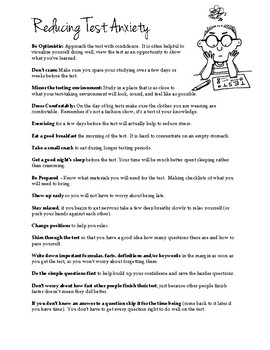
Unlock Your Potential: How Practice Tests Can Catapult You to Success.
Hey there, future achievers! Ever feel like you're staring down a giant, intimidating exam and your brain just wants to stage a walkout? We've all been there. It's that feeling of pressure, the uncertainty swirling in your stomach, and the sudden realization that maybe, just maybe, you should have paid a little more attention in class. Remember that pop quiz that felt like a surprise attack? Or that end-of-term exam that seemed designed to test how well you can handle stress rather than actual knowledge? Yeah, those weren't fun.
Think of it this way: preparing for an exam without practice tests is like trying to bake a cake without a recipe. You might have all the ingredients, but you're just guessing at the quantities and hoping for the best. And let's be honest, the best-case scenario is probably a slightly edible, oddly shaped cake. But what if you could walk into that exam room feeling confident, prepared, and maybe even a little excited (okay, maybe notexcited, but definitely less terrified)? What if you could transform that dreaded exam into an opportunity to showcase your knowledge and skills?
That's where the power of practice tests comes in. They're not just about memorizing facts and regurgitating information. They're about understanding concepts, applying your knowledge, and developing the critical thinking skills you need to succeed. They're about turning those moments of panic into moments of clarity, and transforming your anxiety into a sense of control.
Imagine this: you've been studying hard for weeks, poring over textbooks, taking notes, and attending lectures. Youthinkyou're ready. But then you sit down to take the actual exam, and suddenly everything you thought you knew seems to vanish into thin air. The questions are worded differently than you expected, the format is unfamiliar, and the time is ticking away faster than you can say "panic attack." Sound familiar?
Now, picture this instead: you've been taking practice tests regularly, simulating the actual exam environment as closely as possible. You've familiarized yourself with the types of questions you'll be asked, the format of the exam, and the time constraints you'll be under. You've identified your strengths and weaknesses, and you've focused your studying on the areas where you need the most improvement. When you finally sit down to take the real exam, you feel calm, confident, and prepared. You know what to expect, you know how to manage your time, and you know that you have the skills and knowledge to succeed.
The truth is, practice tests are more than just a study tool. They're a secret weapon that can help you unlock your full potential and achieve your academic goals. They can boost your score, reduce your anxiety, and give you the edge you need to stand out from the crowd.
But how exactly do practice tests work? What are the benefits of using them? And how can you make the most of them to achieve your desired results? Well, buckle up, because we're about to dive deep into the world of practice tests and discover how they can transform your exam experience. Are you ready to unlock the power within?
The Magic of Mock Exams: Why They're More Than Just a Test Run
Let's face it, the word "test" often conjures up images of stress, pressure, and maybe even a little bit of dread. But practice tests? They're different. They're your allies, your training partners, your secret weapon in the battle against exam anxiety. They're not designed to judge you, but to help you learn, grow, and improve.
So, what makes practice tests so powerful? Here's a breakdown of the key benefits:
- Familiarity Breeds Confidence: Ever heard the saying "practice makes perfect"? It's true, especially when it comes to exams. By taking practice tests, you become familiar with the format, the types of questions, and the overall structure of the actual exam. This familiarity reduces anxiety and increases your confidence, allowing you to perform at your best. It's like knowing the layout of a maze before you enter it – you're much less likely to get lost or overwhelmed.
- Pinpoint Your Weaknesses: Practice tests are like a diagnostic tool for your knowledge. They help you identify the areas where you're strong and the areas where you need to improve. By analyzing your performance on practice tests, you can focus your studying on the topics that are giving you the most trouble. Think of it as a targeted strike against your knowledge gaps.
- Time Management Mastery: Time is often a student's biggest enemy during an exam. The pressure of the clock ticking down can lead to panic and rushed answers. Practice tests help you develop your time management skills by simulating the actual exam environment. You can learn to pace yourself, allocate your time effectively, and avoid spending too much time on any one question. Consider it your personal time-bending training montage.
- Reduce Test Anxiety: Test anxiety is a real phenomenon that can significantly impact your performance. Practice tests can help reduce test anxiety by desensitizing you to the exam environment. The more you practice, the more comfortable you'll become with the testing process, and the less anxious you'll feel on the day of the actual exam. It's like gradually getting used to cold water – the initial shock subsides, and you can actually start to enjoy the swim.
- Boost Retention: The act of taking a practice test forces you to actively recall information, which is a much more effective way to learn than passively reading notes or textbooks. Active recall strengthens the neural pathways in your brain, making it easier to remember information later. So, practice tests not only help you prepare for the exam, but they also help you retain the information for the long term. It's like exercising your memory muscles – the more you use them, the stronger they become.
- Identify Tricky Questions: Practice tests often contain questions that are designed to be tricky or misleading. By encountering these types of questions in a practice setting, you can learn to recognize them and avoid making careless mistakes on the actual exam. It's like learning to spot a trap before you fall into it.
- Simulate the Real Deal: To truly maximize the benefits of practice tests, it's important to simulate the actual exam environment as closely as possible. This means finding a quiet place to take the test, setting a timer, and avoiding distractions. By creating a realistic testing environment, you can prepare yourself mentally and emotionally for the challenges of the actual exam. Consider it your personal exam-day dress rehearsal.
How to Make Practice Tests Your New Best Friends
Okay, so you're convinced that practice tests are a good idea. But how do you actually use them effectively? Here's a step-by-step guide to making the most of your practice test experience:
- Gather Your Resources: The first step is to gather your practice test materials. This could include official practice tests from the exam board, textbooks with practice questions, or online resources. Make sure you have access to a variety of practice tests to give yourself a well-rounded preparation.
- Set Realistic Goals: Before you start taking practice tests, it's important to set realistic goals for yourself. What score are you hoping to achieve? How much time are you willing to dedicate to practice testing? By setting clear goals, you can stay motivated and track your progress.
- Create a Study Schedule: A well-structured study schedule is essential for success. Plan out when you'll take practice tests, when you'll review your answers, and when you'll focus on your weak areas. Consistency is key – try to stick to your schedule as closely as possible.
- Simulate Exam Conditions: As we mentioned earlier, it's important to simulate the actual exam environment as closely as possible. Find a quiet place to take the test, set a timer, and avoid distractions. Treat each practice test as if it were the real thing.
- Analyze Your Results: After you've completed a practice test, take the time to carefully analyze your results. Identify the questions you answered correctly, the questions you answered incorrectly, and the questions you skipped. Look for patterns in your mistakes and try to understand why you made them.
- Review Your Weak Areas: Once you've identified your weak areas, focus your studying on those topics. Review your notes, read your textbook, or seek help from a tutor or teacher. Don't be afraid to ask for help – everyone needs it sometimes.
- Repeat the Process: The key to success with practice tests is repetition. The more you practice, the more comfortable you'll become with the exam format and the more confident you'll feel on the day of the actual exam. So, keep taking practice tests, analyzing your results, and reviewing your weak areas until you're satisfied with your progress.
- Don't Just Memorize Answers: It's tempting to simply memorize the answers to practice test questions. However, this is not an effective way to learn. Instead, focus on understanding the concepts behind the questions. Why is the correct answer correct? Why are the incorrect answers incorrect? By understanding the underlying concepts, you'll be able to apply your knowledge to new and unfamiliar questions.
- Seek Feedback: If possible, seek feedback on your practice tests from a teacher, tutor, or classmate. They can provide valuable insights into your strengths and weaknesses and help you identify areas where you can improve.
- Stay Positive: It's important to stay positive throughout the practice testing process. Don't get discouraged if you don't see results immediately. It takes time and effort to improve your score. Just keep practicing, keep learning, and keep believing in yourself.
Beyond the Score: The Unexpected Perks of Practice Tests
While boosting your score is a primary goal, practice tests offer a wealth of benefits that extend far beyond the numbers. They help you develop valuable skills that will serve you well in all aspects of your life.
- Improved Critical Thinking: Practice tests require you to analyze information, evaluate arguments, and solve problems. These are all essential critical thinking skills that will help you succeed in college, in your career, and in life.
- Enhanced Problem-Solving Abilities: Many practice test questions require you to apply your knowledge to solve real-world problems. By practicing these types of questions, you can develop your problem-solving abilities and become a more effective decision-maker.
- Increased Confidence: As you see your score improve and as you become more comfortable with the exam format, your confidence will grow. This increased confidence will not only help you perform better on the exam, but it will also help you succeed in other areas of your life.
- Better Time Management Skills: Practice tests help you develop your time management skills, which are essential for success in all aspects of life. By learning to manage your time effectively, you can reduce stress, increase productivity, and achieve your goals.
- Reduced Stress and Anxiety: By preparing you for the exam and by giving you a sense of control over the situation, practice tests can help reduce stress and anxiety. This can lead to improved sleep, better overall health, and a more positive outlook on life.
Frequently Asked Questions About Practice Tests
Let's address some common questions about practice tests to clear up any remaining doubts.
- Q: How many practice tests should I take?
A: There's no magic number, but aim for at least three to five full-length practice tests. The more, the better, as long as you're actively learning from each one.
- Q: When should I start taking practice tests?
A: Start early in your study process. Taking a practice test at the beginning can help you identify your baseline knowledge and pinpoint areas to focus on.
- Q: Where can I find good practice tests?
A: Look for official practice tests from the exam board. Textbooks and online resources can also be helpful, but make sure the sources are reputable and aligned with the actual exam content.
- Q: What if I don't have time to take full-length practice tests?
A: Even shorter practice sessions can be beneficial. Focus on specific sections or topics to make the most of your limited time. Remember, even a little practice is better than no practice at all!
In essence, don't view practice tests as a necessary evil. They are your powerful allies, transforming the daunting exam preparation into a journey of learning, growth, and self-discovery. Embrace them, learn from them, and let them guide you toward achieving your academic aspirations.
We've covered a lot in this article, from the myriad benefits of practice tests to practical tips on how to use them effectively. Remember, practice tests aren't just about getting a good score; they're about building confidence, reducing anxiety, and developing essential skills that will serve you well in all aspects of your life.
Now it's your turn! Start incorporating practice tests into your study routine today. Download a practice test, create a study schedule, and start unlocking your full potential. What are you waiting for? Your success story begins now!
So, what are your biggest exam-related anxieties? Share them in the comments below – let's conquer those fears together!

Post a Comment for "The Power of Practice Tests: Boosting Your Score and Reducing Anxiety"
Post a Comment