How the Power of Gratitude Transforms Your Mental Health Daily
Gratitude gets sold short. Most people file it under "nice thing mom told me" and move on. That's mistake number one. Gratitude not soft skill. Not vague feel-good slogan. It structural change to how brain processes reality. And friends, that change compound daily.
We going deep today. Not surface "count your blessings" fluff. Real mechanics. What happen inside skull when thankfulness become habit. Why it work when nothing else does. And how you wire it into ordinary Tuesday, not just Thanksgiving dinner.
How the Power of Gratitude Transforms Your Mental Health Daily
What Gratitude Actually Is (Not What Greeting Cards Say)
Strip away sentiment. Gratitude two-part move. First: recognize something good entered your life. Second: identify where it came from, someone or something outside your own effort.
That second part matter more than people realize. "I got lucky" different from "She stayed late to help me finish." One passive. Other builds connection. Research calls this "benefit-triggering" - you spot good thing, then trace source. Brain light up in social circuits, not just reward circuits.
So gratitude not emotion you feel. Gratitude practice you run. Emotion follow. That distinction crucial because practice controllable, emotion not.
Your Brain On Gratitude: The Actual Wiring
Here where it get interesting. Neuroimaging work show gratitude activate medial prefrontal cortex - region tied to learning, decision-making, memory. Also anterior cingulate cortex, which linked to emotional regulation. Same areas that go quiet during depression.
But activation alone not story. Story is what repeat activation do over time.
Neuroplasticity: Rewiring Through Repetition
Brain prune unused pathways, strengthen used ones. Hebbian rule: neurons fire together, wire together. Run gratitude repeatedly, and you literally build thicker connections between "notice good thing" and "feel good about it."
Meanwhile, negativity bias - human default, thanks to evolution - lose some grip. Ancestors who scanned for threats survived. Ancestors who admired sunset got eaten. So default brain weighs bad heavier than good, roughly three to one.
Gratitude practice rebalance scale. Not erase threat detection. Just stop it from running whole show.
Dopamine And The Reward Loop
Gratitude trigger dopamine release. Small amount. Repeatable amount. And unlike scrolling social media, not followed by crash. You get clean hit, brain associate gratitude with reward, you want do it again. Loop builds itself.
Key difference: external rewards deplete. Internal practice regenerates. One drain you, other fill you.
Cortisol And The Stress Response
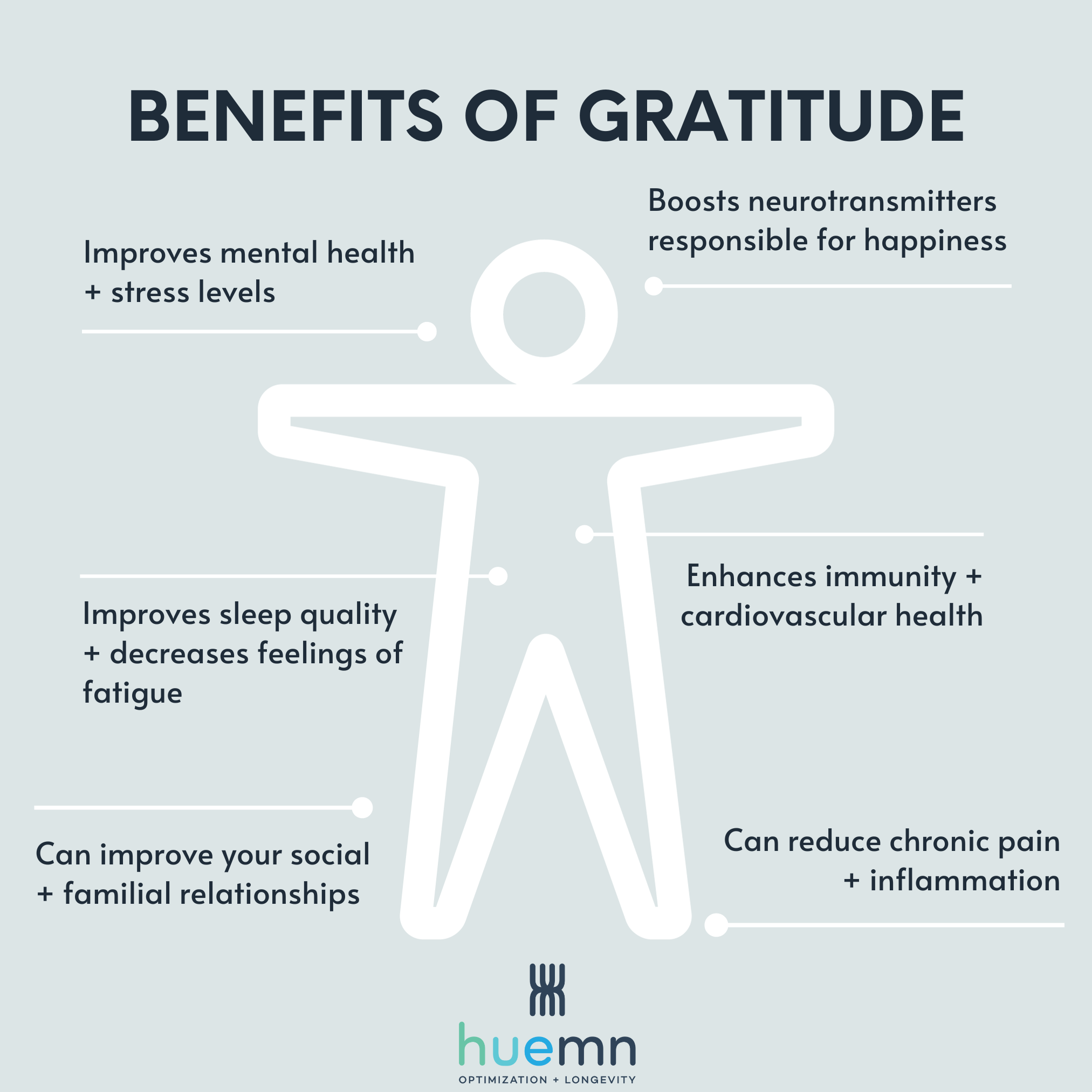
Chronic stress pump cortisol. Cortisol long-term damage memory, sleep, immune function, mood. Studies on gratitude journaling show measurable cortisol reduction in people who write few lines weekly.
Not meditation-level drop. But free, easy, takes three minutes. That trade worth taking.
What Changes Day To Day
Abstract neuroscience fine. What you actually notice? Here what shows up in research and in people who stick with practice.
Sleep Improves
Grateful people fall asleep faster. One study had participants write gratitude list before bed. Result: fell asleep quicker than control group, reported better sleep quality. Why? Pre-sleep worry loop get interrupted. Brain busy counting good things, no bandwidth left for rehearsal of tomorrow's disasters.
Anxiety Loses Volume
Anxiety future-focused. Gratitude present-focused. Can't run both fully at same time. Not that gratitude cure anxiety disorder - it not. But it lower baseline, give you tool when spiral start.
Relationships Get Stronger
Express gratitude to person, and both brains change. Researcher found expressing thanks increase relationship satisfaction and make the expresser feel more connected. Also boost likelihood that person helps you again. Gratitude social glue, and glue hold under pressure.
Resilience Builds Before You Need It
People who practice gratitude handle adversity better. Not because bad things hurt less. Because they retain access to what still good while bad thing happening. That perspective not denial. Real asset.
Key Points: What Actually Moves The Needle
Friends, here condensed version. Save these:
- Specificity beats volume. "Grateful for family" weak. "Grateful Maya called me back after I snapped at her" strong. Brain respond to detail.
- Consistency beats intensity. Three minutes daily outperform one hour monthly. Neural pathways built by repetition, not marathon.
- Expression beats private thought. Telling someone thank you hit harder than writing it in notebook. Social dimension matter.
- Adversity gratitude works too. "Grateful this failure taught me what won't work" legitimate. Not toxic positivity. Just wider lens.
- Timing matters. Morning set tone. Night improve sleep. Both fine. Pick one and hold it.
- Diminishing returns exist. Long lists backfire. Five items better than fifty. Quality over quantity.
- It not replacement for therapy or medication. Complement. Tool in kit. Not whole kit.
Why Most Gratitude Attempts Fail
Let be honest. Plenty people try gratitude, get nothing, quit. Here why.
Failure One: They Treat It As Mood Repair
Feeling awful, they force gratitude, feel fake, conclude it doesn't work. Wrong order. Gratitude practice built during neutral times so it available during hard times. Training, not emergency rescue.
Failure Two: They Go Generic
"Grateful for health, family, roof." Repeat daily till meaningless. Brain stop registering repetition. Specificity wake it up again.
Failure Three: They Expect Instant Results
One week gratitude journaling, no transformation, they quit. But neuroplasticity slow. Studies showing benefit run four to twelve weeks. Give it time. Like going gym one week and checking for abs.
Failure Four: They Skip The Expression Part
Private gratitude good. Shared gratitude better. Say it out loud to person. Write letter. Send text. Social component amplify effect, and it easy add.
How To Build Practice That Stick
Practical steps. Nothing fancy.
Anchor To Existing Habit
Attach gratitude to thing you already do. Coffee brewing. Commute starting. Teeth brushing. Habit stacking reliable. New habit alone fragile. Habit riding old habit tough.
Write Three Specifics
Not family.Instead "Dad texted to check on my interview." Specifics force brain to search for real memory. That search process do the work.
Add One "Why"
After each item, ask why it happened. This step engage the social and causal circuits. Deeper processing, stronger encoding.
Express One Weekly
Once week, tell someone directly. Text, call, note. Small act. Big return.
Keep It Under Five Minutes
Sustainable beats impressive. Five minutes daily for year beats hour daily for week.
Questions And Answers
Does gratitude practice actually change brain structure, or just mood?
Both, and structure matters more long term. Studies show regular gratitude practice associated with increased gray matter volume in regions tied to emotional regulation and reward processing. Mood boost immediate. Structural change build over weeks and months. That why benefits outlast practice session. You not just feeling better in moment, you changing default settings.
Can gratitude help with serious depression or anxiety disorders?
It can help, but it not treatment. Research shows gratitude interventions reduce symptoms of mild to moderate depression and anxiety. For clinical-level conditions, gratitude works as complement to therapy, medication, or both. Never as replacement. If you struggling badly, talk to professional. Gratitude part of toolkit, not whole toolkit.
How long before I notice real difference?
Some people feel shift in days, mostly due to attention redirection. But durable change takes four to eight weeks of consistent practice. Neuroplasticity rate limits. Give it two months before judging. Track mood weekly, not daily, so you see trend rather than noise.
What if I feel nothing when I try gratitude exercises?
Common, especially early or during hard periods. Two fixes. First, get specific - vagueness kills effect. Second, focus on behavior not feeling. Write three items even if no warm glow. Feeling follow action eventually. Also try expressing gratitude to another person. Social dimension often unlock emotion that private practice cannot.
Conclusion
Gratitude not magic. Not cure-all. Not thing you perform once year around turkey.
It practice. Simple one. Cheap one. Backed by real neuroscience. And it work on daily timeline, not someday timeline.
Friends, here deal. You cannot control most of what happen today. Traffic, email, other people's moods, random bad news. But you control where attention lands. Gratitude train attention toward what still working, who still showing up, what still good despite everything.
That not denial. That navigation.
Start small. Three specifics tonight before bed. One text to someone who helped you this week. Five minutes. That it.
Do it tomorrow. Then next day. Brain notice pattern. Pathways thicken. Default shift. Not because universe got better, but because you got better at seeing it.
That the transformation. Quiet. Daily. Yours.
.png&description=How the Power of Gratitude Transforms Your Mental Health Daily)
Post a Comment for "How the Power of Gratitude Transforms Your Mental Health Daily"
Post a Comment