The Ultimate Guide to Winning College Scholarships
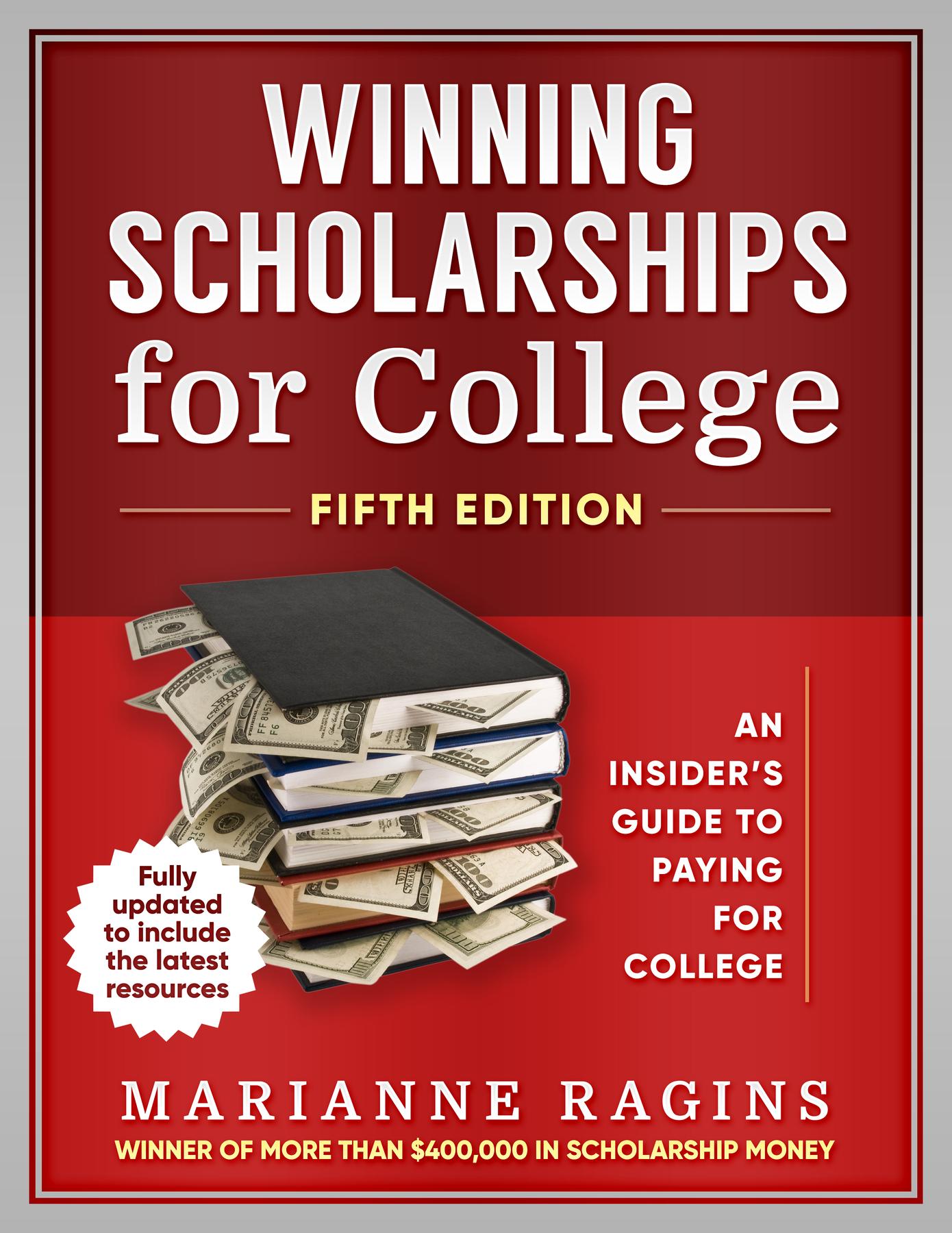
The Ultimate Guide to Winning College Scholarships
Okay, friends, let's have an honest conversation. You've probably seen the numbers — tuition climbing every single year, student loan debt crossing into the trillions, and that little voice in your head whispering, "How am I actually going to pay for this?" Here's the good news that nobody puts on a billboard: there is more scholarship money available than most people realize. Billions of dollars, every single year. And a shocking amount of it goes unclaimed, or gets handed to students who simply understood the game better than everyone else.
That's what this guide is about. Not luck. Not being a certified genius. Not having a family that hires a consultant for $5,000. We're talking about the game — the strategy, the mindset, the systems, and the small details that separate a student who wins $2,000 from a student who wins $80,000. Yes, that happens. Regularly.
So grab a notebook, pour something warm, and let's walk through this together. This is the deep dive I wish someone had handed me years ago.
Why Scholarships Matter More Than Ever
Let's start with the reality check. A four-year private college can now run north of $200,000. Even in-state public schools are creeping past $100,000 for four years when you factor in housing, food, books, and fees. Meanwhile, the average student borrower walks away with tens of thousands in debt before they've earned their first paycheck.
Scholarships change that math completely. But here's the part people miss: scholarships aren't just about money. They're about freedom. A student who graduates with minimal debt can take the internship that pays less but teaches more. They can move to a city with better opportunities. They can start a business, go to grad school, or simply sleep at night without a bill collector in their dreams. That's the real prize.
The Mindset Shift: Treat It Like a Job, Not a Lottery
Here's the single biggest mistake I see, friends: students treat scholarships like the lottery. They apply to two or three, cross their fingers, and feel crushed when nothing comes back. That's not how this works.
Scholarship hunting is a part-time job. And like any job, it rewards consistency, preparation, and systems over random bursts of motivation. The students who win big usually aren't the smartest in the room — they're the most organized. They apply to twenty, thirty, even fifty opportunities. They treat rejection as data, not as a verdict on their worth.
So before we get tactical, plant this in your brain: your goal isn't to win one scholarship. Your goal is to build a repeatable process that produces wins over time. Volume plus quality equals results.
Step 1: Build Your Scholarship Profile Before You Apply Anywhere
Most students start applying before they know what they're selling. That's backwards. Before you touch a single application, you need to map out who you are on paper.
Create Your "Brag Sheet"
Open a document and dump everything in. Every club, every job, every volunteer shift, every award, every weird hobby, every leadership moment, no matter how small. Include hours per week and dates. Include the summer you taught yourself guitar. Include the time you organized a food drive that collected 400 cans. Nothing is too minor at this stage — you're building a library, not a resume.
Why does this matter? Because when a scholarship asks for a 500-word essay about leadership, you don't want to be scrambling. You want to flip through your brag sheet and pick the story that fits best. Preparation kills panic.
Identify Your Three Core Stories
Almost every scholarship essay prompt circles back to a handful of themes: leadership, overcoming adversity, community impact, passion for a field, and future goals. Build three strong, polished stories around those themes and you'll have raw material for dozens of applications. You don't rewrite from scratch every time — you remix.
Step 2: Find the Right Scholarships (And Skip the Wrong Ones)
Let's talk about where the money actually hides. It's rarely on the big national search sites alone, though those are a fine starting point. The real gold is elsewhere.
Local scholarships are criminally underrated. Your Rotary Club, Elks Lodge, church, parent's employer, local credit union, town foundation, and community newspaper all likely offer money. The applicant pools are tiny — sometimes a dozen students. Your odds go from "lottery" to "genuinely competitive."
Employer and union scholarships exist for the children of employees, and many families never even check. Ask your parents to dig through their HR benefits portal. Seriously.
Identity and interest-based scholarships cover nearly everything — heritage, first-generation status, specific majors, hobbies like gaming or knitting, religious affiliations, even left-handedness (yes, that's real). If you have a trait, there's probably a scholarship for it.
Skip the scams. If a "scholarship" requires a fee to apply, asks for your Social Security number upfront, or promises guaranteed winnings, walk away. Legitimate scholarships never charge you to enter.
Step 3: The Essay Is Where You Win or Lose
Here's the truth nobody wants to hear: most scholarship essays are boring. They read like a résumé in paragraph form. "I am a hardworking student who demonstrates leadership and dedication." Cool. So is everyone else.
The Opening Line Test
Read your first sentence out loud. If it could belong to any other applicant's essay, delete it. Great essays open with specificity — a moment, a sound, a smell, a conflict. "The smell of burnt pancakes at 6 a.m. taught me more about leadership than any student council meeting ever did." See the difference?
Show, Don't Declare
Don't tell the committee you're resilient. Show them the Tuesday night you rewrote your entire research paper after your laptop died, sitting in a library until midnight with a borrowed charger. Evidence beats adjectives, every single time.
Answer the Actual Question
It sounds obvious, but a huge number of applicants paste a generic essay into every prompt. Committees notice instantly. If they ask about a failure, give them a real failure — one where you learned something specific. If they ask about community, don't talk about your personal achievements. Read the prompt twice. Underline the verbs.
Recycle Strategically, Not Lazily
You should absolutely reuse material. But customize the opening, the closing, and at least one paragraph to match the scholarship's values. If an organization cares about environmentalism, connect your story to environmentalism. Flattery works when it's genuine.
Step 4: Recommendations, Resumes, and the Boring Details That Kill Applications
Friends, this is where hearts get broken. Students write a brilliant essay and then lose because a recommender submitted late, or the transcript never arrived, or they forgot a signature. Don't be that person.
Ask for recommendation letters at least three weeks in advance. Give your recommender a one-page summary of your accomplishments and the specific scholarship's focus. A well-briefed recommender writes a far stronger letter than one who's guessing.
Build a tracker — a simple spreadsheet works — with columns for scholarship name, deadline, requirements, status, and login info. Set reminders a full week before every deadline. Submit early. Portals crash on deadline day. Every. Single. Year.
And proofread obsessively. Read your essay backward, sentence by sentence. Read it aloud. Have a teacher, parent, or brutally honest friend review it. One typo in a competitive pool can be the difference.
Step 5: Nail the Interview (Because Some Scholarships Require One)
If you make it to an interview, you're already in the top tier. Now it's about personality. Prepare answers for the classics: tell us about yourself, why do you deserve this, what are your goals, describe a challenge you overcame. Practice out loud — not in your head. Record yourself on your phone and watch it back. You'll catch filler words, fidgeting, and rambling you didn't know you had.
Then prepare two or three thoughtful questions for them. Asking about the organization's history or past winners shows genuine interest. Send a thank-you email within 24 hours. Small courtesies stand out more than you'd think.
Step 6: Build a System So You Don't Burn Out
Let's be real — applying can be exhausting. So protect your energy. Block two hours every Sunday for scholarship work. Batch similar tasks together: write all essays one week, gather documents the next. Celebrate small wins, even just submitting an application. Momentum is everything.
And remember: rejection is not personal. Committees are matching criteria, not judging your soul. Move on to the next one and keep stacking applications.
Key Takeaways: Bookmark This List
- Treat scholarship hunting like a part-time job, not a lottery ticket.
- Build a brag sheet first, then write essays from it.
- Develop three core stories you can remix for any prompt.
- Hunt local, employer, and niche scholarships — the competition is smaller.
- Never pay a fee to apply. That's a scam, full stop.
- Open essays with a specific moment, not a generic declaration.
- Show resilience through evidence, not adjectives.
- Customize at least one paragraph per scholarship's mission.
- Ask for recommendation letters three weeks early and brief your recommender.
- Track every deadline in a spreadsheet and submit a week ahead.
- Practice interviews out loud and send thank-you notes.
- Apply widely. Volume plus quality equals wins.
Questions and Answers
How many scholarships should I actually apply for?
Set a realistic target: aim for at least fifteen to twenty solid applications over a year, with a mix of big national ones and smaller local ones. Quality still matters, but volume dramatically increases your odds. Students who apply to thirty or more often walk away with multiple wins, even if each individual award is modest. Stack them up and the total can cover a serious chunk of tuition.
What if my grades aren't amazing?
Good news: thousands of scholarships don't care about GPA at all. They reward community service, essays, specific talents, heritage, first-generation status, or financial need. Focus your energy on those. A 3.2 GPA student with a compelling story and relentless application habits will out-earn a
4.0 student who applies to three scholarships and gives up. Effort beats pedigree in this arena more often than people admit.
Do I need to be a senior to start?
Absolutely not, and starting earlier is a massive advantage. Freshmen, sophomores, and juniors can win scholarships too — and many awards are open to any current student. Even if you don't win, you'll build essay material, references, and confidence years before your peers start panicking. Start now, thank yourself later.
How do I handle rejection without losing motivation?
Reframe it. Every rejection is either a mismatch or a lesson. If you can, ask for feedback. Read the winning essays when organizations publish them. Then immediately apply to the next one — momentum heals disappointment faster than moping does. Remember, the students who win the most are usually the students who got rejected the most. Volume wins.
Conclusion
So here's where we land, friends. Winning scholarships isn't about being the smartest or the luckiest. It's about being prepared, persistent, and a little bit strategic. Build your brag sheet. Write stories that show instead of tell. Hunt for the local and weird opportunities nobody else bothers with. Track every deadline. Apply broadly, and treat rejection like homework rather than heartbreak.
You don't have to be perfect. You just have to be in the game, consistently, for longer than most people are willing to stay. That's the whole secret — and now you know it.
Go get that money. We're rooting for you.

Post a Comment for "The Ultimate Guide to Winning College Scholarships"
Post a Comment